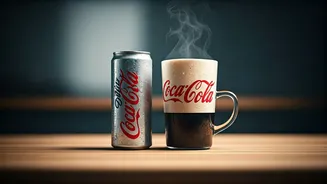









The Comfort Beverage Phenomenon
Across digital platforms, a notable trend showcases young individuals discussing their 'emotional support' drinks. These aren't just casual refreshments;
they represent a deeper need for solace, a structured routine, and a personal strategy for managing the constant pressures of contemporary existence. For Generation Z, these carefully chosen beverages have evolved into integral components of their personal identity and a tangible coping mechanism. This phenomenon, amplified by social media spaces like TikTok, reflects a generation that is more vocal about mental well-being and actively seeks practical methods for alleviating stress and anxiety. The very act of ordering, preparing, or savoring these drinks can transform into a mindful practice, offering a precious moment of tranquility amidst a demanding world. Experts observe that this trend is a significant indicator of broader societal shifts, including heightened awareness around mental health and the profound influence of the digital age on social connections. These drinks serve as a grounding element, a small, gratifying indulgence that provides a semblance of control and a reliable source of pleasure.
Beverages as Emotional Anchors
These comfort drinks extend beyond mere caffeine boosts; they function as symbolic anchors in a world that often feels unpredictable. The elaborate preparation and visually appealing presentation of drinks like iced coffees, often adorned with various syrups and toppings, contribute significantly to their appeal. This aesthetic quality transforms them into easily shareable content online, further cementing their status as cultural touchstones for this generation. While some might dismiss this as a superficial fad, it fundamentally underscores a generation's profound need for self-care and effective emotional regulation. The 'emotional support' drink is a modern adaptation of age-old comfort-seeking behaviors, seamlessly integrated into today's digitally interconnected and consumer-driven landscape. Whether it's a steaming cup of coffee, a vibrant matcha latte, a chewy boba, or even a fizzy soft drink, the consistent choice of a particular beverage offers a sense of stability and predictability when emotions may feel turbulent and uncontrollable, providing a reliable and personal ritual.
Personal Rituals and Daily Rhythms
For many, these beverages are more than just a routine; they are essential components of their daily rhythm and personal identity. Joshua Thakur, an advertising executive, describes his mornings as incomplete without a meticulously prepared pour-over coffee, starting his day at 5 am. He views these drinks as crucial 'emotional support,' helping him maintain focus and productivity. They act as 'little indicators or rewards' after task completion. Similarly, Shivasree Venkateswaran finds her day beginning with a freshly brewed filter coffee, a ritual deeply embedded in her family's tradition. Over time, this daily cup transformed into a vital source of emotional stability, particularly when facing work-related stress or the need for intense concentration. The act of holding and slowly sipping her coffee allows her to transition into a focused work mode, highlighting how a simple beverage can facilitate a mental shift and provide a sense of command over challenging situations, becoming a personal mechanism for self-soothing and task initiation.
The Psychology of Comfort Drinks
From a psychological standpoint, the concept of an 'emotional support' drink transcends the beverage itself, representing what it signifies emotionally. Clinical psychologist Dr. Rimpa Sarkar explains that humans are inherently wired to seek comfort, predictability, and small rituals when experiencing stress or feeling overwhelmed. An 'emotional support' drink serves as a symbolic tool for coping, offering something familiar, readily available, and immediately reassuring. Aaditya Sharma, a PR professional, finds solace in Appy Fizz, a drink that offers a distinct flavor profile and lacks caffeine. For him, its significance lies in its reliability; it's a constant he can depend on when other aspects of life feel uncertain. This beverage provides a consistent taste and comfort, serving as a personal anchor that doesn't require profound meaning but offers dependable familiarity. He deliberately avoids alcohol as a stress-relief mechanism, recognizing the potential for habit formation and choosing a cleaner, more reliable option for emotional regulation.
Gen Z's Sober-Curious Shift
Sharma's preference for non-alcoholic comfort aligns with a broader trend observed among Gen Z: a significant embrace of the sober-curious movement. Contrary to past generations who normalized social drinking and partying, Gen Z is prioritizing personal well-being, actively dismantling the conflation of 'drinking equals fun.' This shift is supported by data, with a 2024 UK study indicating that individuals aged 20-24 are considerably less likely to spend on alcoholic beverages compared to previous generations. Publications have labeled Gen Z as 'the soberest generation,' with statistics from 2023 showing a low percentage of young Americans regularly consuming alcohol. Consequently, an 'emotional support' drink, often non-alcoholic, provides a healthier alternative for individuals seeking to cope with life's difficulties. This trend also reflects a desire for accessible, non-overwhelming methods of emotional self-regulation, with some individuals also finding pleasure in the aesthetic presentation of these drinks, associating them with personal style and self-expression.
Deeper Motivations for Comfort
Dr. Sarkar further elaborates on the underlying reasons driving this trend. In high-stress environments, individuals often engage in 'micro-coping'— employing small, repeatable habits to manage constant low-level stress, with a beverage serving as a quick emotional reset. The ritualistic aspect, such as consuming the same drink at a specific time, establishes structure and predictability, which can be calming for the nervous system and reduce anxiety by signaling familiarity. Sensory engagement, through the warmth of a cup, the taste of a flavor, or the act of slowing down, provides a grounding effect and promotes present-moment awareness. Furthermore, these drinks can become entwined with personal identity, allowing individuals to acknowledge their stress while normalizing self-soothing behaviors in socially acceptable ways. Social media plays a crucial role in amplifying this trend, transforming everyday coping habits into relatable content and fostering a shared understanding of stress and comfort, though it's vital to recognize these as surface-level coping mechanisms offering temporary relief rather than addressing deeper emotional concerns.