




The Watermelon Hub
Solapur, nestled in the southwestern part of Maharashtra, has cemented its reputation as the undisputed Watermelon Capital of India. This distinction arises
from its substantial cultivation, which peaks from the cooler months of late winter right through the scorching summer. The visual evidence is striking: vast expanses of farmland dedicated to watermelons line the highways, and local markets overflow with an abundant supply as temperatures climb. This consistent, large-scale production ensures that Solapur is a critical supplier, distributing its watermelons to wholesale markets not only within Maharashtra but also to neighbouring states. This vital role in meeting the nation's demand for this quintessential summer fruit has earned the city its informal, yet highly recognized, title.
Ideal Conditions Cultivate Success
The region surrounding Solapur possesses a unique set of environmental and agricultural advantages that make it exceptionally conducive to prolific watermelon cultivation. The climate is characterized by intensely hot summers, blessed with prolonged periods of direct sunlight, which is crucial for the even ripening and development of the fruit's sugars. Furthermore, the soil composition is predominantly well-drained, effectively mitigating the risk of waterlogging that can be detrimental to watermelon crops. Crucial to sustaining this large-scale farming is the availability of irrigation, supported by the Bhima river system and the significant Ujjani Dam. Coupled with farming methodologies that have been honed and passed down through generations, these elements collectively empower Solapur's farmers to produce watermelons renowned for their exceptional juiciness, inherent sweetness, and high water content—attributes highly sought after by consumers seeking respite from the summer heat.
Signature Varieties Thrive
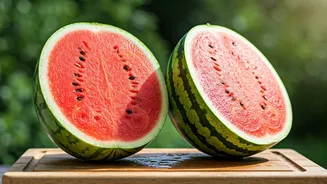
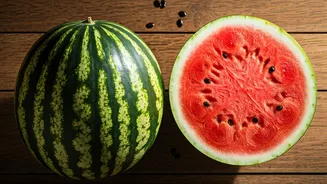
Solapur's fields are home to a diverse array of watermelon varieties, each contributing to the city's reputation for quality produce. Among the most favored is 'Kiran', a variety celebrated in Maharashtra for its vibrant pink to red flesh, a satisfyingly slight grainy texture, and its notable sweetness. Another prominent hybrid extensively cultivated is 'Sugar King', which consistently delivers high yields and produces medium to large fruits filled with juicy red flesh. For those seeking something different, the 'Yellow Watermelon' offers a less common, premium option, distinguished by its yellow or orange interior and a subtly tropical flavor profile. Convenience seekers appreciate the readily available 'Seedless Watermelon', which eliminates the hassle of seeds. More recently, the 'Force 9' hybrid has gained traction, noted for its enhanced productivity and superior fruit quality, demonstrating Solapur's continuous adaptation and embrace of improved cultivars alongside traditional choices like Arka Manik, Arka Jyoti, Asahi Yamato, and Pusa Bedana when season permits.
A Daily Summer Delight
In Solapur, the watermelon transcends its status as a mere fruit; it is an integral part of the daily summer diet, consumed universally across all income groups and throughout the day. Families typically purchase whole watermelons, preparing them fresh at home and storing chilled slices for continuous refreshment. On the streets, vendors offer pre-cut, chilled wedges and slices, providing immediate relief from the oppressive heat for passersby. Local markets buzz with activity as shoppers meticulously examine fruits for sweetness, color, and size before making their purchase, with morning hours being the busiest. The primary appeal of watermelon in Solapur lies in its profound hydrating and cooling properties, making it an indispensable and universally enjoyed food item for people of all ages during the hottest months.
Bustling Markets and Trade
The season of peak watermelon harvesting in Solapur transforms its local markets, known as mandis, into dynamic hubs of activity that commence at the crack of dawn. Farmers arrive early with their freshly picked produce, engaging in swift negotiations with traders to finalize sales before the day's heat intensifies. From these bustling mandis, the watermelons embark on their journey to neighbourhood markets and the ubiquitous street-side stalls. For observers interested in the intricacies of food distribution, these markets vividly illustrate the rapid transit of perishable, seasonal goods from the farm to the consumer's plate. The market dynamics are characterized by the paramount importance of freshness, daily fluctuations in pricing, and a strong correlation between consumption patterns and prevailing weather conditions, underscoring watermelon's status as one of the most weather-dependent foods of the summer season.