





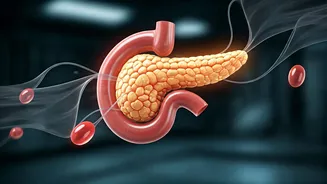

Ozempic Explained
Ozempic, medically known as semaglutide, is a prescription medication primarily used to manage type 2 diabetes. Its mechanism involves mimicking a hormone
that regulates blood sugar and appetite. By slowing down the digestive process and increasing feelings of fullness, Ozempic can lead to significant and often rapid weight loss. While this effect has made it popular for weight management beyond its initial therapeutic use, the body's drastic reaction to such swift changes can manifest in various ways, including concerns about hair health. It is crucial to understand that Ozempic itself does not directly harm hair follicles; rather, the rapid weight loss it facilitates is the key factor influencing hair shedding.
The Weight Loss Connection
Rapid weight loss, often a consequence of using medications like Ozempic, can induce a significant physical stressor on the body. When weight is shed quickly, the body may enter a state of perceived crisis, prioritizing vital organ functions over non-essential processes like hair growth. This physiological response can push a larger proportion of hair follicles from the active growth phase into a resting phase, and subsequently, the shedding phase, all at once. This phenomenon is a common reaction to drastic physiological changes, including those brought on by accelerated weight reduction, impacting hair density and volume.
Understanding Telogen Effluvium
The type of hair loss frequently associated with rapid weight loss, including that induced by Ozempic, is known as Telogen Effluvium. This condition occurs when severe stress, such as rapid weight loss or nutritional deficiencies, triggers a widespread shedding of hair. Normally, most hair is in the growth phase, but significant physical or emotional stress can prematurely shift many hairs into the resting (telogen) phase, leading to increased shedding a few months later. It's a temporary response, and once the underlying stressor is removed or the body adapts, hair growth typically resumes, although recovery can take several months.
Spotting the Signs
Recognizing the signs of Ozempic-related hair fall is crucial for addressing it promptly. Common indicators include noticing significantly more hair strands than usual, particularly when washing or brushing. This increased shedding often becomes apparent a few months after initiating Ozempic, coinciding with the typical onset of Telogen Effluvium following a major stressor. Other signs include a noticeable thinning of the ponytail, a general reduction in hair volume, or an increased visibility of the scalp. The timing is key; this type of hair loss is usually a delayed reaction to the rapid weight loss, not an immediate side effect of the medication itself.
Mitigating Hair Fall
While direct prevention is challenging, several strategies can help mitigate Ozempic-related hair fall and support hair health. Ensuring adequate nutritional intake is paramount; prioritize sufficient protein, as hair is primarily keratin. Consuming a balanced diet rich in essential nutrients like iron, zinc, biotin, and vitamin D is vital, as deficiencies can exacerbate hair shedding. Avoid crash dieting and ensure you're eating enough, even with suppressed appetite. Additionally, be gentle with your hair by minimizing heat styling, chemical treatments, and tight hairstyles that can put stress on vulnerable follicles. If shedding is severe, consulting a healthcare professional for personalized advice and potential supplementation is recommended.
When to Consult a Doctor
It is imperative not to alter or discontinue Ozempic without first consulting your prescribing physician. For individuals experiencing significant hair loss, a medical evaluation is highly recommended. A doctor can help determine if the hair fall is indeed linked to the rapid weight loss induced by Ozempic or if other underlying factors are contributing. They may suggest nutritional support, topical treatments, or other interventions tailored to your specific situation. Understanding that this hair loss is typically temporary and a sign of your body adjusting can alleviate anxiety, but professional guidance ensures you manage it safely and effectively while continuing your prescribed treatment.