






Mesopotamian Beginnings
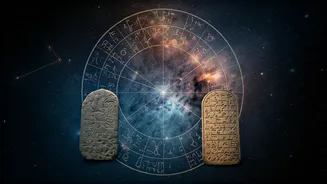
The genesis of horoscope interpretation can be traced back to the arid lands of ancient Mesopotamia, around the second millennium BCE. Here, the astute
Babylonian priests meticulously observed the movements of celestial bodies. Their primary focus was on discerning omens and portents, not for individual guidance, but rather for the fate of kings and the prosperity of nations. These early astronomical observations were deeply intertwined with a desire to understand and influence the divine will, setting the stage for a practice that would span across epochs and continents. The Babylonians' systematic tracking of the stars marked a pivotal moment in humanity's enduring fascination with the cosmos and its perceived influence on earthly affairs.
The Zodiac's Dawn
A monumental contribution from Babylonian astronomers was the conceptual division of the celestial sphere into twelve distinct segments. This ingenious partitioning was based on the apparent path of the sun through the sky over the course of a year, aligning with various constellations. This fundamental framework established the very foundation for the zodiac signs that are universally recognized today. Each of these twelve divisions was assigned specific characteristics and meanings, initiating a complex system of celestial symbolism that would profoundly shape astrological thought for millennia to come. This systematic approach laid the groundwork for a sophisticated understanding of cosmic influences on terrestrial events.
Indian Astrological Wisdom
In ancient India, astrology, known as Jyotisha, underwent a profound and unique development. It evolved beyond mere astronomical observation to become a deeply integrated spiritual philosophy. Jyotisha intricately wove together the science of planetary movements with spiritual insights, making it an indispensable element in daily life. It played a crucial role in the creation of calendars, the planning of significant rituals and ceremonies, and in guiding pivotal life decisions, from marriages to business ventures. This holistic approach positioned astrology not just as a predictive tool, but as a guiding principle for living a harmonious and spiritually aligned life.
Greek Personalization
The influence of ancient Greek thinkers significantly transformed the landscape of astrology. They introduced the groundbreaking concept of linking celestial configurations to the destinies of individuals. This pivotal shift led to the development of personalized birth charts, also known as natal charts. These charts were meticulously calculated based on the precise time and location of an individual's birth, aiming to reveal their unique personality traits, potential challenges, and life path. The Greek integration of astrology into the personal realm solidified the idea that the stars hold a profound, individualized influence on human lives and destinies.
Medieval Flourishing
During the Middle Ages and the subsequent Renaissance, astrology experienced a period of considerable prominence and widespread acceptance across Europe. It was not confined to obscure practices but was actively embraced within royal courts and academic institutions. Astrologers served as trusted advisors, their insights sought after for a myriad of crucial decisions. Their influence extended to guiding medical treatments, shaping political strategies, and even informing agricultural planning. This era underscores astrology's role as an integral part of the intellectual and practical fabric of society, impacting governance, health, and sustenance.
Modern Accessibility
The dawn of the 20th century witnessed a remarkable democratization of horoscopes. The complex systems of ancient astrology were thoughtfully simplified and adapted for mass consumption. This transformation saw horoscopes making their debut in newspapers and popular magazines, reaching an unprecedented audience. By offering concise, daily forecasts, they became an accessible and engaging form of celestial guidance for the general public. This evolution moved horoscopes from the exclusive domain of scholars and royalty to a commonplace feature in everyday life, continuing their enduring appeal in a new era.