



Nature's Essence Captured
The creation of Indian Ittar is a profound testament to the art of distillation, a practice deeply rooted in tradition and passed down through generations.
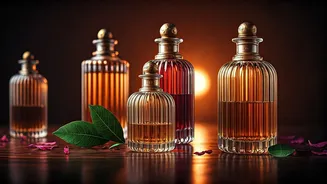
This process involves meticulously extracting fragrant compounds from a vast array of natural sources, including flowers, herbs, spices, and even woods. Imagine the delicate petals of roses, the earthy aroma of sandalwood, or the zesty notes of vetiver being carefully gathered. These raw materials are then subjected to a complex, time-honored technique that typically involves hydro-distillation or steam distillation. In essence, the natural material is heated, and the resulting vapor, laden with aromatic molecules, is cooled and condensed into a liquid. This concentrated liquid is the precious Ittar. The entire endeavor requires immense patience and expertise, as each step, from the selection of the purest ingredients to the precise control of temperature and time, directly influences the final fragrance profile. It's a slow, deliberate transformation from the ephemeral beauty of nature into a tangible, enduring scent that can evoke memories and emotions.
The Distillation Alchemy
At the core of Ittar production lies a fascinating alchemical process of distillation, often carried out in specialized copper vessels. Freshly harvested botanical materials, such as jasmine blossoms, mogra flowers, or even certain tree barks, are placed in the distillation apparatus. These are typically heated gently, often using a water bath or a slow, steady flame. As the heat increases, the volatile aromatic oils within the plant matter begin to evaporate, mingling with the steam. This fragrant vapor then travels through a condenser, where it is cooled and liquifies. This liquid is then collected, and in a crucial step for pure Ittar, it is often further processed by distilling it into a carrier oil, most commonly pure sandalwood oil. This sandalwood oil acts as a fixative, enhancing the longevity and depth of the scent while complementing its natural character. The entire procedure can take many hours, sometimes even days, to achieve the desired concentration and purity, resulting in a potent, luxurious perfume oil that is far more concentrated than modern synthetic fragrances.
A Symphony of Scents
The olfactory palette of Indian Ittar is incredibly diverse, offering a wide spectrum of aromas that cater to every preference. The foundation of many traditional Ittars is often a precious woody note, with sandalwood oil being a revered classic due to its creamy, balsamic, and long-lasting qualities. Floral Ittars are exceptionally popular, capturing the intoxicating essence of flowers like rose, jasmine, tuberose (rajnigandha), and kewda. These floral distillates are incredibly potent, allowing a single drop to fill a room with its blooming fragrance. Beyond these, you'll find spicy Ittars, redolent with notes of cardamom, saffron, or even cloves, adding a warm and exotic dimension. Herbal and earthy Ittars, derived from ingredients like vetiver or patchouli, offer a grounding and sophisticated aroma. The magic lies in the masterful blending and layering of these individual essences, creating complex perfumes that evolve on the skin. The sheer variety ensures that there's an Ittar for every mood and occasion, each telling a unique aromatic story.