






Identifying the Invaders
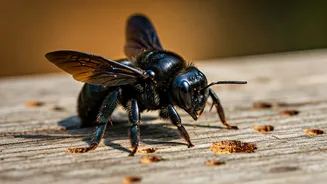
Spotting carpenter bees can be the first step to protecting your home. These large bees, often mistaken for bumblebees, have a distinct appearance. Look
closely at their heads and abdomens: carpenter bees sport shiny black heads and smooth, dark abdomens, often with a purplish or green sheen. Bumblebees, in contrast, typically have hairy bodies and yellow markings. Female carpenter bees are the architects of destruction, responsible for excavating perfectly round holes, usually about half an inch in diameter, into untreated wood. These holes serve as nurseries for their eggs. While females do the drilling, males are often seen patrolling the entrance, acting as vigilant guards. It's worth noting that these bees are generally not aggressive and tend to leave humans alone if not provoked. However, their persistent tunneling can lead to significant structural damage over time if left unaddressed. Repeated nesting in the same wooden areas can weaken the wood, making it susceptible to moisture and rot, which further compromises the integrity of your decks, eaves, and window frames.
Four Ways to Expel Bees
Dealing with an active carpenter bee infestation often begins with noticing a tell-tale sign: a small pile of sawdust beneath a wooden surface. Once identified, several DIY strategies can help you reclaim your property. A highly effective method involves using commercial insecticides specifically formulated for bees and wasps. The optimal time for application is after dusk, when the bees are nestled within their tunnels. Directing the insecticide spray or dust precisely into the entrance hole ensures maximum contact. Another approach is to address the holes directly. While simply plugging a hole might seem like a quick fix, if the bee isn't eliminated first, it can simply bore a new exit. It's best to wait at least 24 hours after applying an insecticide before sealing the entrance with a durable caulking compound or wood putty. This not only traps any remaining bees but also helps prevent moisture from entering the wood, mitigating further decay. For those seeking less chemical-intensive solutions, carpenter bee traps offer a viable option. These traps typically consist of a wooden box with angled holes leading to an attached glass jar. When hung near active sites, the bees are drawn into the holes and then fall into the jar, unable to escape. Essential oils like citrus, peppermint, and eucalyptus are also known for their repellent properties. Mixing a few drops with water in a spray bottle and applying it to wooden structures can deter the bees, though this method primarily repels rather than eliminates them. Finally, for established nests that are a recurring problem, replacing the damaged wood entirely is a long-term solution, especially if you opt for treated wood or other less attractive materials for future constructions.
Proactive Prevention Strategies
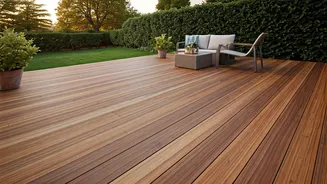
Preventing carpenter bee infestations is significantly more effective than dealing with an established problem. A key preventative measure is the judicious use of building materials. Opting for pressure-treated wood for any outdoor construction, such as decks, fences, or sheds, makes the material far less appealing to these wood-boring insects. Furthermore, meticulous sealing of all seams and gaps in existing wooden structures with quality caulking or wood putty can eliminate potential entry points before they are discovered. Painting or staining exposed wood surfaces also plays a crucial role. Oil or polyurethane-based paints offer a substantial barrier. It's important to note that standard wood stains alone are not typically effective at repelling carpenter bees. For added protection, consider incorporating an insecticide additive into your paint or stain. If wooden structures are a constant battle, exploring alternative building materials like composite, vinyl, or aluminum can provide a completely bee-proof solution. Additionally, be mindful of where you store firewood; keeping it away from untreated wooden parts of your home minimizes attractants. Finally, to protect interior wood during the early spring when carpenter bees are most active in seeking nesting sites, ensure that windows and doors are properly screened or kept closed.
When to Seek Professional Help
While many carpenter bee issues can be managed with common household remedies and preventative measures, there are certain situations where calling in pest control professionals is the wisest course of action. If you observe a significant number of active nests—typically more than a dozen holes indicating a widespread infestation—it might be beyond the scope of typical DIY treatments. Furthermore, if the carpenter bee activity is located in difficult-to-reach or potentially hazardous areas, such as high on your roofline or over a steep incline, professional pest control services offer the necessary expertise and equipment to handle the problem safely and effectively. They can employ specialized tools and stronger, targeted treatments that may not be readily available to the general public. Attempting to manage large or complex infestations yourself could prove less effective, more time-consuming, and potentially dangerous, making professional intervention the most sensible and efficient solution to ensure complete eradication and prevent recurring issues.