


Prime Planting Window
The ideal moment to introduce bare root roses to your garden is during springtime, often before the official vernal equinox on March 20th. The critical
factor is ensuring the soil temperature has reached at least 40°F, a threshold necessary for root development, while the plants themselves are still in a dormant state. This timing maximizes their potential for a robust start. For instance, gardeners in USDA Hardiness Zones 9 and above can typically plant from late January through mid-February. Moving north, Zone 8 residents should aim for mid- to late February, Zone 7 for early to mid-March, and Zone 6 for mid- to late March. Further north, Zone 5 gardeners should plant in early to mid-April, Zone 4 in mid-April to early May, and those in Zone 3 can plant in mid-May. It's crucial to remain adaptable; unpredictable weather patterns may necessitate delaying planting if winter conditions persist. Furthermore, be aware of your specific microclimate, as it might differ from the general zone guidelines. A hilltop location, for example, might require waiting an additional week or two if it experiences harsh winds.
Planting Bare Roots
Before planting, meticulously examine the roots, trimming away any damaged, cracked, or diseased portions, as well as those showing signs of insect infestation. Following this inspection, submerge the roots in water for approximately 12 hours to thoroughly rehydrate them. Select a planting site that receives a minimum of 6 to 8 hours of direct sunlight daily, with a preference for morning sun exposure. Ensure the soil offers excellent drainage and maintains a pH level between 6.2 and 6.8; a soil test can confirm this. If your soil lacks natural richness and looseness, incorporate organic matter throughout the entire planting area, not just the immediate hole, to prevent water from pooling around the roots. Dig a hole that is 18 to 24 inches wide and 15 to 18 inches deep. Mix a small amount of bone meal or 1 to 2 tablespoons of superphosphate into the soil you've removed. Create a cone-shaped mound of this amended soil in the center of the hole. For grafted roses, the graft union should be positioned 2 to 4 inches below the soil surface in Zones 3–6, or at soil level in Zones 7 to 11. Non-grafted roses should be planted with their crown about 2 inches beneath the soil surface. Carefully position the rose over the soil cone, fanning the roots outwards. Gradually refill the hole with the amended soil, pressing it down firmly as you go to eliminate any air pockets. Finally, water the newly planted rose thoroughly and immediately to help settle the soil, and then apply 1 to 2 inches of organic mulch around the base, ensuring it does not touch the plant's stem.
Post-Planting Care
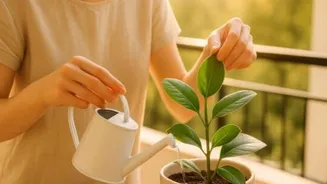
To foster successful establishment, maintain consistent soil moisture without causing waterlogging. For the initial 2 to 3 weeks, check the moisture levels daily, watering deeply and slowly as required. Continue this regular watering regimen throughout the summer and fall until the ground freezes. Once the rose plant has fully developed its foliage, administer a granular fertilizer, ideally one formulated for roses, adhering to the product's instructions. Reapply the fertilizer after each subsequent bloom cycle, or approximately every 4 to 6 weeks during the active growing season. Vigilance is key; monitor your roses for common pests, diseases, and other potential issues that might arise.
Troubleshooting Transplants
Observing your newly planted bare root roses closely will help identify any struggles. If growth appears slow despite being in a suitable location, it often means the plant requires more time to emerge from dormancy; ensure the soil remains consistently moist. Conversely, poor growth might signal an early planting in soil that is still too cold; in such cases, mulching can help insulate the roots. If you notice dieback, it could indicate root damage that occurred before planting, possibly during the harvesting process at the nursery. While such plants may recover with attentive care, it may be more practical to consider them lost and replace them. A more serious concern is the presence of distorted, stunted, or narrow reddish shoots in clusters, which is indicative of rose rosette disease. This incurable and highly contagious viral disease can spread to other plants, so immediate removal and disposal of the affected plant in the trash is imperative.