





Cooking Oils Unveiled
Your cooking oils, essential for everyday meals, are surprisingly sensitive to the summer sun and warmth. Prolonged exposure to heat and light can accelerate
the process of rancidity, which not only compromises the oils' delicate flavour profile, transforming them into something unpalatable, but can also introduce unhealthy compounds into your diet. To preserve their quality and ensure they remain a healthy addition to your cooking, it's crucial to store them in a cool, dark sanctuary, far from the heat generated by your stove or direct sunlight. This simple practice will extend their shelf life and maintain their intended taste and nutritional benefits, making your culinary creations much more enjoyable and safe.
Spice Up Storage
Those aromatic spices that elevate your dishes are vulnerable to the summer's high temperatures and moisture. Heat and humidity are the primary culprits behind the degradation of spices, causing them to lose their vibrant flavours and potent aromas over time. To ensure your spice rack remains a source of culinary magic rather than a collection of bland powders, it's best to keep them well away from any heat-generating appliances or direct sunlight. A consistently cool, dry environment is their ideal home, preserving their zest and ensuring they continue to impart their full flavour to your cooking, making every meal a sensory delight.
Potato's Cool Haven
Potatoes, a versatile kitchen staple, have a particular dislike for warm environments, especially during the sweltering summer months. Elevated kitchen temperatures can inadvertently encourage potatoes to sprout prematurely, a sign that they are beginning to degrade. Furthermore, warmth can hasten spoilage, potentially making them unsafe for consumption. For optimal storage and to prevent them from going bad too quickly, it's advisable to keep them in a cool, well-ventilated spot. If your kitchen tends to be a heat trap, consider finding a slightly cooler location outside of it, such as a pantry or a basement, to prolong their freshness and utility.
Onions' Dry Retreat
Onions, a fundamental ingredient in countless recipes, can quickly turn from firm to rotten when subjected to heat and excessive moisture. The combination of warmth and dampness creates a breeding ground for rot, significantly shortening their usable life. To maintain their quality and prevent premature decay, onions fare much better in a space that is both dry and airy. Storing them in a neglected, hot corner of your kitchen is the opposite of what they need; instead, seek out a location with good air circulation and a consistent, cooler temperature to keep them fresh for longer.
Chocolate's Chill Pact
Indulgent chocolate, a beloved treat, is notoriously susceptible to melting and losing its appealing texture when the mercury rises. High temperatures can cause its smooth, rich consistency to degrade into an unappetizing mess. During periods of intense heat or summer heatwaves, the best strategy to preserve its quality and enjoyment is to place it in the refrigerator. This cool environment will prevent it from melting and help maintain its desired snap and flavour, ensuring that your sweet cravings can be satisfied without the disappointment of a melted bar.
Bread's Mold Watch
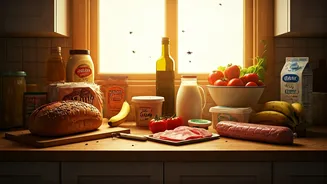
The delightful texture of bread can be quickly undermined by the summer's combined assault of heat and humidity, which unfortunately accelerate the growth of mold. This can render your bread unappetizing and potentially unsafe before you've had a chance to enjoy it. To combat this common problem and reduce waste, consider storing your bread in the refrigerator, especially during warmer months. Alternatively, purchasing smaller loaves more frequently can ensure that you consume it before mold has a chance to develop, providing a fresher eating experience.
Fruit's Ripening Race
Certain fruits, like bananas and apples, are prone to ripening at an accelerated pace when exposed to higher temperatures, a common occurrence in summer. This rapid maturation can quickly lead to overripeness and subsequent spoilage, resulting in wasted produce. To mitigate this, it's beneficial to keep these fruits in a cooler environment. Whether it's a designated cooler spot in your home or the refrigerator for those truly hot days, controlling their temperature will help slow down the ripening process, allowing you to enjoy them at their best for a longer duration.
Dairy's Swift Chill
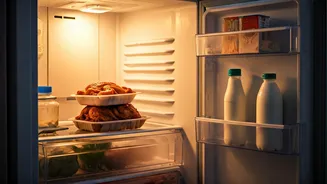
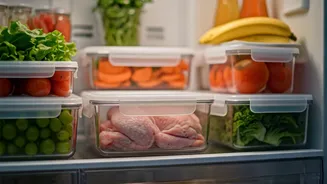
Dairy products, including milk, butter, and cheese, are highly perishable and can spoil with alarming speed if not kept consistently cold. Even brief periods of being left out at room temperature, particularly during the summer's elevated warmth, can compromise their safety and introduce spoilage. It is therefore paramount to ensure that these items are returned to refrigeration immediately after use. Consistent chilling is the most effective way to prevent bacterial growth and maintain the freshness and safety of your dairy essentials.
Nuts & Dry Fruits' Guard
The natural oils present in nuts and dried fruits make them susceptible to going rancid when exposed to excessive heat, a scenario that is common during hot summer weather. Rancidity not only degrades their flavour, making them taste stale and unpleasant, but can also affect their nutritional quality. To safeguard these nutritious snacks from such degradation, it is advisable to store them in the refrigerator during the warmer months. This cool environment will help preserve their freshness and prevent the oils from breaking down prematurely.
Grains & Flour's Sanctuary
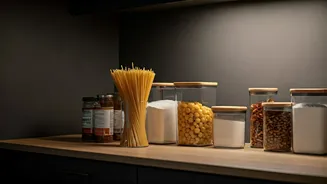
Dry grains and flour, when stored improperly in warm and humid conditions, can become targets for pests and are prone to spoilage. The combination of heat and moisture creates an inviting environment for insects and can lead to the development of mold or other forms of decay, rendering them unfit for consumption. To ensure the longevity and safety of these pantry staples, it is essential to store them in airtight containers. Furthermore, placing these sealed containers in a cool, dry location away from heat sources will provide the best protection against spoilage and pest infestation.