






Understanding Seat Divorce
Air travel often presents a multitude of challenges, from managing logistics and dealing with jet lag to simply navigating the inherent discomforts of being
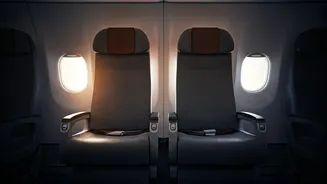
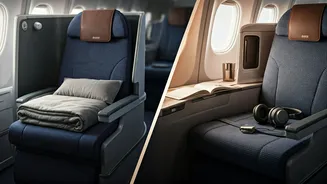
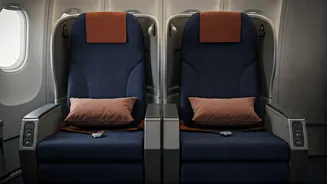
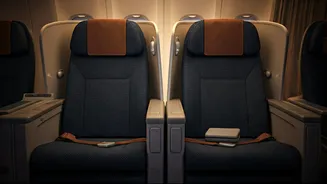
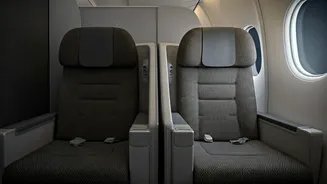
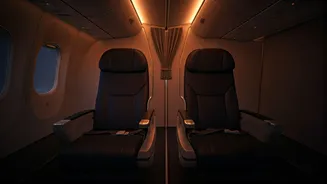
in a confined space for extended periods. For many couples, the idea of being physically close throughout a flight can become an added layer of stress, especially after a taxing day. The concept of 'seat divorce' emerges from this reality, offering a novel solution where partners deliberately choose to sit apart. This isn't a reflection of marital discord; rather, it's a conscious decision to prioritize individual comfort and personal space, allowing each person the freedom to rest, engage in their own activities like reading or watching a movie, or simply enjoy quiet contemplation without feeling obligated to interact. By embracing this physical separation, couples aim to preserve their energy and emotional connection, making the journey less taxing and the time spent together upon arrival more meaningful and enjoyable.
The Rise of Separate Seating
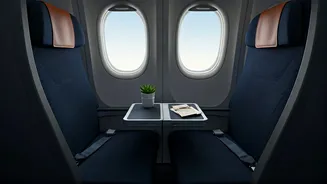
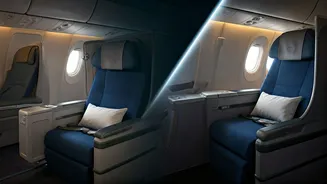
The notion of couples sitting apart on an airplane might seem counterintuitive in a society that often equates physical closeness with a strong relationship. However, 'seat divorce' is gaining traction as a practical and even surprisingly romantic choice for many. Instead of the often-forced dynamic of rearranging seats or enduring uncomfortable middle seats to appear 'together,' this approach redefines intimacy. It allows individuals to secure their preferred seating, whether it's a window seat for the view or an aisle seat for easy access, thereby avoiding the physical discomfort of being sandwiched. This is particularly beneficial for passengers who require more space or find middle seats genuinely problematic. Much like the well-established 'sleep divorce,' where partners sleep in separate rooms for better rest, the physical separation on a plane is reported to significantly enhance the quality of their interactions and shared experiences once they disembark, leading to a more harmonious overall trip.
Benefits for Relationships
Therapists are increasingly recognizing the psychological benefits of 'seat divorce,' aligning with the anecdotal evidence from couples who practice it. Our cultural conditioning often leads strangers to assume that couples 'should' sit together, prompting offers to switch seats, which highlights a societal discomfort with intimacy that isn't overtly demonstrated. However, the reality is that constant proximity can sometimes dilute connection. When sitting side-by-side for hours, couples might passively consume media or engage in superficial interactions, becoming background noise to each other rather than truly present. In contrast, couples who choose 'seat divorce' often report a more intentional reconnection. They might actively share movie recommendations, enjoy snacks together, or engage in brief, meaningful check-ins. These deliberate moments of engagement are often more cherished and impactful than prolonged periods of unthinking co-presence, fostering a deeper sense of mutual appreciation and understanding.
Practical and Emotional Gains
Beyond the emotional advantages, there are numerous practical reasons driving the adoption of 'seat divorce.' Modern air travel can be an ordeal, marked by cramped seating, flight delays, ambient noise, and crowded terminals. In such an environment, maximizing personal comfort becomes paramount. The common sacrifice of a middle seat when traveling together is often an unpleasant compromise. By allowing each partner to select their preferred seat—window or aisle—without the constraint of sitting next to each other, significant comfort can be gained, especially on longer journeys. Furthermore, the emotional benefit of being able to truly disconnect, decompress, and recharge without the subtle pressure of maintaining a coupled front is invaluable. This space allows individuals, whether they are tired parents or professionals who just finished a demanding work period, to genuinely rest, read, or meditate in peace, thereby preserving their energy for a more positive and patient engagement with their partner upon arrival.
Communication and Balance
The success of 'seat divorce,' like any aspect of a healthy relationship, hinges on open communication and mutual respect. It is not about avoiding one's partner but rather about honoring individual needs for space and comfort. Couples who adopt this practice often engage in pre-flight discussions about their preferences—who might need more legroom, who experiences anxiety during flights, or who simply detests the middle seat. This collaborative approach to decision-making fosters trust and prevents underlying resentment or the feeling of one partner consistently sacrificing their well-being. At its heart, 'seat divorce' is a testament to finding equilibrium. When one partner perpetually relinquishes their comfort or endures undesirable conditions, it can subtly erode the relationship's balance. Reclaiming personal space during travel is a tangible way to ensure that both individuals' needs are acknowledged and met, contributing to a more equitable partnership both on and off the plane.
Personal Space as Strength
Far from being an indicator of relationship distress, 'seat divorce' is increasingly viewed as a positive attribute that enhances a couple's dynamic. Many partners report that granting each other personal space during travel actually deepens their affection and appreciation for one another. When the friction of competing for armrests or managing shared distractions is removed, individuals arrive at their destination feeling more refreshed, relaxed, and considerate. This improved disposition sets a more positive tone for the entire trip. In essence, 'seat divorce' embodies a modern understanding of intimacy, one that extends beyond mere physical closeness to encompass emotional attunement, clear communication, and a profound respect for individual boundaries. It demonstrates that valuing personal space can be a significant strength within a relationship, leading to more harmonious and enjoyable shared experiences.