


Dosa Delight
The universally loved dosa, a thin, crispy pancake made from fermented rice and lentil batter, stands as a breakfast icon across South India. Its versatility
is its true magic; it can be enjoyed plain, stuffed with spiced potatoes for a masala dosa, or filled with various other savory ingredients. The batter preparation is a meticulous process, often beginning with soaking rice and lentils, followed by grinding them into a smooth paste and allowing it to ferment overnight, a crucial step that develops its signature tangy flavor and airy texture. Cooking the dosa requires a hot griddle, where the batter is spread thinly and cooked until golden brown and crisp. It's traditionally served with sambar, a lentil-based vegetable stew, and a variety of chutneys, such as coconut, mint, or tomato, each offering a distinct flavor profile to complement the dosa's delicate crispness and subtle tang. The simplicity of its core ingredients belies the complexity of flavor achieved through careful fermentation and cooking techniques, making it a culinary masterpiece.
Idli Perfection
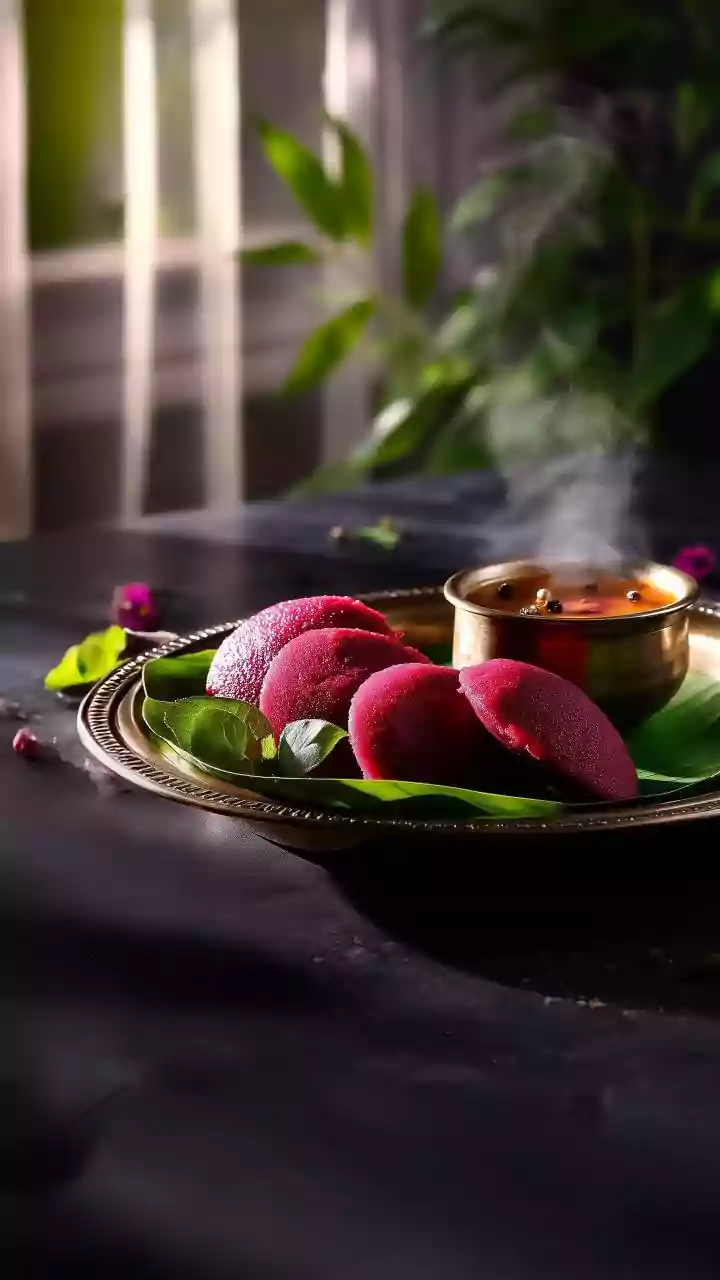
Idli, soft, steamed rice cakes, are another cornerstone of South Indian breakfast, cherished for their lightness and healthiness. Crafted from a similar fermented batter of rice and urad dal (black gram lentils) as dosa, idlis are steamed in special molds, resulting in a spongy, melt-in-your-mouth texture. The fermentation process imparts a pleasant sourness, and the steaming method ensures they are easily digestible and low in fat. Preparing the batter involves soaking rice and urad dal separately, then grinding them together to form a thick, smooth paste. This batter is then left to ferment for several hours, typically overnight, before being poured into idli molds and steamed until firm and fluffy. Idlis are invariably served with piping hot sambar, brimming with vegetables and aromatic spices, and an assortment of fresh chutneys, making for a balanced and satisfying meal. Their gentle flavor makes them an ideal canvas for the accompaniments, and their wholesome nature has earned them a permanent place in South Indian culinary traditions.
Biryani Bonanza
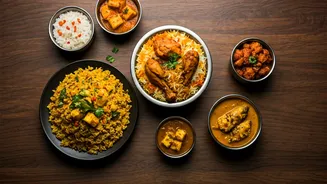
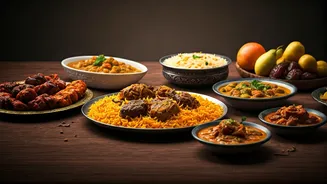
While biryani has many regional variations, the South Indian versions, particularly from regions like Hyderabad and Tamil Nadu, offer unique aromatic experiences. These flavorful rice dishes are a complex symphony of spices, rice, and meat or vegetables, slow-cooked to perfection. Hyderabadi biryani, for instance, is renowned for its 'dum pukht' cooking style, where ingredients are sealed and cooked in their own steam, locking in moisture and infusing the rice and meat with deeply layered flavors. Key spices include saffron, cardamom, cloves, and cinnamon, often layered with marinated meat (chicken, mutton, or fish) and fragrant basmati rice. The visual appeal, with its vibrant colors from saffron and fried onions, is as captivating as its taste. Tamil Nadu offers distinct styles, like the Chettinad biryani, known for its fiery spice profile and use of freshly ground masalas. The meticulous layering and slow cooking are what transform simple ingredients into a rich, aromatic, and utterly satisfying celebratory dish, a true testament to culinary artistry.
Vada Variety
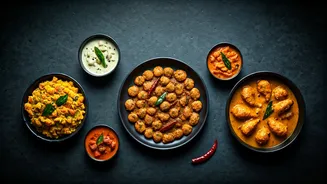
South Indian vadas are savory fritters, celebrated for their crispy exterior and fluffy, porous interior. The most popular is the Medu Vada, a urad dal-based donut-shaped fritter, often enjoyed as a breakfast accompaniment or snack. The batter for Medu Vada is made from ground urad dal, seasoned with ginger, green chilies, curry leaves, and sometimes onions, then deep-fried until golden brown. Its distinctive ring shape is not just for aesthetics but aids in even cooking. Another beloved variation is the Masala Vada, a flatter, more rustic fritter made from chana dal (split chickpeas) or a mix of dals and spices, which offers a crunchier texture and spicier kick. These vadas are typically served hot, paired with coconut chutney and sambar, providing a delightful contrast in textures and flavors to other South Indian staples like idli and dosa. The art of making vada lies in achieving the perfect crispness on the outside while retaining a soft, spongy core, a balance that requires precise batter consistency and frying temperature.
Pongal Celebration
Pongal is a hearty and comforting rice and lentil dish, considered a staple comfort food and often prepared during auspicious occasions, especially the Pongal festival. There are two primary variations: the savory Ven Pongal and the sweet Sakkarai Pongal. Ven Pongal is made by cooking rice and split yellow moong dal together, tempered with black peppercorns, cumin seeds, ginger, and curry leaves sautéed in ghee. This creates a flavorful, porridge-like dish that is both nutritious and deeply satisfying, typically served with sambar and coconut chutney. Sakkarai Pongal, on the other hand, is a sweet rendition, where rice and moong dal are cooked and then sweetened with jaggery (unrefined cane sugar), flavored with cardamom, and generously garnished with ghee-fried cashews and raisins. Both versions highlight the simple yet profound flavors that can be achieved by combining staple grains and lentils with aromatic spices and clarified butter, embodying the warmth and generosity of South Indian home cooking.