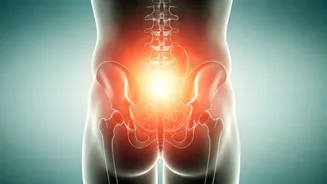







Common Back Discomfort Explained
Many individuals experience back pain, often stemming from lifestyle factors such as prolonged sitting, poor posture, or strenuous physical activity like
lifting heavy objects. This type of discomfort typically manifests as a dull ache, stiffness, or soreness, primarily localized to the affected area. It's often described as a muscular or skeletal issue that can be managed through ergonomic adjustments, regular exercise focusing on flexibility and posture, and sufficient rest. While generally considered less serious, it's always prudent to consult a healthcare professional to rule out any more significant underlying causes, ensuring that persistent or severe pain is not overlooked.
Identifying Kidney-Related Pain
Pain originating from the kidneys presents quite differently from typical muscular or skeletal back pain. This internal discomfort is usually felt higher up on the back, generally below the rib cage and on either side of the spine. It tends to be a deeper, more persistent ache that can sometimes intensify. Crucially, kidney pain is frequently accompanied by a cluster of other symptoms that are not associated with simple back strain. These can include fever, chills, nausea, vomiting, a burning sensation during urination, increased urinary frequency, or even visible blood in the urine. Recognizing these additional signs is vital for differentiating kidney issues from other causes of back discomfort.
Key Distinguishing Factors
Several key elements help delineate between general back pain and that originating from the kidneys. Location is a primary indicator: kidney pain typically resides in the upper back, near the ribs, while muscular back pain is more common in the lower back. The nature of the pain also differs; kidney discomfort is often constant and deep, whereas muscle pain can fluctuate with movement and activity. A significant differentiator lies in associated symptoms. Fever, urinary issues, and nausea are strong indicators of potential kidney problems, absent in most cases of simple back strain. Furthermore, while back muscle pain often worsens with physical exertion, kidney pain might not be as directly influenced by movement but can be exacerbated by other factors like infection or inflammation.
When Medical Attention is Crucial
Prompt medical evaluation is essential if you experience certain symptoms alongside back pain. Seek professional advice immediately if you encounter sudden, severe pain, or if your back pain is accompanied by fever, chills, or persistent nausea. Any noticeable changes in your urination patterns, such as increased frequency, pain, or the presence of blood, warrant urgent medical attention. Additionally, if your back pain does not improve with rest or standard home remedies, or if you observe any swelling in the flank area, it is imperative to consult a doctor. These signs can point towards serious conditions requiring timely diagnosis and treatment, such as kidney stones, infections, or other internal issues.