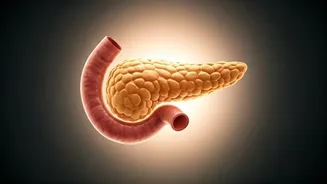







Skipping The First Meal
One prevalent error is completely bypassing breakfast or significantly delaying it. While intermittent fasting is a popular trend, for many, forgoing breakfast can disrupt
the body's natural internal clock, known as the circadian rhythm. This disruption can lead to elevated cortisol levels, the stress hormone, and diminish the body's sensitivity to insulin, making it harder to manage blood sugar. As experts suggest, when you skip breakfast, your body enters a conservational state, conserving energy by slowing down its metabolic rate, which can often lead to overeating and poor food choices later in the day, thus negating any perceived benefits of fasting.
Over-reliance on Refined Grains
A widespread issue revolves around the consumption of breakfasts predominantly composed of refined carbohydrates. Think of staples like white bread, cereals laden with sugar, or even traditional Indian dishes like poha and upma prepared with refined grains. These types of foods trigger rapid surges and subsequent drops in blood glucose levels. This rollercoaster effect can leave you feeling drained and experiencing intense cravings for more food shortly after eating, contributing to a cycle of energy depletion and poor dietary habits that do not support sustained metabolic function.
Low Protein, High Carb
The macronutrient balance of your breakfast is crucial, and a common oversight is opting for meals high in carbohydrates but critically low in protein. Protein plays a vital role in thermogenesis, the process by which your body generates heat and burns calories, and a deficiency here can slow this down. Furthermore, protein is known for its satiating properties, helping you feel fuller for longer and suppressing hunger hormones. Incorporating protein-rich foods such as eggs, paneer (Indian cottage cheese), yogurt, or even sprouted legumes can significantly improve appetite regulation and provide the sustained energy needed for a robust metabolism.
Heavy, Greasy Mornings
Traditional Indian breakfasts, while delicious, can become detrimental when prepared in heavy, fried, or excessively oily forms. Dishes like puri bhaji or parathas loaded with butter, when consumed regularly, can overburden the digestive system. This can lead to feelings of sluggishness, bloating, and general digestive discomfort. Over time, a consistent habit of consuming such rich, heavy meals in the morning might contribute to unwanted weight gain and compromise overall digestive health, placing unnecessary stress on your body's metabolic processes, particularly for those with less active lifestyles.
Sugary Drinks First
Starting your day with a beverage brimming with sugar, such as sweetened tea, coffee, or processed fruit juices, can significantly derail your metabolism. These drinks are often calorie-dense and packed with sugars, offering minimal nutritional benefits. Their consumption can lead to sharp spikes in blood sugar, mirroring the effects of refined carbohydrates. Additionally, for individuals prone to digestive issues, these sugary concoctions can exacerbate problems like acidity and heartburn, setting a negative tone for your body's digestive and metabolic functions right from the outset.