




The Mosquito Menace
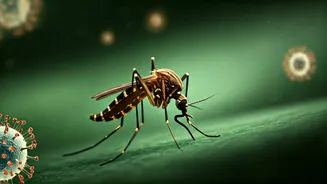
Mosquitoes are not just a nuisance; they are vectors for a range of dangerous diseases that pose significant public health challenges globally, particularly
in tropical and subtropical regions. While malaria, caused by Plasmodium parasites transmitted by Anopheles mosquitoes, remains a primary concern with symptoms like high fever, chills, and fatigue, it's vital to acknowledge other prevalent threats. These tiny insects, through their bites, can transmit a spectrum of viral and parasitic infections, leading to conditions with diverse and sometimes severe health consequences. The warm, humid climates often found in these areas create ideal breeding grounds for mosquitoes, exacerbating the problem and making preventative measures paramount for population health and well-being.
Dengue & Chikungunya Woes
Dengue fever, a significant threat, is transmitted by Aedes aegypti mosquitoes, often flourishing during monsoon seasons. Its symptoms can include high fever, intense body aches, severe headaches, skin rashes, and a tendency for bleeding, especially in severe cases. Equally concerning is Chikungunya, also spread by Aedes mosquitoes. This illness typically manifests as sudden fever and debilitating joint pain, which can persist for weeks or even months, significantly impacting an individual's quality of life. Early recognition of these symptoms is crucial for timely medical intervention and management of potential complications.
Zika and Japanese Encephalitis
The Zika virus, while often presenting with mild symptoms like fever, rash, conjunctivitis, and joint pain, poses a particular danger to pregnant women due to its link to severe birth defects in infants. Separately, Japanese Encephalitis, carried by Culex mosquitoes, can have serious neurological implications. This disease can affect the brain, leading to seizures, confusion, and other complications within the nervous system. Awareness and protection against these specific mosquito vectors are essential, especially in regions where these diseases are endemic, to safeguard vulnerable populations.
Elephantiasis & Yellow Fever
Lymphatic filariasis, commonly known as elephantiasis, is a debilitating mosquito-borne disease that systematically damages the lymphatic system. This damage can result in severe swelling of the limbs, causing significant physical deformity and disability. Another serious viral illness, Yellow Fever, is spread by mosquitos and primarily affects visitors to endemic areas in Africa and South America. Symptoms include fever, jaundice, and bleeding complications, highlighting the importance of travel precautions and awareness for those venturing into affected regions.
West Nile Virus Emergence
While the article lists seven diseases, it's worth noting the presence of West Nile Virus as another significant mosquito-borne illness. This virus, also transmitted by mosquitoes, can cause a range of symptoms from asymptomatic infection to more severe neurological disease, including encephalitis and meningitis. Its spread, like other mosquito-borne ailments, is influenced by factors such as climate and the presence of breeding sites for mosquito populations. Awareness of West Nile Virus further underscores the multifaceted nature of mosquito-borne disease threats.
Community Prevention Strategies
Effective control of mosquito-borne diseases hinges on collective community efforts. Regular fumigation drives and public awareness campaigns are instrumental in curbing the spread of these infections. By working together, communities can significantly reduce mosquito populations and limit transmission routes. Such coordinated actions, alongside individual responsibility, create a robust defense system. Public health initiatives that involve community participation are crucial for managing and eventually eradicating the burden of diseases like malaria, dengue, and others.
Personal Protection Measures
On an individual level, a multi-pronged approach to prevention is highly effective. Eliminating stagnant water sources around homes, such as in coolers, flower pots, and open containers, is critical as these are prime breeding grounds for mosquitoes. Utilizing mosquito repellents, wearing full-sleeved clothing, and employing mosquito nets, particularly for children and the elderly, significantly reduces the risk of bites. Maintaining personal hygiene and ensuring clean surroundings further contribute to minimizing mosquito breeding opportunities and safeguarding against infection.