





Berry Powerhouse
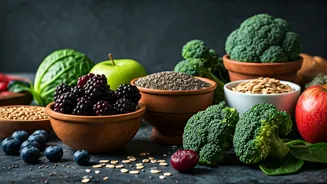
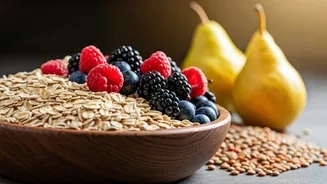
Raspberries stand out as fiber champions, offering a remarkable 8 grams of fiber per cup. These vibrant berries are not only a delightful snack or yogurt
topping but also a treasure trove of antioxidants and essential vitamins. Their inclusion in your diet actively promotes cardiovascular health and ensures your digestive system operates with optimal smoothness. Their natural sweetness and texture make them an appealing choice for anyone seeking to increase their fiber intake effortlessly.
Tiny Seed Fiber
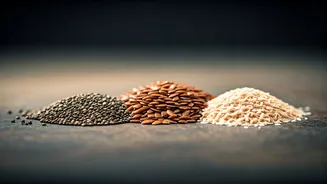
Don't underestimate the fiber punch of chia seeds; a mere two tablespoons can provide close to 10 grams of this essential nutrient. When introduced to liquid, these small seeds transform into a gel-like substance, making them an incredibly versatile addition. Whether you're crafting chia seed puddings, blending them into smoothies, or simply mixing them with water for a refreshing drink, they significantly contribute to your fiber intake and offer a unique textural element to your meals.
Legume Nutritional Giants
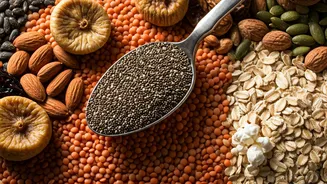
Lentils are a true pantry staple, renowned for delivering immense nutritional benefits, including approximately 15 grams of fiber per cooked cup. This high fiber content makes them exceptionally filling, promoting satiety and helping you feel satisfied for extended periods. Incorporating lentils into hearty soups, robust stews, or even as a base for vegetarian dishes provides a substantial and wholesome way to meet your fiber requirements without resorting to vegetables, keeping hunger at bay.
Versatile Chickpeas
Chickpeas, also known as garbanzo beans, are another excellent source of dietary fiber, boasting around 12 grams per cup. Their adaptability in the kitchen is remarkable; they can be transformed into a smooth, creamy hummus perfect for dipping, or roasted to a delightful crisp for a satisfyingly crunchy snack. These beans offer a delicious and varied approach to boosting your daily fiber consumption, making them a valuable component of a fiber-rich diet.
Sweet Pear Fiber
A single medium-sized pear delivers approximately 6 grams of dietary fiber, with a significant portion residing within its edible skin. Pears often surpass apples in both sweetness and fiber content. Enjoying them fresh as a convenient snack or pairing them with a dollop of almond butter creates a delightful and nutritious treat that effectively contributes to your fiber goals, offering a naturally sweet way to enhance your intake.
Black Bean Benefits
Black beans are nutritional powerhouses, generously providing about 15 grams of fiber per cup. They are incredibly useful for adding substance and texture to various dishes, including burritos, hearty soups, and even baked goods like brownies. Beyond their impressive fiber content, their high protein levels also make them a fantastic and filling substitute for meat in many meals, contributing to a well-rounded and satisfying eating experience.
Oats for Breakfast
Beginning your day with a comforting bowl of oatmeal can immediately contribute around 4 grams of fiber. Oats are particularly noteworthy for their beta-glucan content, a specific type of soluble fiber recognized for its ability to help manage cholesterol levels. By personalizing your oatmeal with added seeds or fruits, you can further enhance its nutritional profile and fiber content, setting a healthy tone for the rest of your day.
Creamy Avocado Fiber
Often perceived as a vegetable, the avocado is botanically a fruit and a significant source of fiber, yielding about 10 to 13 grams per whole fruit. The unique combination of healthy monounsaturated fats and abundant fiber in avocados makes them exceptionally satiating. Whether you enjoy them mashed on toast, incorporated into salads, or simply eaten with a spoon, they offer a creamy, nutrient-dense way to boost your fiber intake.