


Veggies: The Fresh Foundation
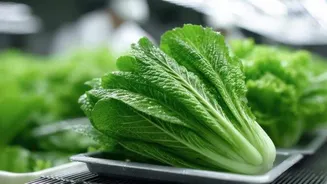
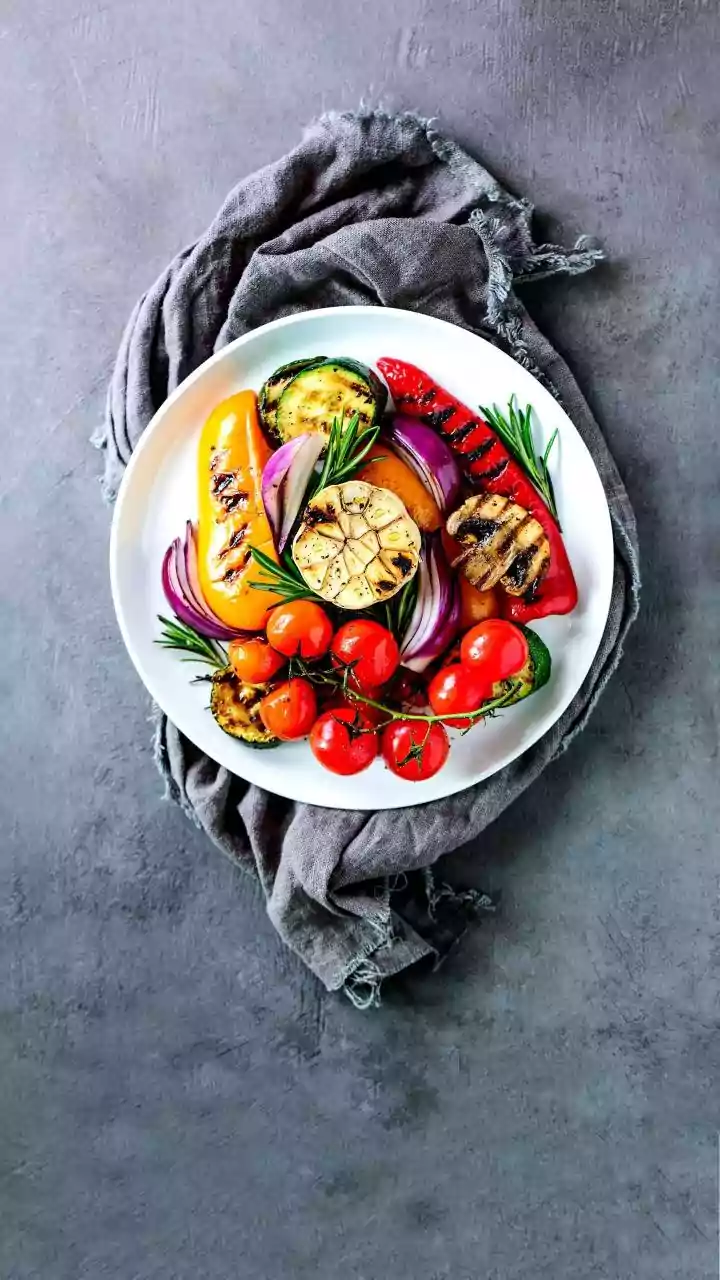
Begin by selecting an array of crisp, colourful vegetables that will form the heart of your rolls. Think about textures and flavours that complement each
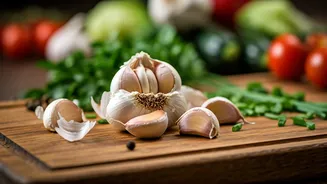
other. Excellent choices include carrots, cucumbers, bell peppers, shredded cabbage, and crisp lettuce. It's crucial to cut these into uniform, slender strips; this not only makes them easier to incorporate into the rolls but also ensures a pleasant mouthfeel. Don't shy away from adding fresh herbs such as mint or coriander, as these can significantly elevate the overall taste profile. The goal here is to build a filling that is both light and satisfyingly crunchy, setting the stage for a delightful culinary experience. The quality and freshness of your produce will directly impact the final taste and visual appeal of your rolls, so choose wisely.
Rice Paper: Gentle Hydration
The next crucial step involves preparing the rice paper wrappers. You'll need a shallow dish or a broad plate filled with lukewarm water. Carefully immerse a single rice paper sheet into this water for a brief period, typically around five to ten seconds, until it achieves a pliable, softened consistency. It's important to avoid over-soaking, as the wrapper will continue to soften even after you've removed it from the water. Once adequately softened, gently transfer the sheet to a clean, flat surface, such as a damp cloth or a smooth wooden board, to prevent sticking and to provide a stable base for assembly.
Assembly: Layering with Care
With your softened rice paper sheet laid out, it's time to introduce the vibrant fillings. Start by placing a small bed of lettuce at the base, which acts as a protective layer for the wrapper. Next, artfully arrange your pre-cut vegetables and fresh herbs over the lettuce. Strategically position the filling slightly below the centre of the rice paper. A word of caution: refrain from overfilling. Too much of a good thing can cause the delicate wrapper to tear, compromising the integrity of your roll. A balanced filling ensures that each roll is neatly contained and easy to handle.
The Roll: Tucking and Sealing
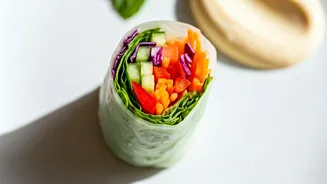
The final stage of creation involves carefully rolling up your prepared ingredients. Begin by folding the bottom edge of the rice paper wrapper upwards, snugly over the filling. Following this, neatly tuck in both the left and right sides of the wrapper, creating a compact parcel. Then, proceed to roll the entire package forward, applying gentle but firm pressure to keep the contents contained and the roll tight. The natural stickiness of the rice paper will adhere to itself, creating a secure seal without the need for any additional binding agents. This meticulous rolling technique ensures that your rolls hold their shape and are ready to be enjoyed.
Serving: Freshness Unleashed
For the most enjoyable experience, it is best to serve your freshly made rice paper rolls immediately. This ensures that the vegetables retain their optimal crunch and the wrappers their delicate texture. To enhance the flavour, pair these refreshing rolls with a complementary dipping sauce. Options like a rich peanut sauce, a nutty sesame dressing, or a zesty soy-lime concoction work exceptionally well. The harmonious blend of the soft, yielding wrapper and the crisp, invigorating vegetables creates a truly satisfying and light culinary sensation.