
The Golden Ratio
Achieving that ideal dosa texture hinges significantly on getting the batter proportions just right. For every kilogram of rice you intend to use, a quarter
kilogram of urad dal is the recommended measure. When thinking in terms of standard measuring cups, this translates to approximately one cup of urad dal for every four cups of rice. This foundational ratio is critical for developing the structure that leads to a crispy finish. Beyond the primary rice and dal components, incorporating other elements can further elevate your dosa. Adding about 50 grams of poha (flattened rice) and a single tablespoon of fenugreek seeds to your batter mix is a chef's trick that not only contributes to a beautiful golden hue but also subtly enhances the overall flavour profile. These additions, when used in conjunction with the correct rice-to-dal ratio, are instrumental in transforming a good dosa into an exceptional one.
Soaking Strategy
The way you soak your rice and dal is as crucial as their proportions. It's essential to keep them separate during this stage. The rice should be washed thoroughly, then soaked for a minimum of five hours, or ideally, overnight, to ensure it softens adequately. In contrast, the urad dal and the fenugreek seeds should be soaked together for about four hours. Poha, being a delicate ingredient, only needs to be soaked for about half an hour just before you're ready to grind, allowing it to become soft without turning mushy. Before any soaking begins, a thorough rinsing of both the rice and the urad dal, two to three times, is a vital step to remove any residual dirt or impurities. This pre-soaking cleaning also contributes to the final batter's clean, white appearance. Using generously sized bowls filled with ample water ensures that the grains are fully submerged, promoting even soaking and leading to a smoother, more pliable batter when it's time for grinding.
Grinding for Texture
The grinding process is where the magic truly starts to happen for your dosa batter. Begin by combining the thoroughly soaked rice and the poha. Grind these together first until you achieve a completely smooth consistency. This initial grinding step is key for a fine base. Following this, introduce the soaked urad dal and fenugreek seeds into the grinder. Continue grinding until the entire mixture develops a rich, buttery texture. This combination of smooth rice and creamy dal creates the perfect foundation. Once both parts are ground, transfer them to a large mixing bowl. The best way to integrate them is by hand, mixing thoroughly. The resulting batter should possess a balanced consistency – it shouldn't be too thin and watery, nor should it be overly thick. This careful blending ensures optimal spreadability on the tawa and contributes significantly to the final crispness of the dosa.
Fermentation Factors
The fermentation period for your dosa batter is a dynamic process that greatly depends on ambient temperature. During the cooler winter months, when the environment is less warm, it might take around 10 to 12 hours for the batter to ferment properly. However, in the heat of summer, this process can be significantly faster, often ready in approximately eight hours. It's crucial to remember that salt should only be added *after* the batter has successfully fermented. Incorporating salt prematurely can hinder the natural fermentation process, preventing the batter from developing the desired sourness and airy texture. Many home cooks mistakenly refrigerate their batter immediately after grinding, but optimal fermentation occurs at room temperature. If you do store batter in the refrigerator, it's imperative to take it out at least an hour before you plan to make dosas, allowing it to return to room temperature. This step is vital for the batter to spread evenly and thinly on the hot tawa, ensuring those desirable crispy edges.
Cooking the Dosa
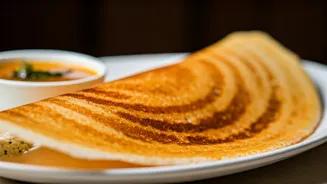
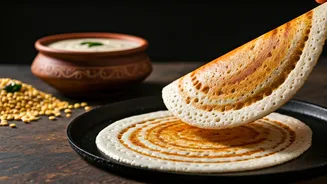
With your perfectly fermented batter ready, the cooking stage is next. For those seeking that authentic, hotel-style dosa, avoid the temptation to add baking soda to well-fermented batter, as it's unnecessary and can alter the texture. Before you begin cooking, heat your dosa tawa thoroughly. A simple yet effective trick is to sprinkle a little water onto the hot surface and then wipe it down with a damp cloth. This temperature regulation helps prevent sticking and ensures even cooking. To further aid in achieving thin, crispy dosas, you can add a small amount of oil, which also helps the batter spread smoothly. Ladle a portion of the batter onto the center of the tawa and, with a confident motion, spread it outwards towards the edges in a circular pattern. This technique is fundamental to creating those beautifully thin, uniformly cooked, and wonderfully crisp dosas that are a delight to eat.