






Metabolic Mysteries Unveiled
Often, weight gain is narrowly attributed to simple overconsumption of calories or insufficient physical activity. However, medical professionals emphasize
that this view is a significant oversimplification of a much more intricate biological process. Dr. Archana Pate, a Consultant in Internal Medicine, clarifies that obesity is not merely a lifestyle choice but a complex metabolic disorder stemming from a confluence of genetic predispositions, hormonal fluctuations, environmental influences, and individual lifestyle habits. While an unbalanced diet and a sedentary existence undoubtedly contribute to weight accumulation, many individuals find themselves battling obesity due to underlying medical conditions that predispose them to gain weight and resist weight loss efforts. These can include endocrine issues like hypothyroidism, Cushing's syndrome, polycystic ovarian syndrome (PCOS), and insulin resistance, alongside specific genetic factors. Furthermore, certain pharmaceutical interventions, such as steroids and some psychiatric medications, can also inadvertently lead to weight gain. Adding to this complexity are sleep disruptions, persistent stress, and hormonal imbalances, all of which profoundly affect the body's metabolic regulation mechanisms.
Beyond Calorie Counting
Dr. Manoj Bharucha, a Gastroenterologist and Bariatric Surgeon, highlights a pervasive misconception he frequently encounters: the belief that weight gain is solely a calculation of calories consumed versus calories expended. He asserts that this overly simplistic perspective not only fails patients but actively hinders them from seeking appropriate and effective interventions. The human metabolic system, he explains, is far too sophisticated to be reduced to a mere calorie counter. Instead, it functions as an intricately regulated hormonal system, influenced by a multitude of factors including one's genetic makeup, the composition of their gut microbiome, sleep patterns, physiological stress responses, and even experiences from early life. When Dr. Bharucha encounters a patient gaining weight despite diligent attention to diet and exercise, his initial inquiry isn't about their food intake, but rather about what their body is actively doing with that intake. This highlights a fundamental shift in understanding weight management, moving away from external control to an internal biological perspective.
Insulin's Role and More
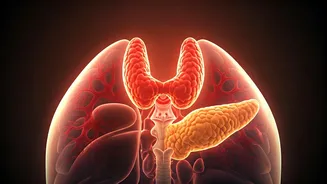
A critical biological factor influencing weight gain is insulin resistance, a condition becoming alarmingly prevalent even among individuals who appear outwardly lean. In this state, the body's cells respond less effectively to insulin, prompting the pancreas to produce higher quantities of this hormone in an attempt to maintain stable blood sugar levels. Chronically elevated insulin levels can then actively promote fat accumulation, particularly in the abdominal region. Dr. Bharucha emphasizes that this is a biological signal, not a personal failing. Beyond insulin resistance, other medical factors play a significant role. Subclinical hypothyroidism, elevated cortisol levels stemming from chronic psychological stress, disrupted biological clocks (circadian rhythms), and an imbalanced gut microbiome can all independently instigate metabolic alterations. Dr. Bharucha points out that in some instances, simply identifying and rectifying an underlying hormonal imbalance can dramatically improve a patient's metabolic profile, often without necessitating substantial changes to their dietary habits.
Holistic Treatment Approaches
Recognizing obesity as a legitimate medical condition, rather than solely a consequence of lifestyle choices, is paramount for successful treatment. This understanding is crucial because obesity is associated with a host of serious health risks, including type 2 diabetes, hypertension, cardiovascular disease, fatty liver disease, obstructive sleep apnea, osteoarthritis, infertility, and certain types of cancer. Beyond physical ailments, obesity can also profoundly impact mental well-being and overall quality of life. Dr. Pate underscores that a thorough medical evaluation is essential for pinpointing secondary causes or metabolic triggers, enabling healthcare providers to develop more precise treatment strategies instead of relying solely on restrictive calorie intake. Modern approaches to obesity management are increasingly comprehensive, encompassing structured lifestyle modifications, specialized medical nutrition therapy, behavioral counseling, pharmacotherapy, and, in specific cases, bariatric surgery. The consensus among experts is that a personalized treatment plan, carefully calibrated to an individual's unique metabolic profile, offers the most promising pathway to achieving sustainable weight management and reducing the societal stigma surrounding obesity.