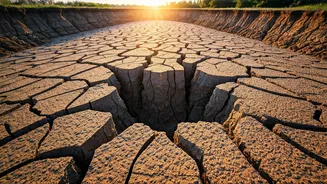

Soil: A Foundation
The health of India's soil is currently a cause for significant concern. This is crucial since soil is far more than just a place to grow food. It is a complex,
living ecosystem that supports plant growth. Soil quality directly affects the food produced and, consequently, human nutrition. The article focuses on the often overlooked connection between soil health and the nutritional content of our staple foods. The current condition of the soil and the way we utilize it directly impact the nutritional value of what we eat, affecting everyone in the population and its collective well-being. Understanding this relationship is the first step toward finding solutions and ensuring a healthier future for the country.
Nutrition and Soil
Despite significant progress in food security, India still struggles with malnutrition. The issue isn't always about a lack of food quantity; it's often a question of nutritional quality. The essential grains consumed daily, such as wheat, rice, and pulses, frequently lack vital nutrients due to the compromised condition of the soil in which they are cultivated. This means that even when people have their fill of 'dal-chawal,' they might still suffer from nutritional deficits. The deterioration of soil quality leads to crops with reduced levels of essential vitamins and minerals. This affects the nutritional intake of millions, exacerbating existing health problems and hindering the country's overall development. The quality of soil underpins the nutritional value of the food we consume, thus influencing our health.
Why Soil Matters
Soil is not a machine; it's a dynamic, living entity that needs careful management. Conventional farming practices that focus on short-term gains often overlook the importance of soil health. Over-cultivation, excessive use of chemical fertilizers and pesticides, and improper irrigation techniques can degrade the soil, reducing its ability to provide nutrients to plants. The problem arises when these practices deplete the soil's natural reserves and damage its structure, leading to reduced crop yields and decreased nutritional content. Therefore, it's crucial to adopt more sustainable agricultural methods that preserve and improve soil health. Farmers must recognize that healthy soil is the bedrock for producing nutrient-rich food.
Seeking Solutions
Addressing soil degradation requires a multifaceted approach. Think tanks and agricultural experts have put forth several recommendations to improve soil health. Encouraging the use of organic fertilizers, implementing crop rotation, and promoting sustainable farming practices are key steps. Soil conservation techniques, such as contour farming and terracing, can help prevent erosion and preserve soil structure. Investing in research and development to discover new ways to improve soil quality is equally important. Promoting awareness among farmers and consumers about the importance of soil health is essential. Education and widespread adoption of these methods are essential to address the problem. By prioritizing soil health, India can ensure a more secure and nutritious food supply for its citizens.