




Nature's Washing Agents
Long before synthetic detergents became commonplace, Indian households skillfully utilized the natural cleansing properties of fruits and plant extracts
for their laundry needs. Among these traditional powerhouses, reetha and hingot stand out as particularly effective and environmentally conscious choices. These fruits are laden with plant compounds that, when combined with water, mimic the action of soap, making them an excellent eco-friendly alternative. Remarkably, these age-old methods are still practiced in some rural communities in Madhya Pradesh and Uttar Pradesh, where sustainable living is a way of life, free from the reliance on chemical products. This resurgence of interest highlights the value of traditional knowledge in promoting a healthier planet and a more sustainable lifestyle. These natural cleansers not only work effectively but also contribute to reducing our environmental footprint.
Understanding Reetha & Hingot
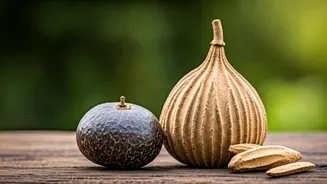
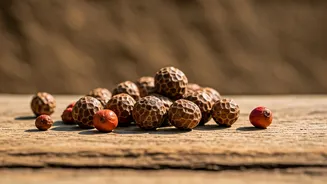
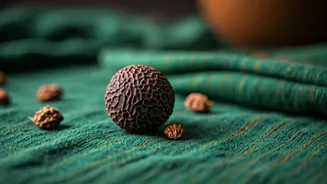
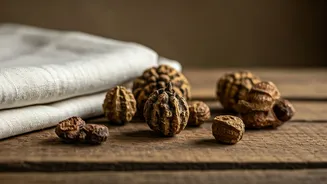
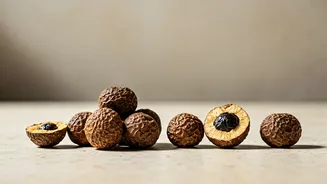
Delving deeper, reetha, commonly known as 'soap nut,' is the dried fruit derived from the *Sapindus Mukorossi* tree. The outer shell of this fruit is rich in saponins, which are natural surfactants. These saponins create a foamy lather when mixed with water, effectively lifting and removing oil and grime from fabrics. Beyond laundry, reetha holds a special place in Indian homes as a natural hair wash, revered for its ability to promote long, strong, and lustrous hair. Complementing reetha is the hingot fruit, also referred to as the desert date, which flourishes in the arid landscapes of Rajasthan. The pulp and seeds of the hingot fruit have been traditionally employed by rural populations as a potent natural washing and cleansing agent, adept at loosening stubborn dirt and oils from textiles. Together, these fruits represent a potent combination of nature's cleaning capabilities.
Simple Usage Methods
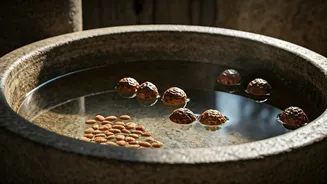
Incorporating these ancient cleansers into your modern laundry routine is surprisingly straightforward. For a simple approach using reetha, begin by gathering approximately 5 to 6 reetha pods. Place these pods into a small cotton or muslin bag. This bag can then be placed directly into your washing machine along with your clothes, or it can be submerged in a bucket of water for a hand wash. Proceed with your usual washing cycle. A key advantage is that the same reetha shells can be reused multiple times, typically for 3 to 5 washes, further enhancing their cost-effectiveness and sustainability. This method minimizes waste and chemical exposure, offering a gentle yet effective clean for your garments.
DIY Liquid Detergent
For those who prefer a liquid detergent, reetha can be easily transformed into a natural washing solution. To start, crush around 8 to 10 reetha pods. Place the crushed pods into a pot of water and boil them for approximately 15 minutes. After boiling, strain the liquid to remove the solid remnants, leaving you with a potent, natural detergent. This liquid can be stored in your refrigerator and used for subsequent washes. This homemade detergent not only offers a chemical-free alternative but also maintains the integrity of your fabrics while being kind to the environment. Both hingot and reetha, through these practical applications, vividly illustrate how ancestral wisdom continues to provide sustainable and effective solutions for everyday challenges, even in our rapidly evolving world.