






The Crucial Role of Water
Bhagyashree emphasizes that water is the cornerstone of bodily function, essential for regulating temperature, transporting nutrients, and expelling waste.
She strongly advises proactive fluid intake, suggesting one should drink water consistently throughout the day, irrespective of feeling thirsty. This consistent hydration helps prevent the body from reaching a state of deficit, ensuring all its systems operate optimally, especially when exposed to elevated temperatures or during periods of increased activity. By making water readily accessible, perhaps by carrying a bottle, individuals can easily maintain adequate fluid levels.
Why Electrolytes Matter
During warmer months, the body naturally loses essential electrolytes through perspiration. These minerals, including potassium, sodium, and chloride, are not merely incidental; they are vital for maintaining cellular fluid balance, facilitating nerve communication, and enabling proper muscle contractions. Bhagyashree highlights that replenishing these lost salts is as important as drinking water itself. For instance, potassium helps draw water into cells, while chloride ensures that the fluid within cells remains at a safe level, preventing overhydration that can be detrimental. This delicate equilibrium is key to preventing fatigue and maintaining overall well-being.
Smart Hydration Strategies
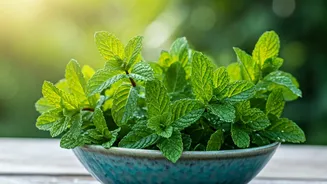
Beyond plain water, Bhagyashree offers several smart strategies to enhance hydration. Incorporating fruits like lemon, cucumber, or mint into your water can make it more appealing and add a nutritional boost. Equally important is the consumption of water-rich foods such as watermelon, cucumber, oranges, and spinach, which contribute significantly to your daily fluid intake. For replenishing electrolytes, she steers clear of sugary commercial drinks, advocating instead for natural options. Coconut water is a prime example, packed with potassium and other beneficial minerals. Alternatively, simple homemade concoctions like lemonade or buttermilk with a pinch of salt can effectively restore lost salts and fluids.
What to Avoid
To further support hydration efforts, Bhagyashree advises caution regarding certain beverages that can counteract hydration goals. Caffeine and alcohol, for instance, possess diuretic properties, meaning they can increase fluid loss from the body. While moderate consumption might be acceptable for some, it's crucial to compensate for any dehydrating effects by drinking extra water. This awareness helps individuals make informed choices about their fluid intake, ensuring that their hydration strategies are effective and not undermined by less beneficial choices, especially when the body is already under stress from the heat.
Listening to Your Body
A fundamental aspect of managing summer hydration, as stressed by Bhagyashree, is attuning to your body's signals. Recognizing the early indicators of dehydration is paramount. These signs can include a persistent feeling of thirst, a dry mouth, unexpected fatigue, or a noticeable decrease in urination frequency. Should any of these symptoms manifest, it's imperative to take immediate action to rehydrate. Furthermore, she suggests minimizing strenuous physical exertion during the peak heat hours of the day. Seeking out cooler environments and opting for lightweight, breathable clothing are also practical measures to help the body regulate its temperature and conserve fluids.
When More is Needed
Bhagyashree acknowledges that in certain extreme circumstances, simple hydration might not suffice. Scenarios like prolonged exposure to hot climates, or instances of vomiting or diarrhea, can rapidly deplete the body of vital salts. In these critical situations, an Oral Rehydration Solution (ORS) emerges as the most dependable and scientifically formulated option. ORS is specifically designed for swift absorption, ensuring that essential electrolytes are replenished efficiently to counteract severe dehydration and restore bodily equilibrium, providing a crucial lifeline when the body is under significant stress.