






Defining the Differences
While both yogurt and curd are derived from milk through fermentation, their primary distinction lies in the specific bacterial cultures employed during
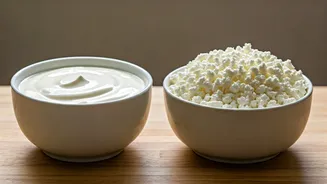
their creation. Curd, often referred to as 'dahi' in India, is typically made using a starter culture of Lactobacillus species, commonly found in traditional Indian households. This process results in a product with a characteristic tangy flavor and a creamy yet slightly grainy texture. Yogurt, on the other hand, is generally prepared using a combination of Streptococcus thermophilus and Lactobacillus bulgaricus bacterial strains. These specific cultures are crucial for achieving the smooth, consistent texture and milder taste that are hallmarks of commercial yogurt. The manufacturing process for yogurt often involves more controlled temperature and time parameters to ensure optimal bacterial activity and product quality. This difference in microbial composition not only affects the taste and texture but also contributes to the unique nutritional profiles and potential health benefits of each dairy product.
Nutritional Advantages Explored
Both yogurt and curd offer significant nutritional advantages, but certain types, like Greek yogurt, stand out for their protein content. A standard serving of traditional curd might provide around 3-4 grams of protein. However, Greek yogurt, a popular variant, can almost double this, offering approximately 8-10 grams of protein in a similar portion. This higher protein count in Greek yogurt can be particularly beneficial for muscle recovery after exercise, helping to alleviate post-workout soreness. Beyond protein, regular consumption of either yogurt or curd can bolster the immune system. It's believed that the active probiotic cultures within these products support the functioning of T-cells, which are vital for the body's defense mechanisms. Furthermore, for individuals with lactose intolerance, yogurt can serve as a more digestible alternative. The fermentation process converts lactose into lactic acid, making it easier for the body to process. This makes yogurt a valuable addition to the diets of those who struggle with dairy consumption.
Homemade vs. Commercial Production
The preparation of curd is a widespread practice in many Indian homes, often passed down through generations. The process typically involves warming milk to a lukewarm temperature, adding a small amount of existing curd as a starter, and allowing it to ferment for several hours in a warm environment, often overnight. The liquid that separates after coagulation is then drained, and the resulting product is refrigerated. This traditional method, while accessible, can sometimes yield a more sour taste if left to ferment for too long. While many experts believe yogurt can also be made at home, some suggest that true yogurt, with its specific bacterial strains and industrial consistency, is an industrially produced product. Commercial yogurt production involves precise control over temperature, fermentation time, and the specific strains of bacteria used, ensuring a standardized product. However, the core principle remains the same: introducing beneficial bacteria to milk to initiate the fermentation process and create a delicious, nutritious food.