






The Hidden Number
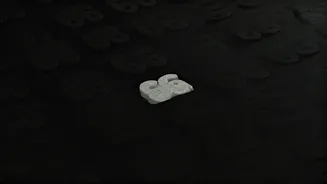
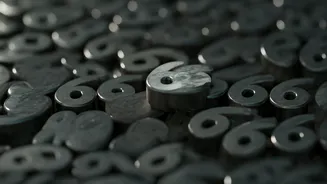
Imagine a grid filled with the number '66' repeated numerous times, creating a seemingly uniform pattern. However, nestled within this sea of identical
digits is a single, sly '69' that subtly breaks the visual rhythm. This type of puzzle is specifically designed to capture the attention of young minds, fostering not only a sharper ability to observe but also cultivating the valuable trait of patience. It encourages individuals to look beyond the surface-level predictability and truly engage with the details presented, promoting a deeper level of scrutiny than a quick glance would typically allow.
Why Puzzles Engage Kids
Children possess an innate fascination with patterns and repetition; predictable sequences often provide a sense of comfort and order. When a single element deviates from this established norm, it sparks immediate curiosity and a desire to investigate the anomaly. These visual challenges offer more than just simple entertainment; they are powerful tools for developing concentration and teaching the virtue of perseverance. Crucially, they illustrate the important lesson that initial appearances can be deceiving, prompting a more critical and thorough examination of information. Parents often observe a marked improvement in scanning speed and a shift from passive observation to active comparison after initial attempts, signifying significant cognitive development in their children's learning processes.
Finding the Anomaly
The typical human eye tends to glide over a grid filled with repeating numbers, perceiving only the dominant pattern – in this case, '66'. This repetition can create a cognitive shortcut, leading the brain to relax its vigilance too soon, assuming uniformity throughout. The puzzle's intrigue lies in the fact that the '69' is hidden in plain sight, making its eventual discovery incredibly satisfying. While the solution might seem obvious once found, the journey to that moment requires deliberate effort and focused attention, highlighting the value of the process itself.
The Trickiness Explained
Our brains are wired to seek efficiency, often employing shortcuts when processing repetitive information. When confronted with a consistent pattern, the mind tends to cease detailed verification, making a presumptive judgment that all elements are identical. This is precisely why this specific puzzle is so effective: the numbers '66' and '69' share the same constituent digits, differing only in their orientation. This visual similarity allows the brain to rapidly scan and 'fill in the blanks,' thereby missing the subtle inversion. The underlying lesson is profound: meticulous observation is paramount, and slowing down our usual pace can unveil details that speed often obscures, a principle applicable to reading, learning, and problem-solving.
Building Essential Skills
A simple activity like this number-spotting game can evolve into a cherished bonding experience for families. Engaging in the task together, sharing hypotheses, and collaboratively finding the solution fosters a shared sense of accomplishment. Furthermore, it gently instills resilience; the inability to find the answer immediately is reframed not as a failure, but as an intrinsic part of the problem-solving journey. Consistently encountering and navigating these minor challenges helps children build confidence in their own cognitive abilities. They learn to pause, re-evaluate patterns, and maintain an inquisitive outlook, developing critical thinking that extends far beyond the confines of a single puzzle.