




Fabric of Society
In ancient India, the choice of fabric was a primary indicator of one's social standing and economic prosperity. The elite, including royalty, adorned
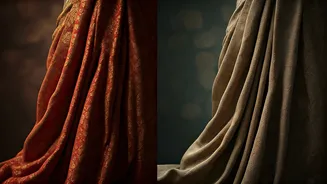
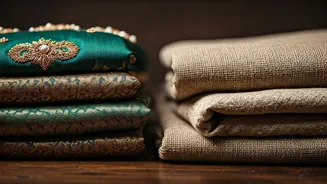
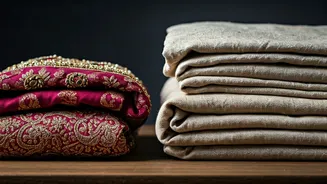
themselves in luxurious and rare materials such as fine silks, including varieties like kauseya, and exquisite muslins. The Maurya and Gupta empires saw the flourishing of trade routes that brought in these coveted fabrics, often enhanced with shimmering zari threads and even perfumed weaves, signifying immense wealth and access to global markets. In stark contrast, the common populace was clothed in practical and durable cotton ensembles. These garments featured simpler, functional silhouettes designed for everyday wear and were typically adorned with minimal dyes, prioritizing comfort and longevity over ostentation.
Embellishments and Grandeur
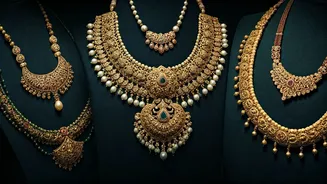
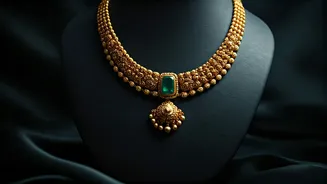
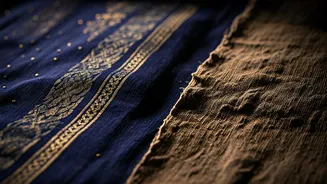
The embellishments on clothing were a clear visual differentiator between the ruling class and the general public. Royal attire was a canvas for opulence, featuring elaborate designs meticulously crafted with heavy gold thread embroidery, precious gemstone inlays, and intricate motifs that spoke of meticulous craftsmanship and significant expenditure. Decorative sashes and statement waistbands often completed these regal ensembles, adding to their grandeur. Commoners' clothing, however, bore no trace of such lavish decoration. Embroidery was virtually non-existent, with simple hemline stitches being the norm. Any form of decorative prints was usually reserved for special occasions like festivals, showcasing a restrained approach to adornment in daily life.
A Spectrum of Colour
Colour played a pivotal role in communicating status and identity through ancient Indian textiles. Royalty favoured bold and vibrant hues that were symbolic of power and wealth, such as deep reds, auspicious saffron, shimmering gold, and rich royal blues. These striking shades were achieved using natural dyes derived from sources like indigo and madder, indicating access to resources and sophisticated dyeing techniques. For the average individual, the colour palette was far more subdued. Muted earthy tones, undyed cotton fabrics, and lightly coloured weaves were common, reflecting a connection to nature and a less ostentatious lifestyle. This contrast in colour clearly delineated the visible markers of wealth and social hierarchy.
Draping Styles and Layers
The way garments were constructed and worn also highlighted the chasm between ancient Indian royalty and commoners, with layering and unstitched fabrics being prevalent. Royal garments often involved complex draping techniques, typically including a dhoti or antariya at the lower body, accompanied by an uttariya as an upper drape, frequently made of luxurious silk. The addition of multiple stoles, scarves, and decorative sashes amplified the sense of grandeur and presence. While stitched garments gradually gained prominence over time, these layered, unstitched drapes were hallmarks of regal attire. The commoners' wardrobe, on the other hand, featured simpler silhouettes. Women often wore saree-style drapes that reached the calf, while men typically wore basic dhotis. Shorter upper cloths and fewer layers were common, a practical adaptation to the hot climate. The emphasis for royalty was on visual impact and volume, whereas commoners' clothing prioritized ease of movement and comfort.