





Perfecting Your Canvas
The foundation of a great makeup look begins long before foundation is applied. A crucial yet often overlooked step is meticulously preparing your skin,
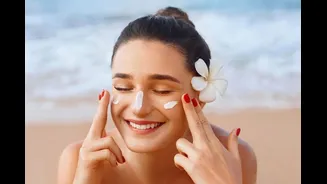
ensuring it's in the optimal condition to receive makeup. In warmer or more humid climates, opting for overly rich, emollient moisturizers can create a thick, occlusive layer that acts as a barrier, preventing your foundation from adhering evenly. This excess moisture can lead to a slippery base where makeup struggles to grip, eventually breaking down and appearing heavy. Similarly, sunscreens that leave a pronounced white cast or dry down in a patchy manner will inevitably cause foundation to cling unevenly, highlighting dry areas rather than blending seamlessly. It’s also vital to avoid the temptation of over-layering multiple skincare products. While a multi-step routine can be beneficial, applying more than two distinct layers of serums, essences, or creams beneath your foundation can result in a buildup of product. This dense stratum between your skin and your makeup is a recipe for separation and a compromised base that deteriorates as the day wears on. Prioritizing a few well-chosen, compatible products that fully absorb is key to a smooth transition from skincare to makeup.
Choosing the Right Formula
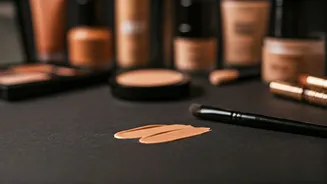
Selecting a foundation that complements your skin's natural characteristics is paramount to avoiding a cakey appearance. A frequent pitfall is misaligning foundation finishes with skin types, leading to unintended consequences. For instance, applying a matte or powder-based foundation to skin that is naturally dry often exacerbates texture, causing it to cling to any flaky patches and accentuate unevenness. In such cases, a luminous or satin-finish foundation is a superior choice, as it moves more fluidly with the skin’s natural contours and hydration. Conversely, individuals with oily skin often find that matte formulas are more effective. These formulations help to absorb excess sebum throughout the day, providing a more controlled and polished look, whereas dewy or radiant foundations can sometimes stimulate further oil production, leading to shine and a breakdown of the base.
Application Techniques Matter
Even with the most appropriate foundation, the method of application plays a significant role in preventing a heavy or cakey result. Applying foundation in overly thick layers creates an artificial barrier on the skin, making it challenging for the product to meld naturally. Instead, the focus should be on building coverage gradually in thin, controlled applications. Incorrect blending techniques can also be detrimental; dragging foundation across the face rather than pressing or buffing it in can cause the product to accumulate unevenly, settling into fine lines and pores. The tools used are also critical. Dense brushes, makeup sponges, and even fingertips each distribute product differently. Selecting the wrong tool for a particular foundation formula can lead to streaking, uneven coverage, or the appearance of too much product. A strategic approach, starting with a minimal amount and adding product only where necessary, allows for a more refined and natural-looking base that appears to be your skin, rather than a mask.
Smart Setting Strategies
The way you set your makeup can be the final frontier in preventing a cakey finish. Overdoing it with powder, especially through techniques like 'baking' which involves applying a generous layer of loose powder and leaving it to sit, can quickly lead to a heavy, textured appearance. This is particularly noticeable in areas prone to creasing, such as under the eyes, where excessive powder can settle and emphasize fine lines. Rather than applying powder all over the face, it's far more effective to target specific areas that tend to get shiny, most commonly the T-zone. A light dusting in these regions is usually sufficient to control excess oil without making the entire complexion appear flat or dry. To counteract any potential dryness introduced by powder, finishing with a setting spray can help rehydrate the skin and meld the layers together, restoring a more fresh and natural luminosity to the makeup.