

Surging Russian Imports
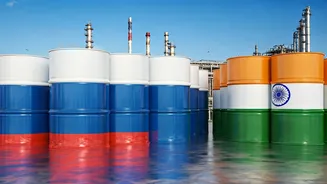
The trajectory of India's oil imports has markedly changed, specifically regarding the source of its crude oil. Russia has taken the lead as India's premier
supplier, a shift that has been quite rapid. Previously, India's oil imports were sourced from a more diverse range of countries. This shift towards Russia is a considerable deviation from prior patterns, representing a strategic realignment in the country's energy procurement strategy. The factors driving this transition warrant closer scrutiny, as they are reflective of broader economic and geopolitical shifts that influence global oil markets and India's position within them. Understanding this evolution is crucial to comprehending the current state of India's energy landscape and its future prospects in securing its energy needs. This transformation is not merely a change in figures; it encapsulates multifaceted factors that require a comprehensive examination.
Factors Behind the Shift
Several pivotal factors have coalesced to facilitate Russia's ascendance as India's main oil provider. One of the primary drivers has been the advantageous pricing offered by Russia, making its oil more competitively priced compared to offerings from other nations. This price advantage has been significant in a market where cost-effectiveness plays a crucial role. Further influencing this shift are the evolving geopolitical relations, where existing diplomatic ties between India and Russia have smoothed the path for enhanced trade cooperation. These pre-existing relationships have helped mitigate potential obstacles and foster a favorable environment for energy trade. Moreover, the broader changes in the global oil market, including factors such as sanctions and supply chain adjustments, have played a role. These events have indirectly affected the sources and pricing of oil, creating opportunities for certain suppliers, like Russia, to bolster their positions.
Impact on India's Economy
The emergence of Russia as India's primary oil supplier brings forth several significant economic implications. The most apparent benefit is related to cost efficiency. India can potentially reduce its energy import expenditure owing to more affordable oil from Russia. This has a direct effect on reducing inflationary pressures within the country, stabilizing the overall economic landscape. Furthermore, this shift bolsters India's energy security by diversifying its supply sources, decreasing its dependence on any single region. This diversification provides a buffer against external market fluctuations and geopolitical instability. However, this dependence also brings complexities. The long-term implications need to be considered carefully, particularly regarding any potential shifts in geopolitical dynamics or evolving trade regulations. These elements are key to ensuring India's sustained economic stability and energy security.
Future Prospects Analyzed
Looking ahead, the relationship between India and Russia in terms of oil trade will likely continue to evolve. Several scenarios and factors will shape the future trajectory of this dynamic. Sustained price competitiveness will remain a critical element, as any shifts in oil prices can greatly impact the attractiveness of Russian oil compared to alternatives. The geopolitical climate also poses a significant influence; any shifts in international sanctions or trade regulations could alter the ease of access and cost of the oil. Furthermore, India’s strategic energy partnerships with other nations may influence its import patterns. These partnerships might offer an alternative approach to energy supplies and could reshape the market. The long-term sustainability of this trade relationship hinges on its adaptability to these varying conditions. The ability to navigate these changes will be key to ensuring that India’s energy needs are met reliably and cost-effectively in the future.