



Gentle Milk Heating
A frequent culprit behind tough paneer is the initial heating of the milk. When milk is brought to a boil too aggressively or maintained at an overly high
temperature during the curdling process, its proteins can contract too rapidly. This rapid tightening results in the formation of dense curds that retain less moisture, ultimately leading to a chewy and unappealing final product. To avoid this, allow the milk to reach a gentle boil, then immediately reduce the heat before introducing your acidic agent. Once the milk has successfully curdled, turn off the heat without delay to prevent further cooking of the curds.
Mindful Acid Addition
While acids like lemon juice or vinegar are essential for separating milk into curds and whey, using too much can negatively impact the paneer's texture. An excess of acidity can cause the curds to become overly firm and develop a slightly gritty consistency. You might notice that the curds appear very dry and tightly packed, and the finished paneer might have a faintly sour taste or become hard once pressed. The solution is to add the acidic ingredient gradually, stirring gently, until the whey clarifies to a pale green hue. Typically, one to two tablespoons of lemon juice or vinegar suffice for a liter of milk.
Balanced Paneer Pressing
After straining the curds, pressing them is necessary to form a solid block of paneer. However, applying too much force or pressing for an extended duration can expel vital moisture, leading to a dense, less tender cheese. This excessive pressing results in paneer that is hard to cut, lacks softness, and offers a rubbery bite when cooked. To achieve the ideal consistency, use moderate weight and press for approximately 20 to 30 minutes. The paneer should be firm enough to hold its shape but still retain a slight softness.
Proper Cooling Technique
An often-overlooked yet crucial step for achieving soft paneer is proper cooling. Rinsing the strained curds with cold water before pressing helps to halt any residual cooking process, effectively locking in moisture and preserving a tender texture. This cooling action also serves to wash away any lingering excess acidity that could otherwise contribute to a tougher cheese. By briefly rinsing the curds under cold water after draining them through a muslin cloth, you ensure a more delicate and yielding final product.
Selecting Quality Milk
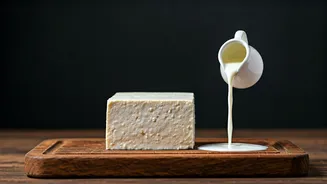
The type of milk used significantly influences the texture of homemade paneer. For the creamiest and softest results, opt for fresh, full-fat milk. Milk with a higher fat content naturally yields curds that are richer and more tender. Conversely, using toned or skimmed milk, or ultra-processed long-life varieties, often leads to a firmer, more rubbery paneer due to their lower fat composition. Prioritizing fresh, high-fat milk is a fundamental step towards achieving delightful homemade paneer.