


Why Scalp Damage Hides
Your scalp is a prime target for summer's harsh elements, yet its vulnerability often goes unnoticed. We tend to believe our hair offers ample protection,
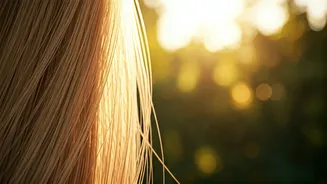
but this is a misconception. The scalp, directly exposed to prolonged sun, sweat, and environmental pollutants, suffers significant stress. Unlike the skin on our face or arms, scalp damage isn't immediately visible due to the hair covering. Redness or dryness are easily missed, leading to a delayed recognition of issues like tightness, itchiness, or hair that feels unexpectedly lifeless. By the time these symptoms become apparent, the scalp has often been enduring heat, dehydration, and irritation for an extended period, making early detection and prevention crucial for maintaining scalp health and hair vitality.
Spotting Subtle Signals
Scalp distress in summer doesn't always manifest dramatically. It often begins with subtle indicators that are easily dismissed as typical summer discomfort. Persistent itchiness that appears and disappears, a feeling of tightness or dryness that lingers even after washing, or an unusual increase in oiliness within a day are all potential red flags. You might also notice your hair losing its volume and feeling limp, regardless of your styling efforts. These aren't mere annoyances; they are your scalp's way of communicating that it's struggling to cope with the environmental pressures. Ignoring these early signs means missing a critical window to intervene and prevent more significant problems, such as irritation, flaking, or even compromised hair growth.
The Buildup Effect
Summer's heat significantly increases both sweat and oil production on your scalp. While this is a natural bodily response, the combination of this excess sebum and perspiration with accumulated dust, pollution particles, and leftover styling product residue creates a detrimental buildup. This sticky layer clogs hair follicles, impeding their normal function and creating an environment ripe for issues like dandruff, persistent itching, and scalp irritation. The compromised state of the scalp can also lead to an unpleasant odor, and in more severe cases, can weaken the hair roots, potentially contributing to increased hair fall and overall deterioration of scalp health. This unseen congestion prevents the scalp from breathing and functioning optimally, impacting hair's appearance and resilience.
Summer Habit Pitfalls
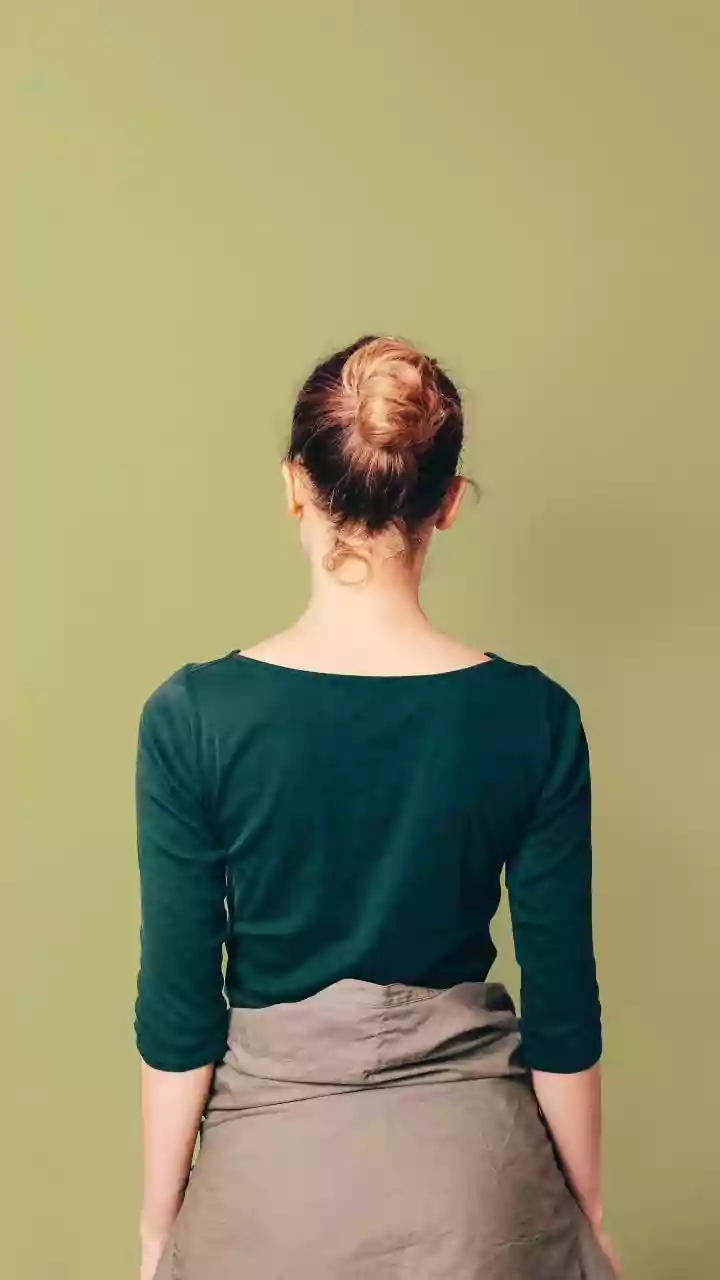
Certain summer routines, seemingly logical, can inadvertently exacerbate scalp problems. For instance, washing hair more frequently due to perceived greasiness can strip away essential natural oils, prompting the scalp to overcompensate by producing even more oil. This creates a cyclical imbalance where the scalp becomes both excessively oily and increasingly dry and irritated. Similarly, tight hairstyles like ponytails or buns trap heat and moisture against the scalp, while also exerting constant tension on hair roots, potentially weakening them over time. The liberal use of dry shampoos and styling sprays can further contribute to pore congestion. These habits, when combined with summer heat and humidity, create a perfect storm for scalp issues, highlighting the need for a more balanced approach to hair and scalp care.
Nourishing Scalp Solutions
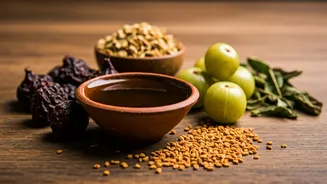
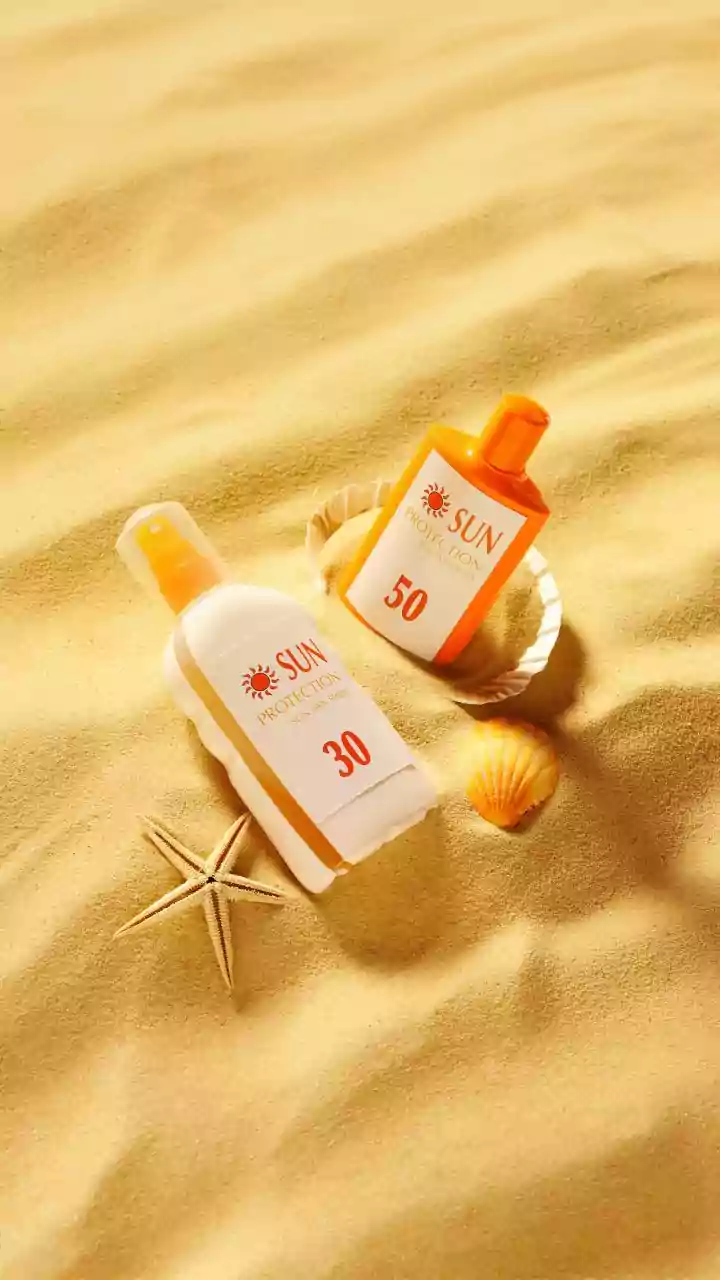
To combat summer scalp stress, incorporating specific ingredients and practices is key. Opt for formulations that offer soothing, cleansing, and balancing benefits without being overly harsh. Aloe vera excels at calming irritation and providing much-needed hydration, while tea tree oil can help regulate excess oil production and impart a refreshing sensation. Mild exfoliants like salicylic acid are beneficial for gently removing buildup and unclogging pores. Ingredients such as niacinamide can support overall scalp health and improve oil management. For immediate relief from heat, menthol or peppermint extracts offer a cooling effect. Integrating a gentle weekly scalp exfoliation, using lightweight, non-comedogenic serums, and maintaining a regular, yet not excessive, washing routine are vital steps. Don't underestimate the power of physical protection like hats or scarves against direct UV rays.
Scalp: Your Skin
It's crucial to remember that your scalp is, in fact, skin and deserves the same protective considerations as the rest of your body during summer. It sweats, it can burn under the sun, and it's prone to irritation and the accumulation of residue. The presence of hair shouldn't lull you into a false sense of security; instead, it often masks the damage until it becomes more severe and impacts your hair's texture and appearance. Pay close attention to the subtle signals your scalp sends – the persistent itch, the tight sensation, the rapid return of oiliness, or hair that struggles to maintain volume. These are not minor inconveniences but clear indicators that your scalp requires attention and care to remain healthy and support robust hair growth throughout the summer months and beyond.