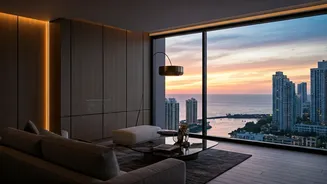


Intentional, Lived-In Design
Shaan's Mumbai residence, a triplex designed with purpose, immediately conveys a sense of intentionality rather than mere extravagance. The interiors masterfully
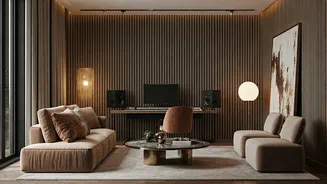
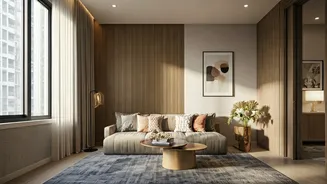
balance the demands of a creative professional with the warmth and comfort essential for family life. This equilibrium is palpable as one observes the family's interactions within the space, which features a palette of earthy tones and varied textures. The layout thoughtfully delineates zones for both focused work and relaxed repose, fostering an atmosphere that feels genuinely lived-in and welcoming. This design philosophy underscores the home's role as a personal sanctuary, a place where professional pursuits and family bonds coexist harmoniously, creating an environment that is both inspiring and grounding for all who reside there.
Family at the Core
The heart of Shaan's Mumbai triplex lies in its deep integration of family values into its architectural and decorative framework. The sentiment 'Family makes this house a home' is not just a decorative quote but a guiding principle reflected throughout the space. This is evident in the presence of inviting seating nooks and an open-plan dining area, both designed to encourage communal gathering and shared experiences. The triplex structure itself facilitates this familial rhythm, with Shaan explaining the functional separation of spaces across different levels, including a dedicated studio on the first floor. This thoughtful arrangement ensures that diverse needs and moods are catered to, reinforcing the home's role as a nurturing environment for familial connection and individual expression, all orchestrated by the design sensibilities of his wife, Radhika Mukherjee.
The Art of Evolution
The interior design of Shaan's Mumbai home is a testament to an embracing of evolution rather than a pursuit of static perfection. Radhika Mukherjee's creative direction is central to this dynamic approach, acknowledged by host Farah Khan as a 'stunning job.' The family's own son highlights this fluidity, noting, 'Mom is always changing something in the house.' This constant, yet intentional, adaptation makes the space feel alive and responsive to the family's evolving lifestyle and preferences. This approach to home design, characterized by ongoing, considered adjustments, prevents the dwelling from becoming stagnant, instead fostering an environment that continually reflects the family's current chapter. It embodies a philosophy where a home is a living entity, growing and changing alongside its inhabitants, ensuring enduring relevance and personal connection.
Creativity Meets Comfort
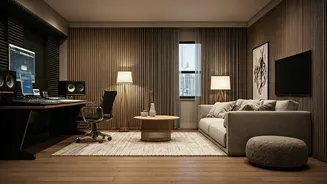
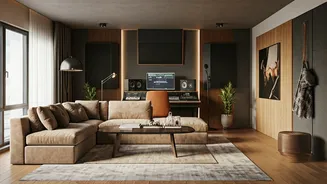
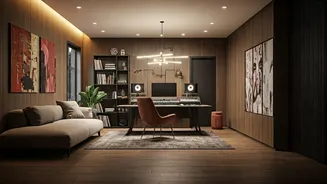
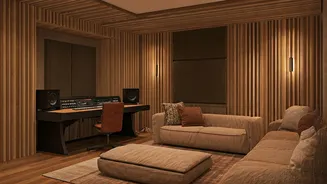
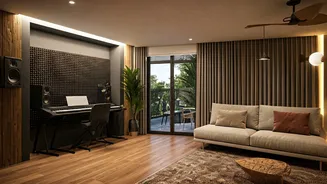
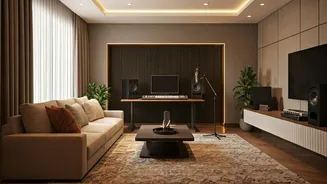
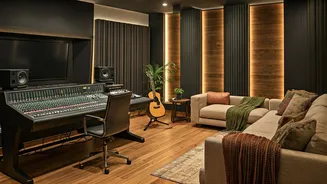
Integrating creative pursuits into the fabric of daily life is a hallmark of Shaan's home. The residence features a dedicated music studio, serving as a professional hub for Shaan and his sons, fostering a shared passion. Beyond this formal space, the home incorporates casual areas that artfully blend work and leisure, blurring the lines between professional and personal domains in a natural, organic manner. This seamless integration allows for creative flow and relaxation without the need for strict demarcation. This design choice acknowledges that inspiration can strike anywhere and that comfort is crucial for productivity. By creating versatile spaces, the home becomes a dynamic environment that supports both focused artistic endeavor and the necessary downtime for rejuvenation, embodying a holistic approach to modern living where work and life are not separate but intertwined.
Psychology of Warm Spaces
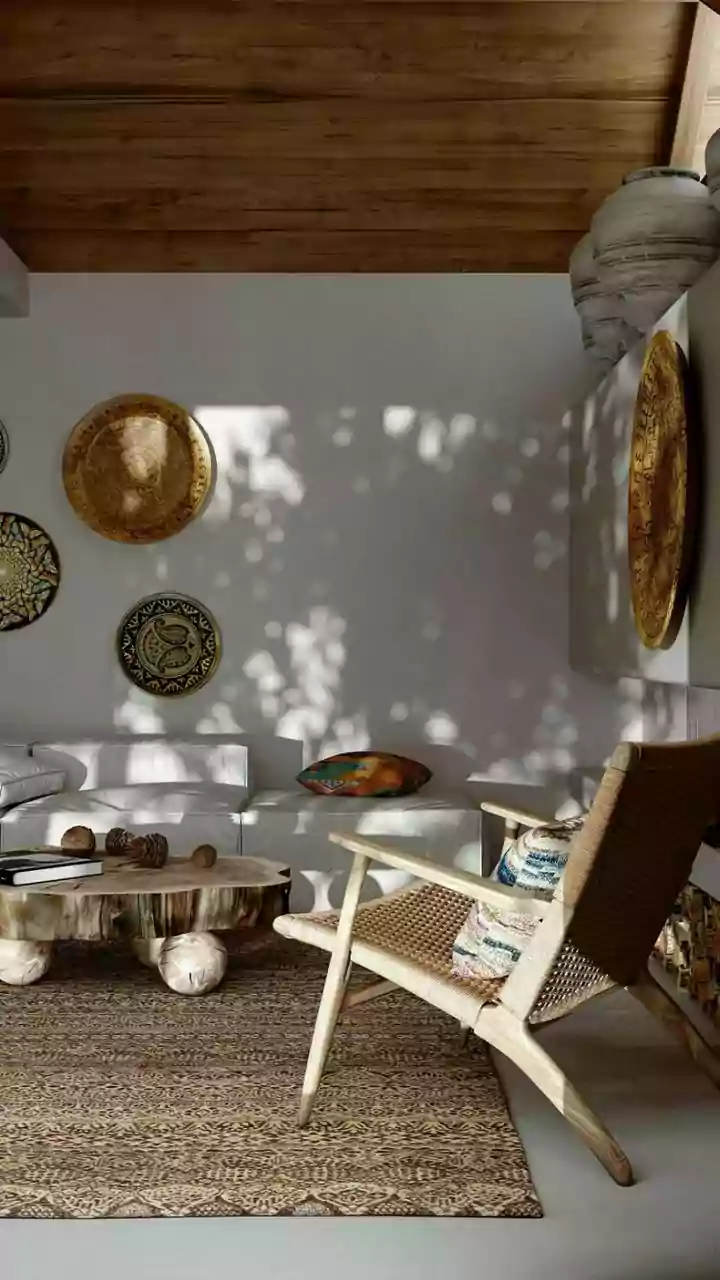
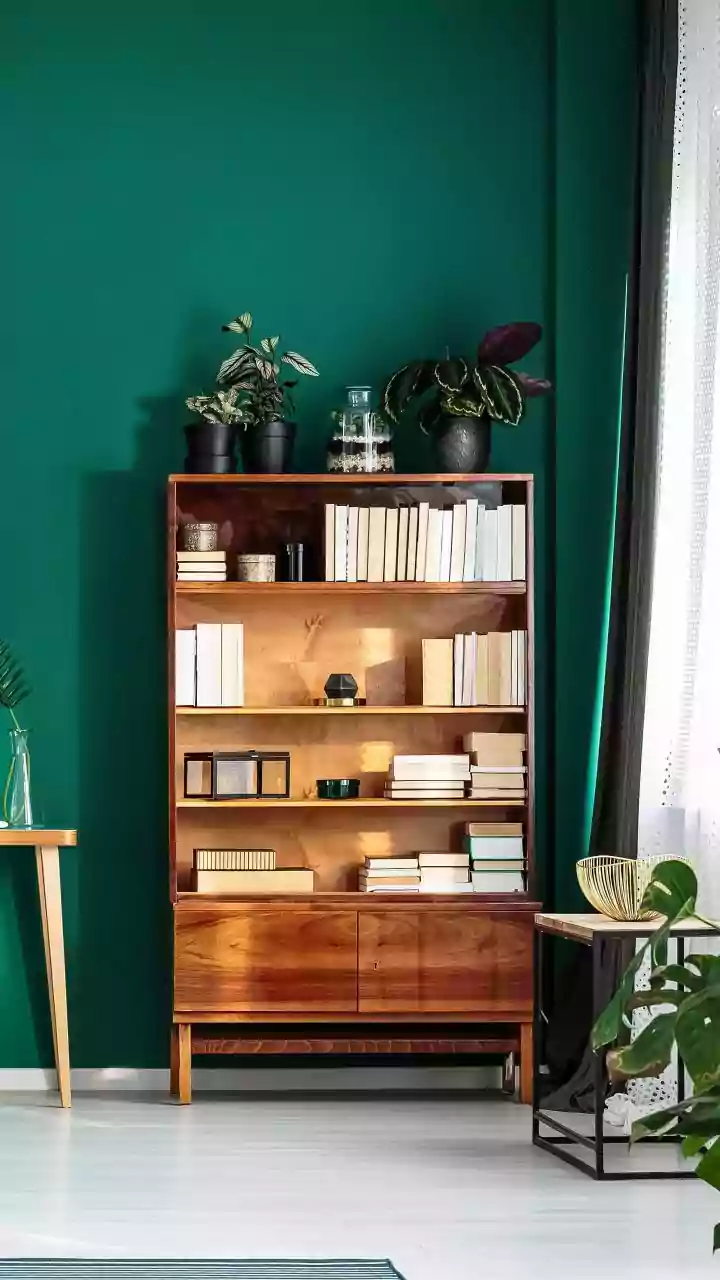
From a psychological standpoint, environments characterized by warmth, natural color palettes, and communal areas cultivate a profound sense of safety and well-being. As explained by Sonal Khangarot, a psychotherapist, colors derived from nature—such as browns, beiges, and muted greens—are perceived by the brain as familiar and comforting, which aids in regulating the nervous system and lowering stress levels. The presence of shared spaces is equally vital, offering organic opportunities for family members to connect during everyday activities, thereby reinforcing feelings of belonging and predictability, which are fundamental to emotional security. Additionally, warm lighting and soft textures minimize sensory overload, facilitating easier relaxation. Over time, such thoughtfully designed environments condition the mind to associate home with calm and support, moving away from tension or isolation, proving that interior design significantly impacts psychological comfort and perceived security.
The Evolving Home's Impact
The psychological implications of a constantly evolving home environment can be varied, offering both stimulation and potential instability, contingent on the frequency and intent behind the changes. Moderate, purposeful modifications, such as updating decor or rearranging furniture, can invigorate mental engagement, spark creativity, and foster a sense of renewal by introducing novelty. However, excessively frequent or inconsistent alterations can disrupt an individual's inherent need for environmental stability, potentially leading to feelings of restlessness or subtle anxiety, especially for those more sensitive to change. The key, as highlighted by Khangarot, lies in achieving a balance: maintaining stable 'emotional anchors' within the home, like familiar personal items or favorite corners, while still allowing for periodic updates. This approach ensures the home remains both engaging and reassuring, supporting psychological comfort without sacrificing the benefits of a dynamic living space.