




The Viral Phenomenon
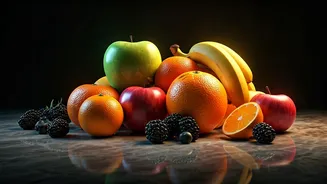
In recent times, the digital landscape has been inundated with a peculiar form of imagery: AI-generated pictures of fruits. These creations, often characterized
by their surreal and sometimes nonsensical arrangements, have quickly earned the moniker 'AI fruit slop' and have become a viral sensation across various social media platforms. Their widespread appeal lies in their sheer oddity and the unexpected visual narratives they present. From fruits melting into abstract shapes to impossible culinary concoctions, these images have captured the internet's imagination, leading to widespread sharing and discussion. This unexpected surge in AI-generated fruit art signifies a new and somewhat bewildering chapter in the evolution of digital content, prompting many to question the origins and implications of such readily available, yet often bizarre, visual output. The ease with which these images can be produced and disseminated has made them a ubiquitous part of our online experience, sparking both amusement and a deeper contemplation of artificial intelligence's creative capabilities.
Debating Digital Art
The proliferation of 'AI fruit slop' has ignited a passionate discourse concerning the place of artificial intelligence within the realm of art and creativity. On one side of the debate are those who view these AI-generated visuals as a groundbreaking expansion of artistic possibilities, a new frontier where human imagination can collaborate with machine intelligence to produce novel aesthetics. They champion AI as a tool that can democratize art creation, allowing for the exploration of concepts and styles previously unattainable. Conversely, a significant segment of the community voices apprehension. Their concerns center on the potential for AI to dilute the value of human artistry, leading to a saturation of low-quality, derivative content that overwhelms more thoughtful and handcrafted works. This perspective emphasizes the unique essence of human experience, emotion, and intent that they believe AI cannot replicate. The conversation extends to the ethical considerations of authorship and originality, raising questions about who truly creates art when algorithms are involved, and what this means for artists and the art market moving forward.
Creativity's Evolving Future
The ongoing saga of AI-generated fruit imagery serves as a compelling case study for understanding the dynamic interplay between technology and human creative expression. It underscores the profound shifts occurring in how we define, produce, and consume art in the digital age. As AI tools become more sophisticated and accessible, the lines between human and machine creativity blur, presenting both exciting opportunities and significant challenges. This evolving landscape forces us to reconsider traditional notions of originality and authorship, prompting a re-evaluation of what it means to be an artist. The widespread fascination with these often surreal fruit visuals highlights a cultural moment where the public is grappling with the implications of increasingly capable artificial intelligence. Navigating this new territory requires a thoughtful approach, balancing the embrace of technological innovation with a mindful consideration of its impact on human endeavors and the preservation of unique artistic voices. The future of creativity is undoubtedly intertwined with AI, and understanding phenomena like 'AI fruit slop' offers valuable insights into this unfolding narrative.