





Introduction to Flavors
Embarking on a culinary journey requires a foundational understanding of the principles of cooking. It involves not only the techniques used but also the ingredients
that will create unique experiences. Flavors arise from the interaction of different ingredients, the heat applied during cooking, and the timing of each step. The primary flavors include sweet, sour, salty, bitter, and umami. Understanding and balancing these primary flavors is crucial for creating dishes that are well-rounded and delicious. Additionally, one should consider texture, which further enhances the food's sensory appeal. Consider the importance of seasoning; it can transform a bland dish into a flavorful feast. Seasoning doesn't merely refer to the addition of salt and pepper; it involves using a variety of herbs, spices, and other flavor enhancers to create the desired taste profile. The choice of herbs and spices is crucial. Each herb and spice brings its unique aroma and taste to the table. Herbs are often used fresh or dried, adding a subtle touch to dishes. Spices are usually derived from seeds, fruits, roots, or bark, providing a more intense flavor. It is essential to select and use spices that complement each other and the main ingredients of the dish.
Mastering Kitchen Basics
To begin cooking effectively, mastering kitchen basics is essential. The tools and equipment needed can make or break the cooking experience. Start with the essential tools like knives; the quality of your knives greatly impacts the precision of your work. The basic set should include a chef's knife, a paring knife, and a serrated knife. Selecting the right cookware is also a key factor. Non-stick pans are great for eggs and delicate foods. Cast iron pans are essential for searing and high-heat cooking. Stainless steel cookware offers durability and versatility. Now, consider the cooking techniques. Sautéing involves cooking food quickly in a pan with a small amount of oil. Grilling offers a smoky flavor. Baking involves using a preheated oven to cook food. Then, consider the basics of food preparation. Start with the proper preparation of ingredients. Wash and chop vegetables, trim meat, and measure ingredients to prepare ingredients for your cooking endeavors. Accurate measurements are crucial in baking, where the ratios of ingredients are vital. In savory dishes, using the right amount of ingredients is key to achieving a balanced flavor profile. It's also important to learn about food safety. Always wash your hands before handling food, use separate cutting boards for meat and vegetables, and cook food to the appropriate internal temperature.
Delightful Starter Recipes
Starting with simple, crowd-pleasing recipes is a great way to build confidence in the kitchen. For starters, let’s begin with a simple salad. A basic salad can be a mix of lettuce, tomatoes, cucumbers, and a simple vinaigrette. Next, we have a quick pasta dish. Cook pasta according to the package directions, then toss it with a tomato sauce and your favorite herbs. Stir-fries are easy and incredibly versatile. Cut vegetables and protein into bite-sized pieces and cook them in a wok or large pan. Finally, consider a one-pan chicken and vegetable bake. This is a very easy way of preparing a full meal. Place chicken and vegetables on a baking sheet, drizzle with olive oil, season, and bake. The beauty of these beginner recipes is in their simplicity and flexibility; feel free to experiment with different ingredients and flavors to personalize each dish according to your taste and preference.
Exploring Cooking Methods
Exploring the world of cooking methods unlocks a new level of culinary creativity. Consider the art of searing. Searing involves cooking food at high heat to create a flavorful crust. It is often used for meats and seafood, adding both flavor and texture. Braising is an excellent way to prepare tougher cuts of meat. The food is seared first and then cooked slowly in liquid, resulting in a tender and flavorful dish. Steaming is a healthy and gentle method. It helps preserve nutrients and is ideal for vegetables, seafood, and dumplings. Grilling brings a smoky flavor to food and is perfect for various foods, from vegetables to meat. Frying requires you to carefully heat oil to a specific temperature and involves submerging food for a crispy texture. Baking is essential for creating bread, cakes, and other baked goods, requiring accurate measurement and temperature control. Each of these methods brings unique flavors and textures, expanding your culinary repertoire and allowing you to prepare a variety of delicious meals.
Spice Rack Secrets
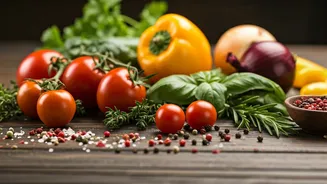
The spice rack is a cook's secret weapon, capable of transforming simple ingredients into complex and flavorful dishes. Begin with the basics: salt, black pepper, and garlic powder are the foundation of many dishes. Salt enhances the natural flavors of food, and black pepper adds a touch of heat. Garlic powder provides a pungent aroma. Next, explore herbs and spices: basil, oregano, and thyme are popular in Italian cuisine. Coriander, cumin, and turmeric are key in Indian and Middle Eastern cooking. Chili powder, paprika, and cayenne pepper offer different levels of heat and flavor. Proper storage is also important for maintaining the quality of your spices. Store them in airtight containers, away from light and heat. Over time, spices lose their potency; it's best to replace them every six months to a year for optimal flavor. Experiment with different combinations to discover your favorites. Don't be afraid to try new flavors and blends; your spice rack is the key to unlocking the full potential of your cooking.
Delicious Dessert Recipes
No culinary journey is complete without a selection of tempting dessert recipes! Begin with a simple fruit crumble. Combine fruit with a streusel topping and bake until golden brown. Next, consider homemade cookies. Start with chocolate chip cookies; they're always a crowd-pleaser! Brownies are a chocolate lover's dream; use quality chocolate and follow the recipe precisely for a perfect texture. Puddings and custards offer creamy comfort. The custard requires the precise balance of heat and time to achieve the ideal texture. Finally, consider ice cream; it is a very simple recipe. To make great desserts, you must pay close attention to your recipes. Baking is a science; accurate measurements and precise techniques make all the difference. Practice makes perfect, so don't be discouraged if your first attempts aren't flawless.
Tips for Successful Cooking
Success in the kitchen depends on more than just recipes; it also requires a certain mindset and skill set. Organization is key. Before you start cooking, gather all your ingredients, tools, and equipment. Read the entire recipe before beginning to ensure you understand all the steps. Taste as you go. It's the best way to adjust seasoning and ensure the flavors are balanced. Don't be afraid to experiment. Use the recipes as a starting point. Cooking is creative; you should feel free to adapt them to your tastes. Clean as you go. The kitchen becomes a mess quickly. Cleaning your dishes and wiping your surfaces as you go makes cooking less stressful. Learn from your mistakes. Not every dish will be perfect the first time. The best chefs continue to learn and improve. Finally, be patient. Cooking takes time. Allow time to master new techniques and create delicious food.
Common Cooking Mistakes
Even experienced cooks make mistakes. Recognizing and avoiding common pitfalls can help you improve your cooking skills. One common mistake is overcrowding the pan. When you overcrowd, the food steams instead of browning properly. Another common mistake is under-seasoning. Season your food at every stage of cooking, and taste often. Overcooking is another frequent mistake. Overcooked meat becomes dry and tough, so always use a meat thermometer. Finally, inaccurate measurements can ruin a dish. Always use the right measuring tools, and follow the recipe carefully. Other common mistakes include using dull knives, which makes it harder to chop ingredients, or using the wrong type of oil for cooking. Recognizing and correcting these mistakes will significantly improve your dishes. Pay attention to your cooking and learn from each experience; this is the best way to become a better cook.