

Bumthang: Spiritual Heartland
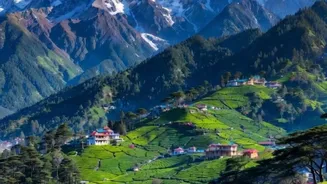
Often hailed as the spiritual core of Bhutan, the Bumthang Valley is not a single entity but rather a collection of distinct valleys brimming with sacred
sites and ancient monasteries. It stands as a testament to the kingdom's deep Buddhist heritage. Among its most revered landmarks is Jambay Lhakhang, a temple considered to be one of the oldest in Bhutan, offering a profound connection to the country's spiritual past. The numerous monastic complexes and the tranquil atmosphere make Bumthang an essential destination for those seeking inner peace and a deeper understanding of Bhutanese spirituality. The surrounding landscapes, with their rolling hills and traditional architecture, further enhance the serene ambiance, inviting contemplation and reflection. This region truly embodies the essence of Bhutan's religious devotion and cultural richness, providing a stark contrast to the more frequented tourist spots, and offering a glimpse into the daily lives of monks and villagers deeply connected to their traditions.
Haa Valley: Pristine Serenity
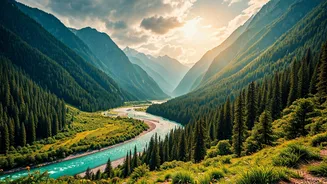
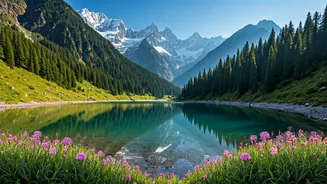
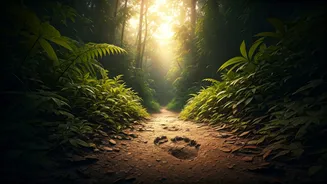
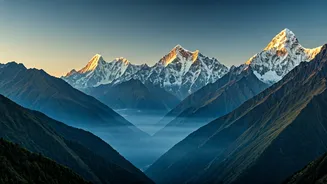
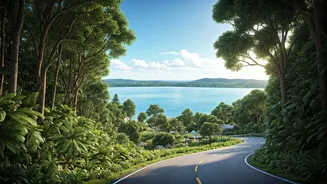
Nestled away from the bustling tourist circuits, Haa Valley presents itself as one of Bhutan's most secluded and least explored territories. It is celebrated for its untouched natural splendor, characterized by verdant, pristine forests that stretch across the landscape, alongside charming traditional villages that retain their age-old architectural styles. The valley also boasts magnificent mountain vistas, offering a breathtaking panorama for visitors. Haa provides an exceptionally peaceful experience, allowing travelers to escape the crowds and immerse themselves in tranquility. Key to its charm are ancient temples such as Lhakhang Karpo (White Temple) and Lhakhang Nagpo (Black Temple), which hold significant historical and religious importance. Exploring Haa is akin to stepping back in time, where the rhythm of life is dictated by nature and tradition, offering a truly authentic encounter with Bhutanese rural life and its unadulterated natural beauty.
Lhuentse: Ancestral Roots
Lhuentse, a region renowned for its deep cultural heritage and remote location, holds the distinction of being the ancestral homeland of Bhutan’s royal family. This connection imbues the area with a unique sense of historical significance. Beyond its royal ties, Lhuentse is especially famous for its exquisite textiles and the masterful traditional weaving techniques practiced by its people. The region is particularly celebrated for producing Kishuthara, a luxurious and intricate woven fabric that showcases exceptional craftsmanship. Visitors to Lhuentse can witness these ancient art forms firsthand, interacting with local artisans and learning about the intricate process of creating these beautiful garments. The landscape itself is dramatic, with rugged terrain and traditional Bhutanese architecture dotting the valleys, providing a picturesque backdrop to its rich cultural tapestry. It’s a destination that offers a profound insight into Bhutanese artistry and its noble lineage.
Merak: Highland Nomads
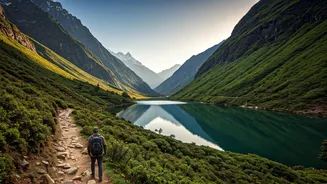
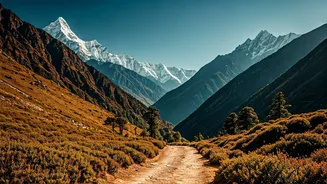
Situated in the distant Trashigang District, Merak stands as a remote highland village, offering a unique cultural experience centered around the semi-nomadic Brokpa community. This isolated settlement provides an extraordinary opportunity to witness and engage with distinct traditions that have persevered through generations. Visitors can gain intimate insights into their unique way of life, which is deeply intertwined with yak herding, a practice that sustains their livelihood in the challenging alpine environment. The landscapes surrounding Merak are absolutely breathtaking, characterized by vast, open alpine terrains that are rarely encountered by typical tourists. The stark beauty of the high-altitude environment, combined with the resilience and distinct customs of the Brokpa people, makes Merak an unforgettable destination for those seeking an authentic and immersive cultural adventure far off the conventional tourist path.
Phobjikha: Crane Sanctuary
The Phobjikha Valley, a magnificent U-shaped glacial expanse, is globally recognized as the cherished winter habitat for the endangered Black-necked Crane. This picturesque valley is enveloped by undulating hills and dotted with traditional farmhouses, creating a serene and idyllic rural tableau. For nature enthusiasts and those seeking tranquility, Phobjikha offers a network of peaceful hiking trails that meander through its stunning natural scenery, allowing for intimate exploration of its unique ecosystem. Dominating the landscape from a prominent vantage point is the beautiful Gangtey Monastery, a significant religious institution that overlooks the entire valley. The juxtaposition of the graceful cranes, the rolling hills, and the spiritual presence of the monastery creates an atmosphere of profound peace and natural wonder, making it a vital destination for ecotourism and cultural immersion.
Trongsa: Royal Fortress
Perched dramatically on a high ridge, affording commanding views over deep, verdant valleys, Trongsa is a town of immense historical and architectural significance. It is home to the spectacular Trongsa Dzong, which stands as the largest and arguably the most imposing dzong fortress in all of Bhutan. This magnificent structure is not just a marvel of Bhutanese architecture but also a vital administrative and religious center, deeply intertwined with the nation's history. Beyond the imposing presence of the dzong, the town offers breathtaking panoramic views of the surrounding mountainous terrain. Visiting Trongsa provides an invaluable glimpse into Bhutan’s rich royal history and its strategic past. The sheer scale of the fortress and its commanding location underscore its historical importance as a key defensive position and a symbol of Bhutanese power and heritage.