
Sugary Drinks
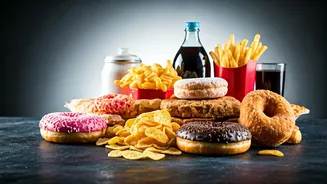
Sugary beverages often top the list of culprits when aiming for weight loss, and for good reason. These drinks, including sodas, fruit juices (even those
labeled "natural"), and sweetened teas, are loaded with empty calories. This contributes significantly to weight gain because the body doesn't register liquid calories the same way as solid foods, leading to overconsumption. Regularly consuming these drinks spikes blood sugar levels, which can lead to insulin resistance and increased fat storage. Replacing these with water, unsweetened tea, or infused water can drastically improve your weight loss efforts. If you crave something sweet, try adding a small amount of fruit to your water for natural flavor.
Fried Foods
Fried foods, a staple in many diets, are notorious for their high-calorie content and negative impact on weight loss. The process of frying adds a significant amount of fat, increasing the caloric density of the food. These foods are often cooked in unhealthy oils, contributing to inflammation and potentially hindering metabolic processes. The high fat content is also harder to digest, which can lead to bloating and discomfort. Opting for healthier cooking methods, such as baking, grilling, steaming, or air frying, can drastically cut down on calorie and fat intake. This helps you enjoy your favorite foods while supporting your weight loss ambitions. Consider oven-baking your favorite vegetables with a dash of olive oil instead.
White Bread and Refined Carbs
White bread and refined carbohydrates, often found in processed foods, are quickly converted into glucose, causing rapid spikes in blood sugar. These foods lack the fiber and nutrients found in whole grains, leaving you feeling hungry soon after consumption. High blood sugar spikes trigger the release of insulin, promoting fat storage. The lack of fiber also reduces satiety, making you prone to overeating. A simple swap to whole-grain bread, brown rice, or quinoa can help stabilize blood sugar levels, increase feelings of fullness, and support sustainable weight loss. These whole-grain alternatives provide essential nutrients and fiber, aiding in overall health.
Processed Snacks
Processed snacks, such as chips, crackers, and packaged cookies, are typically laden with unhealthy fats, sodium, and added sugars, providing very little nutritional value. They often contain high levels of trans fats and saturated fats, which are detrimental to health and can contribute to weight gain. These snacks are also engineered to be highly palatable, leading to overeating and making it difficult to control portion sizes. Choosing healthier snack alternatives, like fruits, vegetables with hummus, or a handful of nuts, helps you satisfy cravings without derailing your weight loss goals. These options offer fiber, vitamins, and minerals that promote satiety and support overall health.
Ice Cream & Desserts
Ice cream and sugary desserts, while tempting, often pack a significant calorie punch without offering substantial nutritional benefits. These treats are high in sugar, which can lead to blood sugar spikes and crashes, potentially causing cravings and overeating. They also tend to be high in saturated fats and added sugars, contributing to weight gain and increasing the risk of chronic diseases. If you're craving something sweet, consider healthier alternatives such as fresh fruit, a small serving of Greek yogurt with berries, or a homemade dessert sweetened with natural ingredients like honey or stevia. These options satisfy your sweet tooth without the added calories and unhealthy ingredients.
Heavy Creamy Sauces
Heavy creamy sauces, frequently used to enhance the flavor of dishes, often contribute to excess calorie intake and weight gain. These sauces are typically made with cream, butter, and cheese, all of which are high in fat and calories. They can quickly turn a relatively healthy meal into a high-calorie feast. To lighten up your meals, opt for lighter sauces made from vegetables, such as tomato-based sauces, or those with a base of broth or yogurt. Adding herbs and spices can also enhance flavor without adding excessive calories. This approach allows you to enjoy flavorful meals while supporting your weight loss efforts. Try substituting heavy cream with plain Greek yogurt for a healthier alternative.
Processed Meats
Processed meats, including bacon, sausages, and deli meats, are often high in sodium, unhealthy fats, and preservatives. These meats are linked to an increased risk of heart disease and may contribute to weight gain. They typically contain added nitrates and nitrites, which are sometimes associated with health concerns. Opting for lean protein sources such as chicken breast, fish, or plant-based proteins can support your weight loss efforts and provide essential nutrients. Carefully read food labels and make informed choices to support your overall health and well-being. Choosing unprocessed foods will improve overall health.
Excess Alcohol
Excess alcohol consumption can significantly hinder weight loss progress due to its high-calorie content and potential impact on metabolism. Alcohol is often referred to as 'empty calories' because it provides little to no nutritional value. It can also interfere with fat burning and may lower inhibitions, leading to overeating. Moderate alcohol consumption, or abstaining altogether, can be beneficial for weight loss. If you choose to drink, do so in moderation and consider lower-calorie options. Drinking water between alcoholic beverages can also help reduce calorie intake and promote hydration. Be mindful of added sugars in cocktails and opt for light beers or wine to lessen the impact.