
Beyond Modern Lipstick
Centuries before the advent of commercial lipsticks and glosses, ancient Indian beauty rituals were deeply rooted in Ayurvedic principles and the utilization
of natural botanical extracts and pigments. These ingredients served not only as vibrant coloring agents but also as beneficial skincare components. Lip coloration was an art form, employing readily available natural substances that were often multitasking, used for both lips and as a gentle blush on the cheeks. This era embraced a holistic approach to beauty, where ingredients were chosen for their inherent properties and their ability to enhance natural radiance, laying the groundwork for what we now consider 'clean beauty' and the quest for authentic, skin-loving cosmetics. The focus was on enhancing inherent beauty through nature's bounty, a stark contrast to the chemically formulated products of today, yet holding a profound wisdom that resonates even now.
Beetroot's Crimson Kiss
Beetroot, a powerhouse of betalain pigments, was a cornerstone in ancient Indian lip coloring. Its vibrant compounds yield a rich spectrum of shades, ranging from deep, luscious reds to delicate pinks, which were expertly used to stain the lips naturally. Beyond its coloring capabilities, beetroot was also valued for its hydrating and nourishing properties. This dual action provided lips with a soft, moisturized feel and a beautiful, natural flush that mimicked a 'no-makeup' look. Even in contemporary times, numerous beauty brands endeavor to recreate the subtle yet captivating effect that natural beetroot effortlessly achieved, highlighting the enduring appeal of this ancient ingredient in modern cosmetic formulations and a testament to its efficacy.
Floral Pigments' Gentle Glow
Ancient Indian beauty traditions extensively incorporated flower pigments to achieve a diverse palette of lip colors. Petals from flowers such as roses and bougainvillea were meticulously crushed to extract their natural colorants. These vibrant extracts were then masterfully blended with nourishing oils and beeswax, resulting in balmy lip formulations that offered a range of hues from striking reds to soft, inviting pinks. This practice underscored the belief in nature's ability to provide not only color but also soothing and beneficial properties for the skin. The use of flowers was a testament to the resourcefulness and aesthetic sensibilities of the time, transforming botanical elements into sophisticated beauty enhancers that contributed to a radiant and natural appearance, celebrated across various social strata.
Lac: Royal Red Hue
Lac, also known as Laksha, was a highly esteemed natural dye in ancient India, derived from the resin secreted by specific insects. This precious substance yielded a remarkably glossy and deep red pigment, strongly associated with royalty and significant cultural rituals. Its application extended beyond the lips, where it was also utilized as 'alta' for adorning the feet and hands, and even as a subtle blush on the cheeks. The profound richness and luxurious sheen of lac quickly positioned it as a symbol of sensuality and elevated social status, making it a coveted cosmetic among the elite. Its enduring allure highlights a sophisticated understanding of natural colorants and their potent cultural significance in shaping perceptions of beauty and prestige.
Saffron and Turmeric Blend
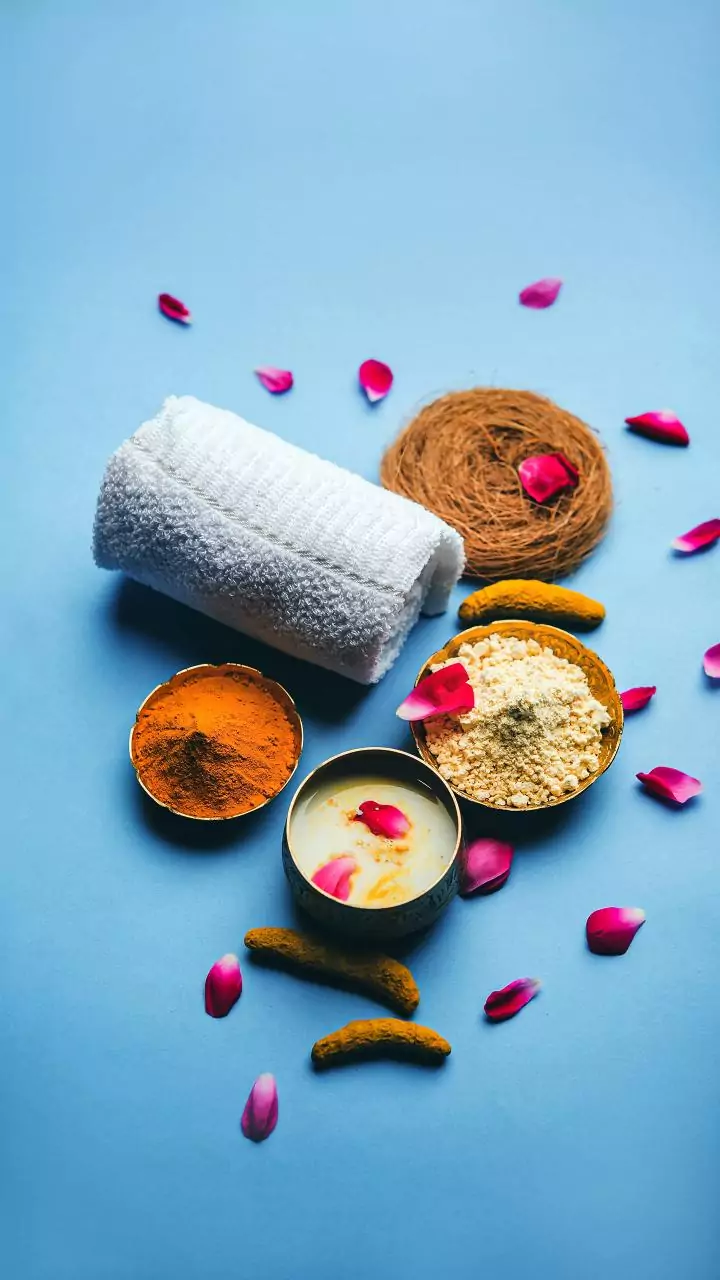
Not all ancient lip colors were confined to red tones; some offered a softer, luminous radiance. Saffron, or 'kesar,' was particularly prized for its delicate orangish-golden glow. When artfully combined with turmeric and other natural ingredients like essential oils or beeswax, this blend produced a warm, inviting orangish hue that imparted a beautiful sheen. This particular concoction was favored by brides for its auspicious connotations and by queens who appreciated a subtle, glossy finish. It offered a sophisticated alternative to deeper shades, providing a look of ethereal beauty and understated elegance that complemented their regal presence and ceremonial attire.
Manjistha's Earthy Radiance
Manjistha stands as a cornerstone ingredient in Ayurvedic beauty practices, widely recognized for its coloring prowess and skincare benefits. This versatile herb imparts a beautiful earthy red to pink tone, and it continues to be processed into pastes and powders even today for cosmetic and therapeutic uses. Beyond its aesthetic contributions, Manjistha is celebrated in Ayurveda for its blood-purifying properties, which are believed to enhance overall skin health from within. For a smooth application and enhanced efficacy, it was traditionally mixed with oils and ghee. This ancient ingredient is a prime example of 'clean beauty' principles, offering natural color and holistic benefits in a single, potent formulation, embodying a tradition of wellness-infused cosmetics.