




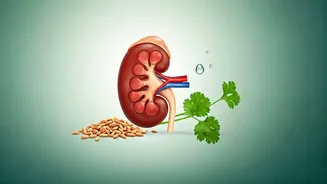

Whey Protein: What It Is
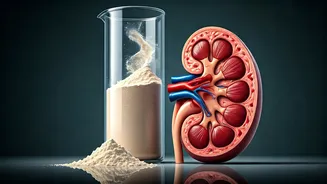
Whey protein, a prime byproduct of the cheese-making industry, is a complete protein source, meaning it provides all the essential amino acids your body
needs. Its rapid absorption rate makes it a favorite among athletes and those focused on muscle development. Supplement forms include concentrate, which retains some fats and carbohydrates; isolate, a more purified version with minimal fat and lactose; and hydrolysate, pre-digested for even quicker uptake. Due to its high quality, whey protein aids in muscle repair, post-exercise recovery, and can bridge dietary protein gaps when whole food intake is insufficient.
Why Protein Matters
Protein is an indispensable macronutrient crucial for numerous bodily functions. It's the building block for tissues, vital for muscle synthesis, essential for creating enzymes and hormones, and plays a role in maintaining a robust immune system. For the average healthy adult, the recommended daily protein intake hovers around 0.8 grams per kilogram of body weight. However, individuals engaged in rigorous physical training or athletic pursuits may need significantly more, ranging from 1.2 to 2.0 grams per kilogram, contingent on their activity intensity. Issues often arise when individuals supplement their already sufficient diets with protein powders without a clear understanding of their actual nutritional requirements, potentially leading to excessive intake.
Kidneys' Protein Processing
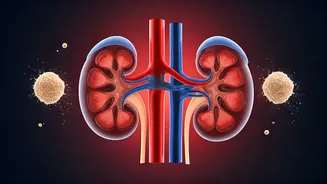
The body metabolizes protein, generating waste products like urea, which are nitrogenous compounds. Your kidneys are the primary organs responsible for filtering these substances out of your blood and excreting them via urine. When you consume a substantial increase in protein, your kidneys must intensify their filtering efforts to manage the elevated levels of waste. In individuals with healthy renal systems, these organs are generally capable of adapting to this heightened workload. Nevertheless, consistently consuming protein in excessively high amounts over extended periods without adequate fluid intake can place an undue strain on the renal system, potentially compromising its long-term function.
Whey and Kidney Health
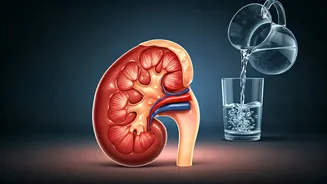
For individuals with normal kidney function, moderate consumption of whey protein is typically considered safe, provided total protein intake remains within recommended dietary guidelines. The primary concerns emerge when whey protein is used without proper oversight. Many individuals consume multiple servings daily, often in addition to protein-rich meals, inadvertently pushing their total protein intake far beyond their body's actual requirements. This excess can be particularly problematic for those with undiagnosed early-stage kidney disease, potentially accelerating damage. Furthermore, heightened protein intake necessitates increased water consumption, as the kidneys require more fluid to efficiently flush out nitrogenous waste. Inadequate hydration during high protein intake can therefore stress kidney function. Additionally, some protein powders may contain undesirable additives like sugars, artificial ingredients, or even contaminants if sourced from less reputable manufacturers.
Risks of Self-Supplementation
A significant issue surrounding whey protein isn't the supplement itself, but rather its often haphazard usage. Many people commence protein powder supplementation based on recommendations from gym trainers, social media trends, or marketing claims, bypassing professional dietary advice. This frequently results in consuming supplements even when their regular diet already adequately covers their protein needs. For sedentary or moderately active individuals, sufficient protein can be easily obtained from whole food sources like legumes, eggs, dairy products, nuts, tofu, fish, and lean meats. Specific groups should exercise extreme caution and seek medical counsel before using whey protein. This includes individuals with chronic kidney disease, diabetes, hypertension, a family history of kidney disorders, or those already adhering to a high-protein diet. Consultation with a doctor or registered dietitian is crucial for these individuals.
When Whey is Needed
Protein supplements like whey typically serve a purpose for specific populations. This includes patients recovering from illness or surgery who need to rebuild tissue, older adults experiencing age-related muscle loss, and individuals who genuinely struggle to meet their protein requirements through diet alone. In these particular scenarios, whey protein can function as a convenient dietary aid rather than a substitute for a balanced eating plan. Ultimately, supplements should always complement, not replace, a healthy and varied diet. A holistic approach prioritizing whole foods, adequate hydration, and consistent physical activity remains far more impactful for overall well-being than an over-reliance on protein powders.