



Ancient Roots Uncovered
The story of the samosa begins far from India, in the arid landscapes of Central Asia and the Middle East. Here, an ancestor of the modern samosa, known
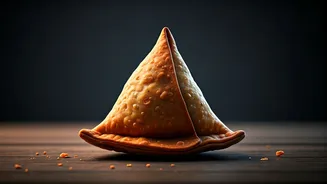
as 'sambusak' or 'sanbosag,' emerged as a practical food for nomadic peoples and travelers. These early iterations were typically smaller pastries, often encasing savory meat fillings, designed for portability and longevity during long journeys across vast trade routes. Their compact nature made them ideal sustenance for those on the move, a culinary innovation born out of necessity and the demands of a life lived on the road. This foundational concept of a portable, filled pastry laid the groundwork for its future adaptations and widespread adoption.
Gateway to India
Centuries ago, around the 13th and 14th centuries, this convenient culinary creation began its westward migration, eventually reaching the vibrant tapestry of the Indian subcontinent. Its arrival was facilitated by the constant flow of traders, merchants, and travelers traversing the ancient Persia and Central Asia trade routes. These individuals brought with them not only goods but also their culinary traditions. Historical accounts from the era of the Delhi Sultanate provide intriguing glimpses into this period, mentioning stuffed and fried pastries being presented and enjoyed within the opulent settings of royal courts. This suggests the samosa, in its early Indianized form, was initially a delicacy savored by the elite before its culinary influence began to permeate broader society.
Royal Indulgence Evolved
Within the precincts of medieval Indian royal courts, the samosa-like delicacies evolved into a symbol of culinary sophistication. Court records from these times paint a picture of finely crafted pastries, ingeniously stuffed with a rich medley of ingredients. These fillings often featured finely minced meats, complemented by the crunch of nuts and an aromatic blend of carefully selected spices, all encased in a crisp, fried exterior. This elaborate preparation and the use of premium ingredients positioned the samosa as a luxury item, a testament to the culinary artistry of the time and a delight reserved for the nobility. It was a dish that spoke of status and refined taste, far removed from its humble origins as a traveler's provision.
The Indian Transformation
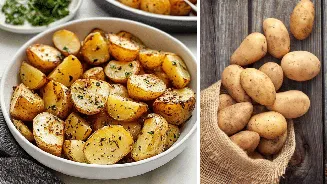
As the samosa navigated its way through India's diverse culinary landscape, it underwent a profound and delicious metamorphosis. Local cooks, inspired by the existing form but driven by regional tastes and available ingredients, began to reimagine the pastry. The most significant adaptation came with the introduction of the potato. Following the arrival of potatoes in India, brought by Portuguese traders, Indian chefs ingeniously incorporated this versatile vegetable into the samosa filling. This innovation was revolutionary, transforming the snack into the widely recognized vegetarian iteration that would become immensely popular. The fusion of traditional pastry techniques with local produce and flavors cemented the samosa's place in Indian cuisine.
Street Food Sensation
By the 19th and early 20th centuries, the samosa had successfully transcended its royal and elite associations to become an integral part of India's burgeoning street food culture. Its affordability, satisfying nature, and relative ease of preparation in large batches made it an ideal offering for street vendors. It quickly became a ubiquitous and cherished accompaniment to the afternoon cup of tea (chai), a comforting and flavorful snack that fueled daily life across the nation. Served alongside an array of vibrant and tangy chutneys, the samosa offered a perfect balance of textures and tastes, solidifying its status as an everyday culinary delight for people from all walks of life.
Global Culinary Star
Today, the samosa stands as a testament to its remarkable adaptability and enduring appeal, having conquered palates across the globe. Its journey has resulted in a dazzling array of variations, each reflecting local preferences and culinary creativity. From the classic Punjabi aloo samosa bursting with spiced potatoes to innovative versions featuring minced meat (keema), cheese, and even fusion fillings, the samosa continues to evolve. Found everywhere from bustling international street stalls and family kitchens to esteemed restaurant menus, this humble pastry has firmly established itself as a universally loved comfort food and a celebrated symbol of Indian culinary influence worldwide.