




From Routine to Responsive
For years, the office meal in India was a predictable affair, either packed from home, sourced from local providers, or chosen from a standard cafeteria
menu. This routine, while functional, often lacked excitement. However, a quiet revolution is underway as Artificial Intelligence begins to permeate workplace dining. This isn't merely a technological addition; it's fundamentally reshaping the entire process of food planning, preparation, and the overall experience of eating during the workday. The traditional one-size-fits-all approach to office lunches is rapidly giving way to intelligent systems. These modern cafeterias are becoming akin to responsive ecosystems, capable of adapting in real-time to the diverse preferences of employees, their consumption habits, and even the inevitable rush during peak lunch hours. Experts highlight that this AI integration allows for more accurate demand prediction, enabling kitchens to prepare optimal food quantities and significantly curb unnecessary waste, while simultaneously improving service efficiency during busy periods—a welcome change for everyone.
Personalized Meal Choices
The concept of a rigid, predetermined lunch is quickly becoming obsolete. AI is instrumental in transforming office meals into vibrant, multi-cuisine experiences that mirror the flexibility of external food ordering. By analyzing individual eating habits, dietary trends, and evolving preferences across different cuisines and times of the day, AI enables a move away from generic offerings towards highly personalized menus. This empowers employees with greater autonomy, allowing them to select meals that cater to their immediate cravings, dietary goals, or simply their mood, all while maintaining the swift and consistent service essential in a fast-paced work environment.
Data-Driven Kitchen Operations
Behind the scenes, AI's influence extends far beyond simple meal suggestions; it's fundamentally re-engineering kitchen operational strategies. Workplace dining is increasingly becoming a data-centric domain, with AI-powered systems providing real-time intelligence on demand fluctuations, peak consumption periods, and evolving taste preferences. This data empowers food service providers with smarter production planning and more refined menu optimization. The ultimate objective is to consistently serve the correct dish at the opportune moment each day, achieved without the inefficiencies of overproduction or the frustration of service delays.
Impactful Workplace Benefits
While the introduction of AI in office cafeterias might initially seem like an incidental upgrade, its ramifications are considerably more profound. Key benefits include a substantial reduction in food waste due to precise preparation, enhanced nutritional alignment with individual preferences, faster service leading to shorter queues during peak hours, and a greater variety of cuisines and options available within the same workspace. In a nation where addressing food waste and boosting workplace productivity are critical national priorities, this AI-driven shift in office dining holds particularly significant relevance and potential.
The Evolving Lunch Experience
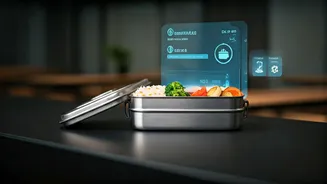
The once-humble office dabba is evolving beyond mere sustenance; it's transforming into a comprehensive experience curated by data, sophisticated technology, and individual choice. While these changes might appear subtle at present, they are diligently constructing the foundation for a future where lunchtime meals possess an almost uncanny understanding of employee preferences, akin to the familiarity of a beloved food delivery application. In this era of pervasive AI, even the simple act of taking a lunch break at 1 pm is becoming notably more intelligent and personalized.