







A Deep Dive
Seaweed bathing, also known as Thalassotherapy – derived from the Greek word 'thalassa' for sea – stands as a testament to enduring wellness traditions
that have resisted the passage of time. This practice involves immersing oneself in warm water infused with the natural goodness of seaweed, a ritual deeply embedded in the coastal heritage of regions like Ireland and across Europe. It artfully combines the restorative power of nature with the tranquil experience of relaxation, all while celebrating the rich tapestry of seaside culture. Even today, it continues to offer a distinctive spa encounter, firmly anchored in time-honored maritime customs that have been passed down through generations, offering a unique connection to the ocean's bounty.
Coastal Roots
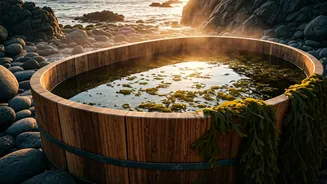
The origins of seaweed bathing are deeply intertwined with the rugged Atlantic coastline of Ireland. This practice gained significant traction during the 19th century, a period when coastal bathhouses began to emerge as popular destinations. These establishments specifically catered to fishermen and visitors who sought solace and invigoration after arduous days spent navigating the sea. The heated seaweed baths became a cherished amenity, providing a natural and soothing remedy that blended the therapeutic properties of the ocean with much-needed rest, cementing its place as a beloved seaside tradition that continues to resonate.
The Bathing Process
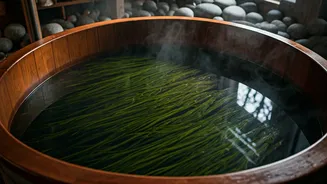
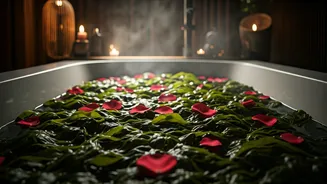
The experience of a seaweed bath is quite straightforward, yet profoundly effective. Freshly gathered or carefully dried seaweed is introduced into a tub of hot water. As the heat penetrates, the seaweed begins to soften and expand, releasing its inherent minerals and nutrients into the water. Bathers typically immerse themselves for a duration of 20 to 30 minutes. During this time, the buoyant seaweed floats gently around, creating an immersive, ocean-like atmosphere that promotes deep relaxation and a sense of calm, truly embodying the essence of a seaside escape in every sense of the word.
Seaweed Varieties
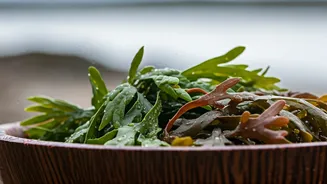
The efficacy of seaweed baths is largely attributed to the specific types of seaweed utilized, primarily focusing on brown varieties such as Bladderwrack and Knotted Wrack. These particular seaweeds possess remarkable properties that enhance the bathing experience significantly. Upon contact with warm water, they gracefully expand, exuding a wealth of natural oils and essential minerals into the bath. This infusion transforms the water, imparting a distinctively silky and luxurious texture that soothes the skin and revitalizes the senses, making each soak a rich, therapeutic encounter with marine life.
Victorian Popularity
Seaweed bathing experienced a surge in popularity during the Victorian era, coinciding with a burgeoning trend in coastal tourism. As seaside towns grew in appeal, specialized bathhouses began to flourish. These establishments offered visitors the novel experience of therapeutic seaweed baths, often taken after a refreshing dip in the ocean. This practice became a fashionable spa treatment, appealing to those seeking both the invigorating effects of sea air and the soothing, restorative benefits of a warm, mineral-rich seaweed soak, solidifying its status as a desirable Victorian indulgence.
Modern Revival
In contemporary times, seaweed bathing is enjoying a significant revival, driven by a growing interest in natural wellness and ocean-based therapies. Today, numerous modern spas are reinterpreting this centuries-old practice, incorporating its principles into their treatment menus. This renewed appreciation for its health benefits and unique relaxation qualities has made it a sought-after experience for travelers and wellness enthusiasts alike, seeking authentic and rejuvenating encounters that connect them with the natural world and its therapeutic potential.