




The Majestic Indian Gaur
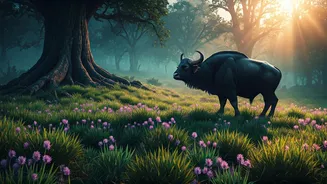
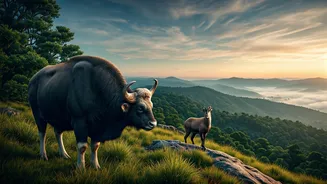
The Indian Gaur, also known as the Indian bison, stands as the world's largest wild bovine, a truly awe-inspiring sight in the Nilgiri landscape. Classified
as vulnerable, these magnificent creatures are a common, though still special, presence in the region's open woodlands and verdant meadows. Their sheer size and power are remarkable, yet they often exhibit a shy demeanor, preferring to graze peacefully in the quiet clearings. Observing a herd of gaurs moving through their natural habitat is a powerful reminder of the wild beauty that the Nilgiris protect, emphasizing the importance of preserving these expansive grazing grounds and the forests that offer them sanctuary.
Elusive Indian Pangolin
The Indian Pangolin is a creature shrouded in mystery, largely due to its strictly nocturnal habits and solitary lifestyle. This unique insectivore is unfortunately also the most trafficked mammal globally, facing immense pressure from illegal wildlife trade. Its body is covered in tough, protective scales, giving it an almost prehistoric appearance. Spotting an Indian Pangolin is an exceedingly rare event for most, adding to its allure. Their existence is a poignant symbol of the silent struggles faced by many species in the face of human exploitation, underscoring the urgent need for robust anti-poaching measures and habitat protection.
The Regal Lion-Tailed Macaque
With its striking silver-white mane framing an expressive face, the Lion-tailed Macaque is a truly distinctive primate. These macaques are arboreal, spending most of their lives high in the rainforest canopy. Their survival is intrinsically linked to the health of undisturbed forests, which are unfortunately becoming increasingly fragmented. This habitat loss poses a significant threat to their populations, leading to a continued decline. Their presence signifies the ecological integrity of the dense rainforests, and their dwindling numbers serve as a stark warning about the consequences of deforestation on specialized forest dwellers.
Endangered Nilgiri Laughingthrush
Known locally as the Nilgiri Sholakili, this endangered bird is an endemic resident exclusively found within the unique shola forests of the Western Ghats. Its highly restricted geographical range, coupled with ongoing habitat degradation, makes conservation initiatives within the Nilgiris absolutely critical for its continued existence. The specific ecological niche occupied by the shola forests, a mosaic of high-altitude grasslands and dense evergreen patches, provides the exact conditions this bird needs to thrive. Protecting these specialized ecosystems is paramount to securing the future of this beautiful and rare avian species.
The Stealthy Nilgiri Marten
As India's sole species of marten, the Nilgiri Marten is an exceptionally elusive carnivore, rarely glimpsed by humans. It prefers the dense, humid embrace of evergreen forests, where its stealthy movements allow it to navigate its environment with unparalleled skill. This mammal plays a crucial role in maintaining the delicate balance of its forest ecosystem, acting as a predator that helps regulate populations of smaller animals. Its secretive nature and preference for undisturbed, mature forests highlight the importance of preserving these pristine woodland environments for its survival and the health of the broader ecological community.
The Resilient Nilgiri Tahr
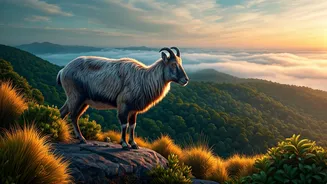
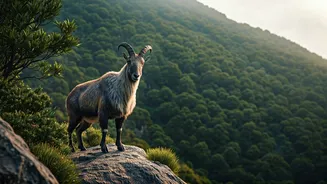
The Nilgiri Tahr is an endangered mountain ungulate, a true icon of the high-altitude grasslands that characterize the Western Ghats. Easily recognizable by its distinctive curved horns and its incredible agility on precipitous cliffs, this species is a flagship for conservation in the Nilgiri region. These animals are perfectly adapted to their rugged, exposed habitat, where they graze and find refuge from predators. Their ability to thrive in such challenging terrain, combined with their vulnerable status, makes them a symbol of the fragile beauty and resilience of the mountain ecosystems they inhabit.