

The Power of Indian Salads
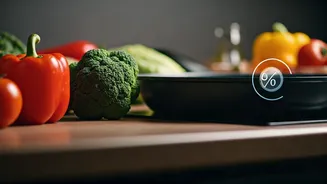
Healthy Indian salads offer a gateway to exceptional well-being, brimming with an array of vitamins like A and B-complex, alongside essential minerals
such as iron and calcium. These dishes are a powerhouse of fiber, crucial for sustained energy and digestive health. With over 137 vegetarian recipes available, these salads are designed to cater to diverse needs, including weight management, cardiovascular support, and simply providing a nutritious meal option. Ingredients like matki, mung beans, fresh vegetables, and fruits are commonly used, transforming simple produce into culinary delights. Many are designed for minimal to no cooking, making them ideal for busy lifestyles. The emphasis is on taste and nutrition, ensuring that healthy eating is both enjoyable and convenient.
Crafting Healthy, Flavorful Dressings
A common pitfall in salad preparation is the overuse of heavy, cream-based dressings that can negate the health benefits of the ingredients. The key to a truly healthy salad lies in the dressing. Instead of relying on fattening sauces, focus on creating vibrant, low-calorie options. This can involve using tangy lemon juice, black salt, and a hint of spices like red chili and coriander powder, perhaps with a touch of olive oil for healthy fats. Another excellent approach is to incorporate low-fat curd dressings, delicately flavored with herbs like basil and spices such as mustard powder. These light, flavorful dressings enhance the salad's taste without adding unnecessary calories or unhealthy fats, ensuring the salad remains a beneficial addition to your diet.
Low-Calorie Salad Sensations
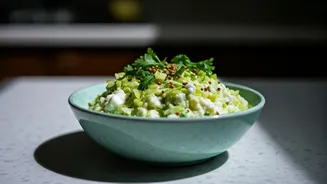
Achieving a low-calorie, low-fat salad is an art of smart ingredient swaps and clever flavor combinations using herbs and spices. For instance, a simple cabbage salad can be transformed into a delightful dish with a tangy dressing made from black salt, lemon juice, and a blend of red chili and coriander powder, subtly enhanced with olive oil and asafoetida. The dressing is then generously poured over finely chopped cabbage mixed with green chilies and fresh coriander, creating a refreshing and guilt-free meal. Similarly, a Cucumber Capsicum and Celery Salad, paired with a low-fat curd dressing infused with basil and mustard powder, offers a nourishing option. These salads, rich in fiber from the vegetables and fruits, are excellent as a pre-meal course to promote satiety and prevent overeating during subsequent courses.
Nutrient-Rich Kachumber and Fruit Delights
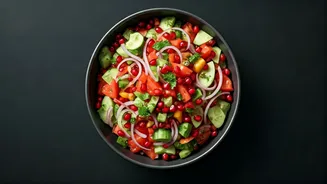
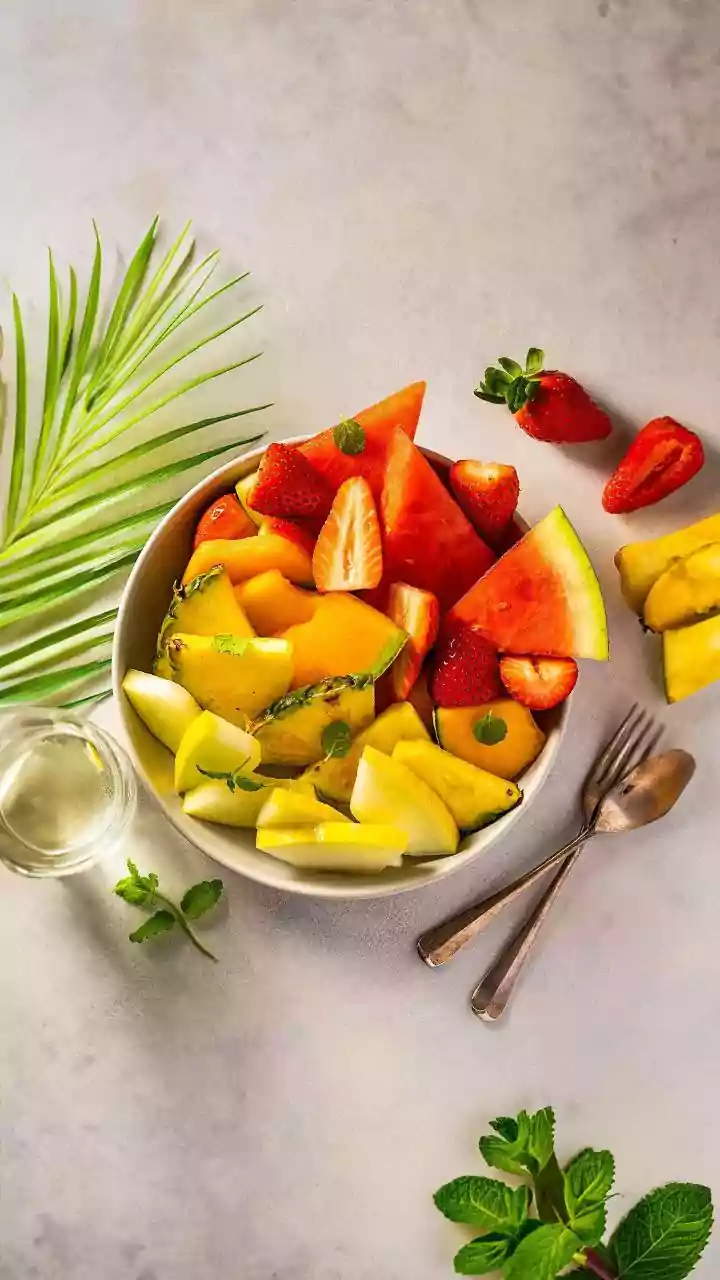
Traditional Indian Kachumber salads are a testament to the power of simple, spiced vegetables. A Cabbage and Carrot Kachumber, for example, is not only enticing to Indian palates with its blend of spices but also highly beneficial for individuals managing obesity, heart conditions, or diabetes. This salad, with its low calorie count and high fiber content, aids in sustained fullness. The vegetables, including cabbage, carrots, and lemons, are packed with antioxidants like Vitamin A, Vitamin C, flavonoids, and anthocyanins, which combat harmful free radicals in the body, thereby reducing the risk of infections and inflammation often associated with processed food consumption. Furthermore, combining vegetables with fruits, like in a Minty Apple Salad, offers a sweet yet healthy alternative. Apples, known for their high fiber content, are beneficial for weight management and help control sugar and cholesterol levels, while also promoting gut health and preventing constipation. Watermelon, another fruit salad star, is low in calories, high in water, and contains citrulline, which supports heart function and provides Vitamin C and A for antioxidant benefits.
Powering Up with High-Protein Salads
Elevate your meals with high-protein Indian vegetarian salads, designed to be both delicious and highly nourishing. These protein-rich options utilize ingredients like paneer, chickpeas, sprouts, and lentils to provide sustained energy and support muscle repair. Beyond protein, they deliver essential fiber, iron, calcium, and various vitamins, contributing to overall wellness. Whether you're aiming for weight management, fueling post-workout recovery, or seeking diabetic-friendly choices, these salads are an excellent addition. Examples include the Paneer aur Hare Chane ka Salad, offering a significant boost of calcium and protein, and Mixed Sprouts Salad, which combines the benefits of various sprouts for enhanced fiber and protein content. These salads are perfect for making a healthy meal both satisfying and exceptionally nutritious.
Spotlight on Sprouts and Legumes
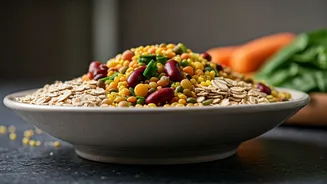
Sprouts are a nutritional powerhouse, and their inclusion in salads significantly enhances their health benefits. Sprouting increases the digestibility and availability of proteins, making them easier for the body to absorb. A serving of moong sprouts alone is remarkably rich, providing substantial amounts of folic acid, fiber, protein, Vitamin B2, calcium, iron, magnesium, and phosphorus. Chickpeas, or kabuli chana, are another nutrient-dense legume, abundant in iron, protein, and folic acid. Curds can be added to chickpea salads to boost protein and calcium, while herbs like coriander and mint enhance Vitamin A content. Mixed sprouts salads, combining various types of sprouts, offer an even broader spectrum of nutrients and are particularly beneficial for managing blood sugar and cholesterol levels. Ingredients like radish and tomatoes further contribute antioxidants and essential vitamins, supporting overall bodily health.