






The Gut-Brain Connection
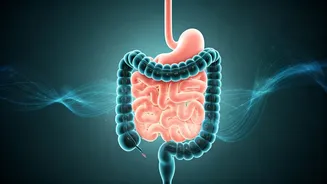
Our digestive system and brain are in constant dialogue, a complex communication pathway known as the gut-brain axis. When we encounter stress, our body
enters a 'fight or flight' response, triggering the release of hormones like cortisol and adrenaline. While beneficial for acute situations, prolonged exposure to these stress hormones significantly disrupts digestive functions. This can manifest in several ways: essential blood flow is diverted away from digestive organs, the movement of food through the intestines (motility) slows down or becomes erratic, leading to discomfort like heaviness and cramps, and the gut lining can become hypersensitive, amplifying pain signals. Furthermore, chronic stress can compromise the integrity of the intestinal barrier, leading to increased permeability, often termed 'leaky gut'. This condition allows toxins to enter the bloodstream, potentially exacerbating issues such as Irritable Bowel Syndrome (IBS) and gastritis. A healthy gut microbiome, crucial for a robust defense, is also negatively affected by chronic stress, creating an environment where harmful bacteria can proliferate, leading to gut dysbiosis.
Calming the Gut, Calming the Mind
In today's fast-paced world, characterized by demanding work schedules and irregular eating patterns, it's imperative to integrate intentional recovery practices to counteract the detrimental effects of stress on our gut health. Blending time-tested Indian traditions with contemporary medical insights offers a potent approach. Engaging in practices like yoga and pranayama, specifically using poses such as Pawanmuktasana (wind-relieving pose) and incorporating deep breathing exercises, can effectively activate the parasympathetic nervous system. This system is responsible for promoting the 'rest and digest' state, which is crucial for optimal digestion. The ancient practice of mindful eating, which involves consuming meals in silence or consciously avoiding digital distractions, helps the brain focus its attention on the digestive process, enhancing nutrient absorption and signaling satiety more accurately. Regular breaks from digital devices are also vital; in our digitally saturated urban environments, these pauses can significantly reduce mental fatigue, a major contributor to systemic stress. Equally important is emotional support; nurturing social connections and seeking professional counseling when facing significant emotional pressure can provide a buffer against the physiological repercussions of stress.
Foundational Pillars for Digestion
To prevent the pervasive effects of stress from escalating into chronic health issues, adopting a set of foundational pillars tailored to the Indian lifestyle is highly recommended. Embracing fermented foods is a cornerstone; incorporating daily servings of dahi (curd), chaas (buttermilk), or the batter used for idli and dosa can introduce beneficial probiotics that bolster gut health. A fiber-rich diet is equally vital, with a focus on millets like ragi, jowar, and bajra, alongside lentils (dal), to nourish the beneficial bacteria residing in the gut. Prioritizing quality sleep, aiming for 7-8 hours per night, is essential for the gut lining to repair and regenerate itself. Simultaneously, it’s crucial to consciously avoid common triggers that can negatively impact digestive function. This includes limiting alcohol consumption, avoiding nicotine, and steering clear of ultra-processed foods, particularly those made with refined flours and mass-produced snacks, which often lack nutritional value and can disrupt the gut ecosystem.
Daily Gut Health Rituals
To actively manage gut health and mitigate the impact of daily stressors, implementing a structured yet simple routine can make a significant difference. Starting the day with warm water or ginger tea can gently stimulate the digestive system. Mid-day, ensuring at least one serving of homemade curd or buttermilk helps maintain a healthy balance of gut bacteria. During mealtimes, dedicating a minimum of 15 minutes to eating without any screen distractions allows the body to focus fully on digestion, leading to better nutrient assimilation and reduced discomfort. In the evening, a short walk or performing vajrasana (thunderbolt pose) after meals can aid in food motility and ease digestion. Crucially, maintaining a consistent sleep schedule each night is vital for rebalancing the gut microbiome and promoting overall bodily repair processes. These small, consistent actions form a powerful defense against the cumulative effects of stress on your digestive system.