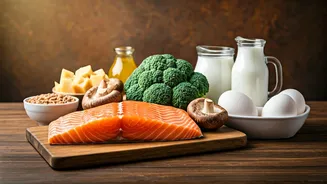







B12: A Critical Nutrient
Vitamin B12, often referred to as cobalamin, is an indispensable nutrient vital for many bodily functions. It supports the health of nerve and blood cells
and is essential for making DNA, the genetic material in all cells. It also helps prevent megaloblastic anemia, a blood condition that makes people tired and weak. Vitamin B12 plays an important role in the overall wellbeing of an individual. People sometimes turn to biryani as a source of B12, but the robotic GI surgeon's remarks clarify that this isn’t a reliable source. The need for B12 can be fulfilled using other sources to maintain good health and prevent any health related issues. It is necessary to understand the important role of B12 for the human body.
Vegetarian B12 Sources
For vegetarians, the challenge of obtaining sufficient B12 is real because it is primarily found in animal products. Fortified foods and supplements step in as essential solutions. These foods are enriched with added vitamins, providing a consistent source of B12. Common fortified options include plant-based milk alternatives like soy, almond, or oat milk, breakfast cereals, and nutritional yeast. Supplements offer another avenue. They come in different forms such as capsules, tablets, or injections, allowing for easy consumption. The availability of fortified foods and supplements offers vegetarians various ways to consume the necessary amount of Vitamin B12. This makes it easier for vegetarians to manage their diets and make sure that they are getting sufficient B12.
Fortified Foods Explained
Fortification, the process of adding micronutrients to food, significantly enhances the dietary value, particularly for those with dietary restrictions. The focus with Vitamin B12 is to ensure that vegetarians and vegans are not deficient in this vital nutrient. Several foods are commonly fortified with B12, like plant-based milks, which provide a convenient way to integrate B12 into one's daily intake. Breakfast cereals are another common source, where the fortification levels are carefully managed to meet nutritional needs. Nutritional yeast, used often in vegetarian and vegan cooking, is also frequently fortified. By being mindful and aware of what foods contain B12, one can effortlessly integrate B12 into their diet.
Supplements: A Closer Look
Vitamin B12 supplements provide a direct route to meet the body's needs. They come in several forms: capsules, tablets, sublingual tablets (that dissolve under the tongue), and even injections for those with severe deficiencies or absorption issues. The right dosage varies depending on the individual's needs, often advised by a healthcare professional. Supplements are helpful for those at risk of B12 deficiency such as older adults, vegetarians, and those with digestive issues. People may choose to take supplements for convenience, especially when it comes to following specific dietary restrictions. Regular consumption of supplements can ensure that the body is consistently supplied with the required B12 levels. However, it's wise to consult a healthcare provider for the most appropriate advice tailored to individual circumstances.