

Rajma's Gas Thirst
Rajma, a beloved North Indian classic, is a significant contributor to LPG consumption due to the inherent toughness of kidney beans. Even after an overnight
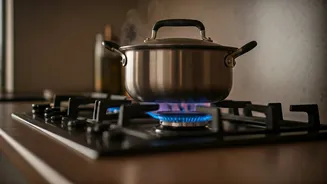
soak, these legumes require extensive pressure cooking to become tender. Many recipes further necessitate prolonged simmering of the gravy to achieve a desired rich consistency and depth of flavor. This extended stovetop time directly translates to a higher expenditure of cooking gas, making it a dish that demands careful consideration for fuel efficiency. The multiple stages of cooking, from initial pressure application to final flavor development, all contribute to its impact on your LPG cylinder's lifespan.
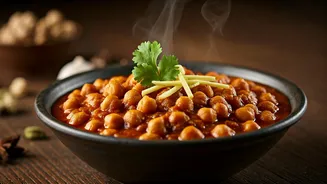
Chole's Long Simmer
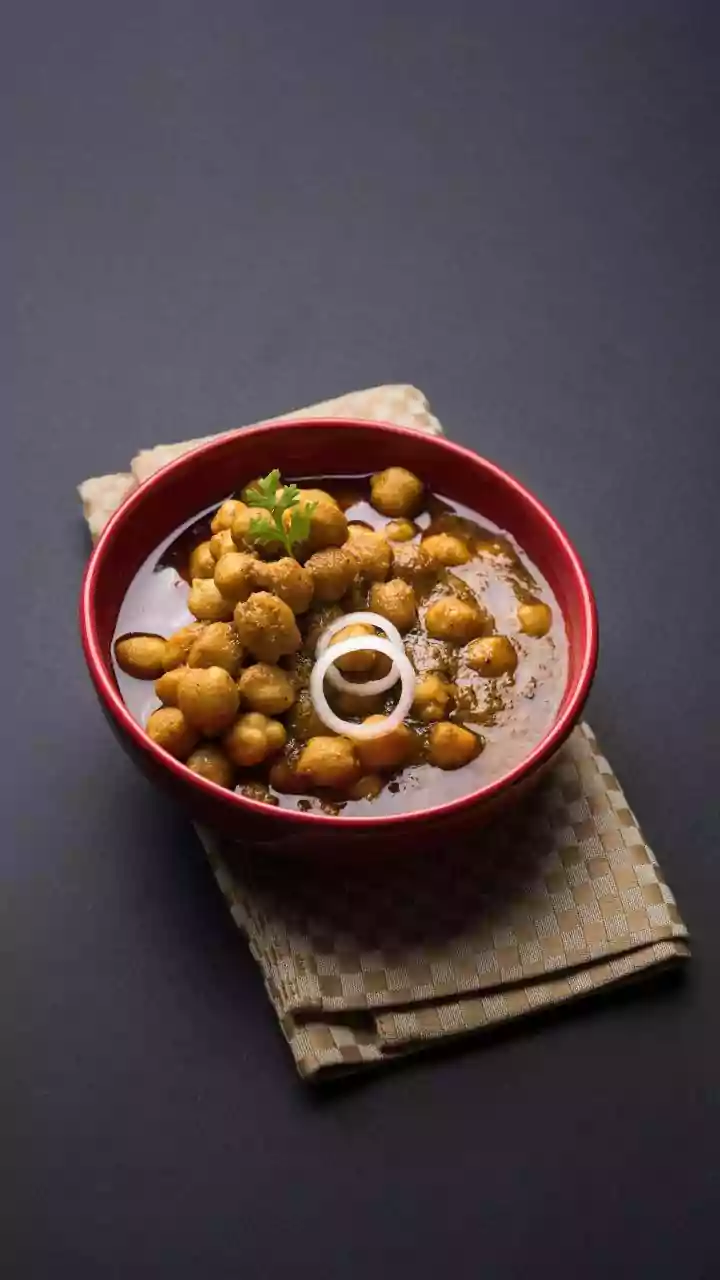
Similar to rajma, chole (chickpea curry) also demands a considerable amount of cooking time, leading to increased gas usage. Chickpeas, like kidney beans, require thorough soaking to reduce their cooking duration. Post-pressure cooking, the process often involves a slow-cooked base, where spices are gently simmered with other ingredients to create a robust and complex flavor profile. This deliberate, extended low-heat cooking keeps the burner active for extended periods. Consequently, the overall time spent on the stove escalates, directly impacting how quickly your LPG cylinder is depleted. The pursuit of that authentic, deep chole taste inherently involves more fuel.
Dal Makhani's Creamy Drain
The allure of Dal Makhani lies in its velvety smooth texture and slow-cooked essence, both of which contribute to its high LPG demand. Preparing this dish traditionally involves cooking whole black lentils (urad dal) and kidney beans for an extended duration. Even after the initial pressure cooking phase, the dal is typically left to simmer on a low flame for a significant period. This unhurried simmering allows the flavors to meld beautifully, resulting in its signature taste. However, this prolonged cooking process, essential for achieving the perfect creamy consistency and flavor infusion, significantly boosts the consumption of cooking gas. The patience required for dal makhani's preparation is mirrored in its fuel expenditure.
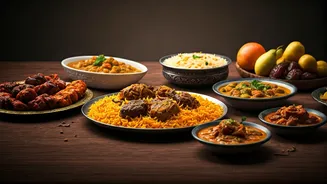
Biryani's Multi-Stage Cook
Biryani's elaborate preparation method makes it another dish that significantly drains your LPG cylinder. The cooking process is not a single event but a series of distinct stages. Initially, the rice is partially cooked. Simultaneously, the meat or vegetable components are prepared separately, often involving their own cooking processes. The final stage involves layering these components and then employing the 'dum' method, where the dish is sealed and cooked slowly over low heat. This sequential and layered cooking approach, spread across multiple steps, collectively increases the overall gas consumption. Each phase requires dedicated heat application, making biryani a fuel-intensive culinary endeavor.
Jalebi's Frying Frenzy
Deep-fried delicacies, such as the ever-popular jalebi, also contribute substantially to LPG usage. The fundamental aspect of frying involves maintaining a consistently heated oil temperature for an extended duration. Crafting jalebis necessitates keeping the oil hot to fry multiple batches of batter. Furthermore, the preparation of the accompanying sugar syrup, which often requires simmering, adds to the overall cooking time. The continuous operation of the stove for both frying and syrup preparation means that your gas burner remains active for prolonged periods, leading to a noticeable increase in fuel consumption. The joy of these sweet treats comes with a higher LPG cost.