



The Deceptive Allure
The joy of a cool, juicy watermelon on a sweltering day is undeniable, and its high water content makes it a fantastic hydrator. However, a growing concern
for consumers is the prevalence of artificially enhanced watermelons on the market. These fruits, often injected with chemicals to boost their vibrant red color and sweetness, can look appealing but be bland and potentially harmful. Buyers are frequently duped by the bright exterior, leading them to purchase adulterated produce without realizing the risks involved. It's crucial to be aware that not all red watermelons are naturally so, and understanding how to distinguish between genuine and treated fruits is becoming increasingly important for health-conscious shoppers.
Unveiling the Chemical Trick
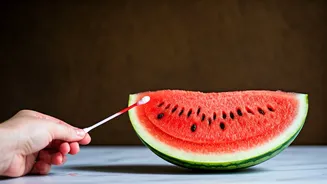
A common chemical used to create a false sense of ripeness and appeal in watermelons is Erythrosine, also known as Red-B dye. This artificial coloring can make an otherwise pale or unripe watermelon appear vividly red, misleading consumers. To combat this deception, the Food Safety and Standards Authority of India (FSSAI) has promoted a straightforward method to detect such adulteration. The test involves cutting the watermelon in half and gently rubbing a small piece of cotton on the freshly exposed pulp. If the cotton remains clean, it signifies a naturally ripened fruit. Conversely, if the cotton picks up a red hue, it's a strong indicator of artificial coloring and chemical treatment, suggesting the watermelon is not safe for consumption. Ingesting such treated fruits can lead to immediate issues like stomach upset, vomiting, diarrhea, and throat irritation, with potential for more severe long-term health consequences.
Choosing Wisely in the Market
Beyond the cotton test, several other visual and tactile cues can help you select a genuine, unadulterated watermelon. First, consider its weight; a ripe watermelon should feel considerably heavy for its size, indicating good water content. Next, tap the fruit. A ripe melon will produce a deep, resonant, hollow sound, much like a drum. Pay close attention to the 'field spot,' the area where the watermelon rested on the ground. This spot should be a creamy yellow or a light orange color, signifying it ripened fully on the vine. A white or pale green spot suggests it was harvested too early. Finally, opt for fruits with a symmetrical shape, avoiding any with unusual bumps or irregular contours. By employing these practical tips, you can significantly increase your chances of bringing home a delicious and safe watermelon to enjoy.