





Protective Eyewear First
The foremost requirement for safely observing the total solar eclipse is appropriate eye protection. Ordinary sunglasses are wholly inadequate; looking
directly at the sun, even when mostly covered by the moon, can cause severe and permanent eye damage. The only exception is during the brief period of totality, when the sun is entirely blocked by the moon. For all other phases of the eclipse, you must use ISO 12312-2 certified eclipse glasses or viewers. Verify that the glasses meet the current safety standards. If you opt for a solar viewer, it should be in good condition. Inspect for scratches or damage before use. Ensure children are supervised when they're using eclipse glasses. They must be instructed on the importance of not removing them at any time during the partial phases of the eclipse. Always remember, protecting your eyes is paramount when witnessing this extraordinary celestial event.
Camera & Lens Options
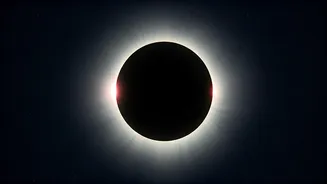
Photographing a solar eclipse presents a unique challenge, necessitating the right equipment to capture the stunning display. The most crucial item is a solar filter for your camera lens. Like your eyes, your camera's sensor can be damaged by direct sunlight. A solar filter blocks the harmful rays. The type of filter will depend on your camera setup. For DSLRs or mirrorless cameras, a dedicated solar filter that fits the lens is ideal. If you're using a smartphone, specialized solar filters for phone cameras are available. When shooting, use a tripod for stability. Use a remote shutter release or the camera's self-timer to avoid camera shake. A telephoto lens will bring the eclipse closer. Experiment with different settings. A lower ISO setting will reduce noise. If you're photographing the eclipse during totality, remove the solar filter. This brief period of total darkness reveals the sun's corona, and is the most spectacular part of the event.
Binoculars & Telescopes
Enhance your eclipse viewing experience with binoculars or a telescope. These instruments provide a closer, more detailed view of the sun during the eclipse. Like cameras, binoculars and telescopes must be fitted with solar filters. Never look directly at the sun through these devices without a solar filter. There are several types of solar filters available for telescopes, including filters that attach to the objective lens. For binoculars, there are also solar filters that fit over the eyepieces. Choose filters that are designed to fit your specific equipment. When viewing, mount your binoculars or telescope on a tripod for stability. This minimizes the shaking, and provides a clear view. Make sure you and those around you know how to safely use the equipment before the eclipse. This precaution will add to the overall enjoyment of the event.
Location, Location, Location
One of the most crucial elements of eclipse preparation is selecting a suitable viewing location. While the total solar eclipse is an awe-inspiring event, the path of totality is limited. This is the only place where you can experience the complete obscuration of the sun. The 2026 eclipse path will cross several areas. Plan your trip well in advance. Check weather forecasts, as clear skies are essential for viewing. Look for a location with an unobstructed view of the sky. Consider factors like elevation, distance from any potential sources of light pollution. Make sure you have travel arrangements in place. Book accommodations and transportation well in advance. Consider the local time changes for all areas. Arrive at your chosen spot early to set up and avoid any last-minute rush. Preparing with the right location boosts the likelihood of witnessing the eclipse.
Extra Essentials
Besides the primary viewing equipment, several additional items can significantly improve your eclipse experience. A comfortable chair and a blanket will allow you to relax and enjoy the event. Pack food and water to stay hydrated. The event can last a few hours, and you will need sustenance. Consider a portable power bank to charge your phone or camera. This will ensure you don't miss capturing any moments. Bring sunscreen, a hat, and sunglasses to protect yourself from the sun. Despite the eclipse, sunlight will be present during the partial phases. Bring a first-aid kit, containing any necessary medications or supplies, just in case. Finally, bring a notebook and a pen to record any observations. It helps to document the whole experience. These practical items contribute to making the event a safe, enjoyable, and memorable one.
Pre-Eclipse Practice
Before the day of the eclipse, there are several actions you can take to make the most of the event. First, familiarize yourself with your equipment. Practice using your eclipse glasses, camera, binoculars, or telescope. Get accustomed to their operation. Practice using solar filters with your camera. Locate the sun safely in advance. Study the eclipse's schedule for your specific location. Note the times of the partial phases, the start of totality, and the end of totality. Learn the expected appearance of the eclipse at various stages. Practice the correct way to wear the eclipse glasses. Ensure you know how to remove them only during totality. Get familiar with the path of the eclipse. Use online resources to find the exact timing and the visibility forecasts. By being prepared, you can fully embrace the experience. This will increase your enjoyment of the event.
Understanding Totality
Totality is the most exciting and awe-inspiring phase of a total solar eclipse. It occurs when the moon entirely covers the sun's disk, revealing the sun's corona. During totality, the sky darkens dramatically. Stars and planets become visible. Birds may even cease their singing, and temperatures can drop. The length of totality varies depending on the location and the specific eclipse. It typically lasts for a few minutes. Safety precautions are relaxed during totality. You can safely remove your eclipse glasses or view the eclipse directly. Do not remove the protective eyewear before or after totality. It's crucial to know the precise timing of totality for your location. The moment is fleeting. Be ready to observe and be amazed by the stunning display. Once totality ends, the sun gradually re-emerges. Ensure you immediately put your eclipse glasses back on. This is critical for eye protection.