





The Curious Experiment
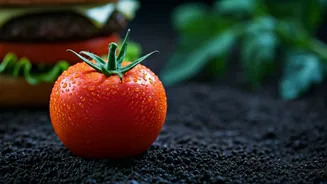
Driven by sheer curiosity, a content creator embarked on a unique gardening challenge: to cultivate tomato plants using seeds sourced directly from McDonald's
Quarter Pounder burgers. The initial idea was to test the viability of these seeds, which are typically from hybrid varieties engineered for consistency in fast-food production rather than for home gardening purposes. The experiment involved two distinct methods of planting the tomato components from the burgers. In one approach, seeds were meticulously extracted from a tomato slice and then sown into soil. For the second method, an entire slice of tomato, complete with seeds, was planted directly into the soil. Both sets of plantings began their journey indoors, housed in small containers, to monitor for any initial signs of germination and growth, setting the stage for a fascinating horticultural adventure that would unfold over several months.
Germination and Growth
The results of the initial planting stages were surprisingly swift and promising. Within a mere few days, both methods of planting – whether seeds alone or the entire tomato slice – exhibited early signs of successful germination, indicating that the seeds were indeed viable. Following approximately three weeks of indoor nurturing, the developing seedlings were ready for a change of environment and were transplanted outdoors. One of the young plants was carefully moved into the ground to grow directly in the soil, while the other was placed in a separate container. This transition marked the beginning of a more extended growth period, spanning over 120 days. Throughout this phase, the plants faced fluctuating conditions, including periods of inconsistent watering, especially during exceptionally hot weather. The plant cultivated in the container demonstrated an earlier fruiting pattern, a phenomenon attributed by the gardener to environmental stress. Conversely, the plant established in the ground followed a more deliberate and steady developmental trajectory, progressing at a slower but consistent pace.
Abundant Harvest Yield
As the experiment progressed beyond the 90-day mark, the gardener began to witness the fruits of their labor. By approximately day 94, the initial harvesting of tomatoes commenced from both plants. The plant that had been grown directly in the ground showcased an extraordinary yield, producing a remarkable abundance of tomatoes, far exceeding initial expectations. The gardener expressed astonishment at the sheer volume of fruit, noting that while they anticipated growth, the prolific nature of the yield was unprecedented in their gardening experience. They remarked on never having previously encountered a single tomato plant bearing such an immense quantity of fruit. The container-grown plant also contributed to the harvest, albeit with slightly smaller tomatoes, which were observed to ripen a bit sooner than those from the ground-planted specimen, a difference again linked to the varied growing conditions and potential stress factors.
Taste and Seed Characteristics
Upon harvesting, a thorough taste test was conducted to evaluate the flavor profile of the tomatoes. The gardener described the resulting produce as having a mild and subtly sweet taste, characterized by a notably low level of acidity. This mild sweetness, devoid of sharp acidic notes, made the tomatoes particularly easy to consume in larger quantities. The smaller tomatoes that emerged from the container-grown plant were noted to possess a slightly more pronounced sweetness compared to their larger counterparts. Regarding the seeds themselves, the gardener pointed out that tomatoes commonly used in fast-food establishments are often hybrid varieties. These hybrids are typically developed for attributes like resilience and uniformity, which can mean that seeds saved from them may not consistently produce offspring identical to the parent plant – they might not 'breed true.' Despite this potential for variation, the experiment clearly demonstrated that these seeds could still yield a productive and flavorful crop, even if the exact characteristics might differ from conventional heirloom varieties.