







Beyond the Fad
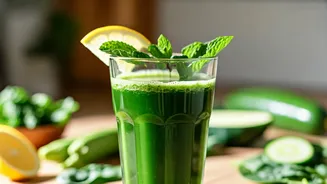
Green juice has surged in popularity, often associated with detoxes and fasting, dividing opinions. While not a miracle cure, it offers tangible benefits
when integrated thoughtfully into a healthy lifestyle, not as a sole replacement for whole foods or a nutritional crutch. Framing it as a concentrated nutrient boost rather than a diet overhaul is key to unlocking its potential. The focus shifts from restrictive cleansing to proactive nutritional enhancement, complementing a diet rich in whole foods for sustained well-being.
Nutrient Powerhouse
Instead of relying on juice as a meal replacement, which can lead to blood sugar spikes due to fiber removal, view it as a potent nutrient delivery system. A well-prepared green juice is naturally lower in sugar and packed with easily absorbable vitamins, minerals, and phytonutrients. Considering that a significant portion of the population falls short on daily vegetable intake, green juice offers an effortless method to increase vegetable consumption without the effort of extensive chewing. Furthermore, the electrolytes like potassium and magnesium present in these juices aid in cellular hydration, making them more effective than plain water for some individuals, by facilitating fluid uptake into cells.
Juice vs. Smoothie
While smoothies, combining fruits, vegetables, protein, and fats, offer a filling and blood sugar-stabilizing meal, sometimes a lighter option is preferred. Juicing, by extracting most insoluble fiber, allows for rapid nutrient absorption without the heaviness of a blended drink. This makes juicing an excellent choice for those with low appetite, recovering from illness, or simply seeking a quick nutrient lift. Neither juicing nor blending is inherently superior; they serve different purposes. Smoothies provide completeness and satiety, while juices offer concentrated nourishment and ease of digestion, providing flexibility in nutritional strategies.
Cellular Hydration Explained
True hydration goes beyond simply drinking water; it involves mineral balance at the cellular level. Electrolytes such as potassium and sodium, abundant in vegetables like celery and cucumber, are crucial for proper fluid distribution within the body, nerve function, and muscle activity. When mineral levels are adequate, water is utilized more effectively by cells. Fluids containing these natural minerals are retained better than plain water, particularly during physical exertion or periods of stress. Green juice, therefore, serves as a valuable complement to water intake, aiding in efficient cellular hydration, especially for those who find it challenging to stay adequately hydrated throughout the day.
Key Ingredient Benefits
The chosen ingredients in green juice are selected for their synergistic nutritional contributions, emphasizing vegetables and low-sugar fruits. Celery, rich in water, potassium, and sodium, is a hydration champion and offers antioxidant flavonoids with anti-inflammatory properties, alongside vitamins A, C, K, calcium, and iron. Cucumbers, with over 95% water content, provide essential potassium and vitamin K, plus antioxidants like cucurbitacins, known for anti-inflammatory and potential anticancer effects. Green apples add a touch of sweetness with less sugar than other varieties, contributing polyphenols like quercetin for immune support and cardiovascular health. Kale is a nutrient-dense choice, providing vitamins A, C, K, folate, and manganese, and is lower in oxalates than spinach or Swiss chard.
Flavor and Function
Lemon juice introduces vitamin C for immune support and collagen synthesis, while also enhancing mineral absorption and stimulating digestion, lending a refreshing zest. Ginger, a well-known digestive aid, offers potent anti-inflammatory and antioxidant compounds, capable of calming nausea and promoting smoother digestion with a pleasant warmth. Parsley, often overlooked, is a nutritional powerhouse, rich in vitamins C and K and chlorophyll, supporting immune function and detoxification, with compounds like apigenin known for cell protection. Optional coconut water can be added for an extra electrolyte boost, providing potassium, magnesium, and sodium to enhance hydration without added sugars, ensuring it's unsweetened.
Oxalate Considerations
Oxalates are naturally occurring compounds in many plants, but their impact is nuanced. Only a small percentage is absorbed, typically 2-5%, though this can increase on an empty stomach or in large liquid doses. While excess oxalates can be a concern for kidney health in susceptible individuals, it's important to note that about 80% of oxalates are endogenously produced. This is why kale, being lower in oxalates and containing calcium, is often preferred over spinach in green juices. Calcium binds to oxalates, potentially reducing their absorption, making kale a more favorable choice for a wider audience.
Ideal Green Juice Drinkers
Green juice can be particularly beneficial for individuals facing specific dietary challenges or seeking enhanced wellness. It's an excellent option for those who struggle to consume adequate amounts of vegetables in their daily meals. People experiencing low appetite or finding it difficult to digest larger meals can benefit from this easily consumable nutrient source. It also serves as a valuable tool for enhancing overall hydration and electrolyte balance, especially for athletes or those in warm climates. Furthermore, it functions perfectly as a light, nutrient-dense snack between meals or as a targeted nutritional boost to support overall health goals.