





Mission's Core Purpose
The Artemis 2 mission represents a crucial step in NASA's renewed focus on lunar exploration. Set to launch with astronauts on board, the mission's main
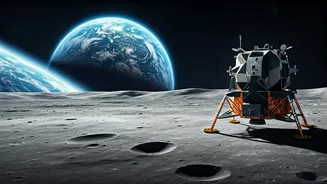
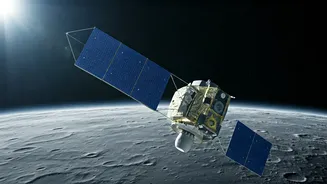
objective is to orbit the Moon. This ambitious endeavor will test the capabilities of the Orion spacecraft and the Space Launch System (SLS) rocket in a real-world environment. The successful completion of this mission will validate the essential systems needed to transport humans to and from the Moon, paving the way for future lunar landings. The overarching goal is not just a flyby, but to ensure the readiness of all the required technologies, from life support systems to communication networks, that are crucial for enabling sustainable lunar presence and, ultimately, human missions to Mars.
Astronauts Prepare Diligently
Preparing for the Artemis 2 mission involves extensive training for the astronauts. These astronauts undergo rigorous simulations, practicing various scenarios they might encounter during their lunar journey. This preparation incorporates both simulated launch and orbit conditions and also includes emergency procedures. The training covers all aspects of the mission, from operating the spacecraft to conducting scientific experiments. Rehearsals are crucial for the crew to develop their skills and their ability to work as a team. Moreover, this intensive training aims to provide astronauts with the confidence and knowledge needed to handle any unforeseen circumstances that may arise during their mission to the Moon and back, keeping in mind the safety of the crew.
Rocket and Spacecraft
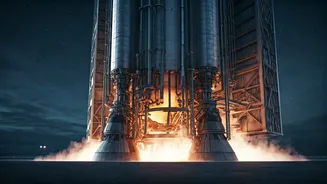
The Space Launch System (SLS) rocket, which will be used for the Artemis 2 mission, is the most powerful rocket ever built by NASA. The Orion spacecraft, designed to transport astronauts, is the vehicle of choice for the lunar journey. NASA is diligently preparing the rocket, aiming for a January 17th rollout for the Artemis 2 moon mission. The SLS rocket is scheduled to launch, propelling the Orion spacecraft into space, which will then embark on its orbit around the Moon. The success of the mission hinges on the seamless integration and functionality of both the rocket and the spacecraft, each playing a critical role in this historical lunar expedition.
Mission's Anticipated Timeline
The anticipation around the Artemis 2 mission is building rapidly, with the potential launch being just about a month away. The exact timeline is subject to various factors, including final preparations, weather conditions, and systems checks. Once the rocket is rolled out, there will be a series of tests and reviews to ensure the hardware's readiness. The launch date is crucial, signifying a monumental step in space exploration. The world is keenly watching this mission, hoping to witness the success of the mission and the dawn of a new era of lunar and interplanetary exploration.
Future Lunar Goals
Artemis 2 is pivotal to NASA's broader goals for lunar exploration. The mission is designed to set the stage for subsequent missions, including the Artemis 3, which aims to land astronauts on the Moon. Subsequent missions will focus on establishing a sustained human presence on the Moon and conducting various scientific research activities. The ultimate aim is to use the Moon as a base for future expeditions to Mars. A fully functional, sustained lunar presence is regarded as essential for the training and refinement of technologies, as well as the testing of systems required for human exploration of the Red Planet. This long-term vision positions the Artemis program as a key player in shaping the future of space exploration.
Technological Advancements
NASA continues to invest in innovative technologies to improve the Artemis missions. This includes developing advanced life support systems, enhancing communication networks, and creating more effective space suits. NASA also actively funds projects for developing new technologies to support future missions. The Artemis program serves as a critical testbed, where new technologies are tested and refined in a challenging environment. The progress in these fields will increase the safety and the efficiency of space exploration, including the possibility of uncovering signs of life beyond Earth. The aim is to create sustainable, innovative solutions for future missions.