





Diet Culture's Reign Ends
For nearly two decades, a rigid paradigm dictated how Indian women approached food: a strict equation of calories consumed versus calories expended. This
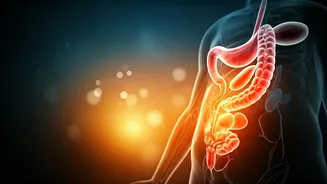
led to generations of women viewing smaller rotis, skipped rice portions, and guilt around festive indulgences like ghee as the norm. Hunger itself was often perceived as a personal failing. However, this era of restrictive eating is quietly giving way to a more enlightened perspective. A glance at the online conversations of urban Indian women aged 25 to 45 reveals a significant vocabulary shift. The once-celebrated 1,200-calorie day has been replaced by discussions around crucial biological factors such as cortisol levels, the luteal phase of the menstrual cycle, insulin resistance, the gut microbiome, and the practice of cycle syncing. The aspirational image is no longer the impossibly thin film heroine, but rather a woman who has successfully restored her menstrual cycle, overcome conditions like PCOS, and can enjoy carbohydrates without debilitating anxiety.
Understanding Female Physiology
A pivotal realization driving this transformation is the understanding that much of traditional diet culture was inadvertently designed around male physiology and then broadly applied to women. Men typically operate on a 24-hour hormonal cycle, whereas women's bodies are governed by a more complex, approximately 28-30 day cycle. Insisting that women adhere to the same eating patterns daily fundamentally disregards their unique biological rhythms. Hunger experienced during the luteal phase, for instance, is not an indicator of a lack of discipline, but rather a natural hormonal fluctuation. Similarly, cravings should be interpreted as important bodily signals rather than moral shortcomings. This deeper understanding empowers women to listen to their bodies rather than fighting against them.
Hormone-First Nutrition
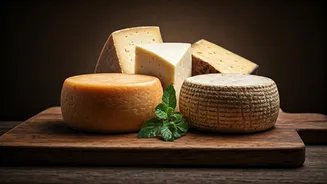
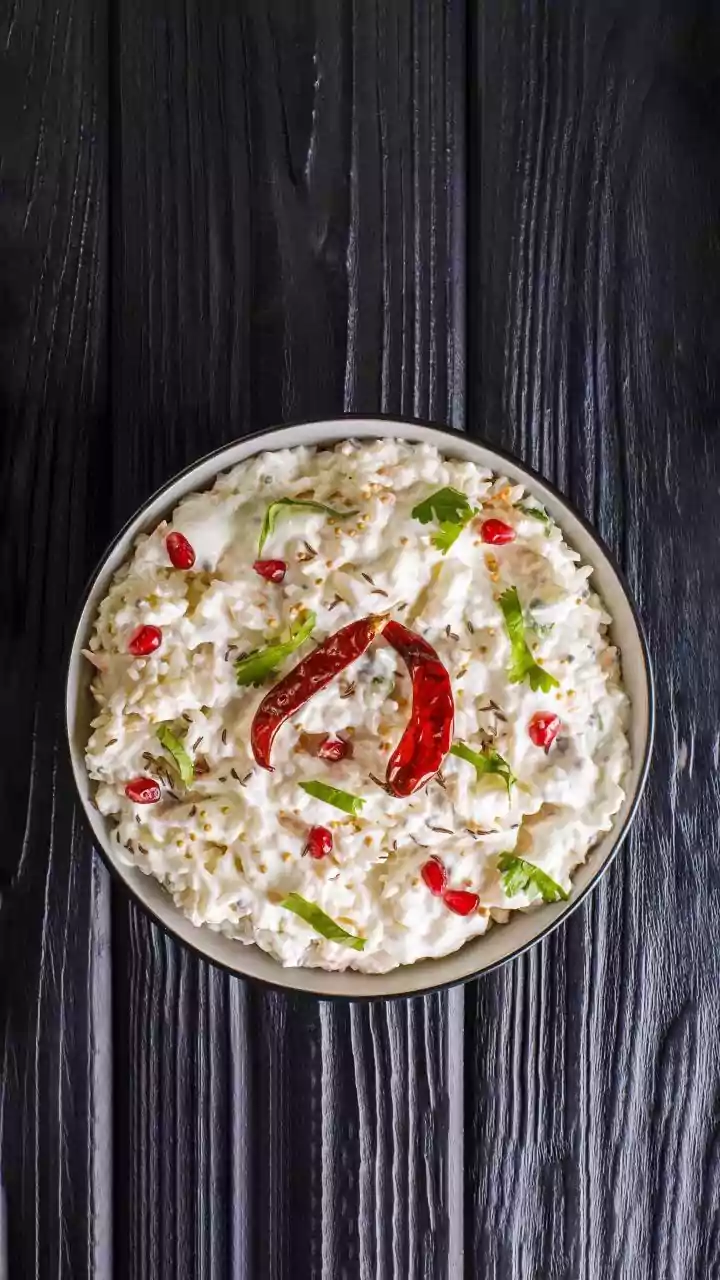
Given that nearly one in five Indian women of reproductive age struggle with Polycystic Ovary Syndrome (PCOS), the conventional "eat less, move more" advice has often proven detrimental, contributing to disrupted metabolisms, irregular cycles, and chronic fatigue. In response, a new paradigm is emerging that champions hormonal health above restrictive eating. Women are increasingly adopting "hormone-first nutrition," which involves reincorporating nutrient-dense foods that were previously demonized. This includes embracing beneficial fats like ghee, the nutritional richness of egg yolks, ensuring balanced protein intake at breakfast, enjoying dark chocolate in moderation, and rediscovering the health benefits of traditional Indian meals. These foods, when consumed mindfully, support hormonal balance and overall vitality.
Redefining Health Metrics
The very definition of health is also undergoing a significant evolution. No longer is the number on the weighing scale the sole or even primary indicator of well-being. Instead, tangible signs of vitality are taking center stage. These include the regularity of menstrual cycles, the clarity and health of one's skin, sustained energy levels throughout the day, improved sleep quality, and a greater sense of emotional equilibrium. These indicators reflect a more holistic and sustainable state of health than weight alone. This shift signifies a profound change in how Indian women are choosing to define and pursue well-being, ultimately embracing a more fulfilling and nourished existence.