







Pet's Well-being First
Before embarking on any travel plans, it's crucial to prioritize your pet's comfort and temperament. Not all animals thrive in new environments; some experience
significant stress or anxiety. Consulting with your veterinarian is paramount. They can offer expert advice on your pet's health, suitability for travel, and any specific needs they might have, particularly for senior pets or those with existing medical conditions. This proactive approach ensures that travel is a positive experience, rather than a source of distress, for your animal companion, setting the stage for a successful and enjoyable outing.
Choosing Transport Wisely
Selecting the most suitable mode of transport is key to a smooth pet-friendly journey. Road trips generally offer greater flexibility, allowing for frequent stops to accommodate your pet's needs and ensuring they remain close to you throughout the drive. For those considering air travel, it's essential to be aware that each airline enforces its own distinct regulations regarding pet carriers, dimensions, and necessary vaccinations. Thoroughly investigating these requirements and making reservations well in advance is strongly advised to avoid any last-minute complications or unexpected hurdles during your flight preparations.
Finding Pet-Friendly Stays
Securing accommodation that genuinely welcomes pets requires diligent research, as many establishments have undisclosed size or breed restrictions. It is imperative to confirm the specific pet policy of any hotel or rental property you consider, paying close attention to any associated fees or surcharges. Beyond lodging, assess the overall pet-friendliness of your intended destination. Investigate the availability of suitable walking paths, hiking trails, parks, and even cafes that cater to pet owners. This comprehensive evaluation ensures that both your accommodation and the location itself are conducive to a comfortable and enjoyable stay for your animal companion.
Packing Essential Supplies
Assembling a comprehensive travel kit for your pet is a critical step in ensuring their comfort and security. This should include ample food, palatable treats, any necessary medications, a reliable leash and collar, portable bowls for water and food, and their favorite bedding or blanket. Incorporating familiar items from home can significantly reduce your pet's anxiety in unfamiliar surroundings, helping them feel more secure. Additionally, always carry essential documentation such as vaccination records or health certificates, as these may be required by airlines, accommodations, or even border control when traveling to different regions.
Pre-Trip Preparations
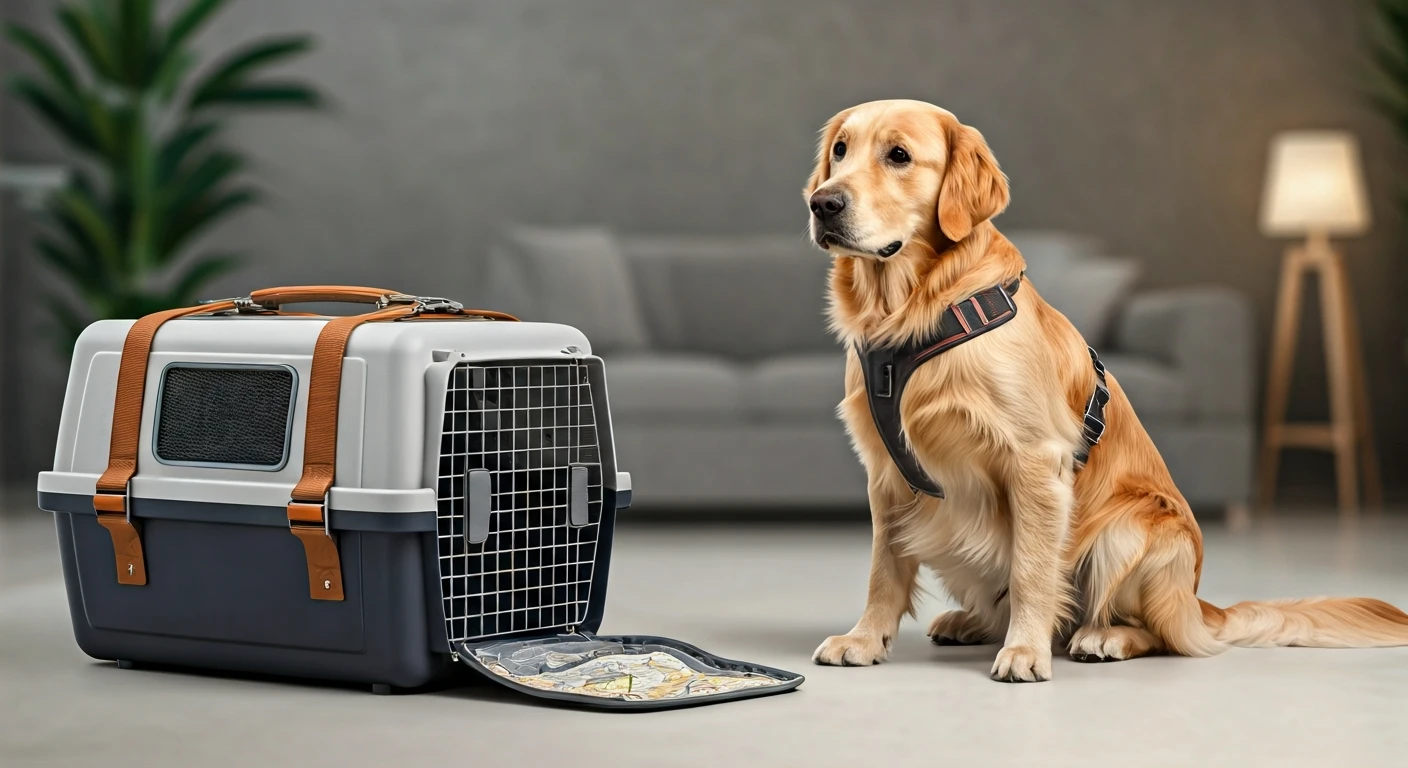
Proactive preparation is vital for a successful pet travel experience. Schedule a pre-travel visit to your veterinarian to ensure all vaccinations are up-to-date, obtain any necessary health certificates, and discuss strategies for managing potential travel-related anxiety or motion sickness. If you plan to use a carrier during your trip, begin familiarizing your pet with it at home well in advance. This allows the carrier to become a comfortable and safe space, rather than a source of apprehension, when it's time for travel. Gradual introduction will make the carrier a positive association.
Flexibility and Patience
Even with the most meticulous planning, unforeseen circumstances can arise during travel, such as unexpected traffic delays, adverse weather conditions, or your pet experiencing discomfort. It's essential to build flexibility into your itinerary by planning for frequent breaks and always monitoring your pet's behavior and well-being. Be prepared to adjust your plans as needed to ensure their comfort. Maintaining a calm and adaptable attitude is key to minimizing stress for both you and your pet, ultimately allowing for a more enjoyable and memorable journey.