



Getting to Glacier Bay
Reaching the largely roadless Glacier Bay National Park involves traveling over water or by air, as it's situated west of Juneau, encircled by water, imposing
glaciers, and the Fairweather Range. During the summer months, the Alaska Marine Highway provides a ferry service that connects Juneau to Gustavus, a town located just outside the park's perimeter. These ferry rides typically last between four to six hours and operate two to three times weekly. For a quicker and more convenient journey, flights from Juneau International Airport (JNU) to the compact Gustavus Airport (GST) are available, with flights taking a mere 20 to 40 minutes. Major airlines like Alaska Airlines and Delta offer regular flights throughout the summer season, and local lodges often provide shuttle services from Gustavus Airport to assist visitors with their onward travel.
Planning Your Visit
To fully enjoy Glacier Bay's offerings, it's crucial to plan ahead, as accommodations and activities are primarily available from Memorial Day through Labor Day weekends and tend to book up months in advance. Many visitors aim to make their reservations by January or February, especially if their travel dates are fixed. The heart of park activities and lodging is concentrated at Bartlett Cove, home to the Glacier Bay Lodge. Alternatively, staying in Gustavus provides a more tranquil experience and convenient shuttle access to Bartlett Cove for park activities. It is advisable to allocate at least three days for your visit to thoroughly experience the park's highlights, while also factoring in potential weather delays due to rain or fog. Importantly, no passes are required for entry into Glacier Bay National Park, simplifying the initial access for all visitors.
Optimal Time to Visit
The ideal period for visiting Glacier Bay National Park is generally in June. During this month, the weather conditions are typically the most agreeable, contributing to a pleasant visitor experience. The skies teem with migrating birds, filling the air with their melodious songs, while the landscape around Bartlett Cove comes alive with vibrant wildflower blooms, adding splashes of color to the scenery. However, visitors should be aware that mosquitoes can persist into July, and the likelihood of rain and fog increases as August approaches. Regardless of when you choose to visit, it is always prudent to pack a reliable rain jacket to be prepared for any sudden weather changes that may occur in this dynamic Alaskan environment.
Essential Experiences
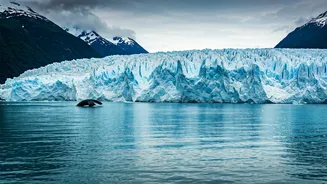
No trip to Glacier Bay National Park is complete without embarking on a dedicated day tour, typically aboard a catamaran departing from Bartlett Cove. These extensive eight-hour excursions offer unparalleled opportunities to observe diverse wildlife, including humpback whales, grizzlies, and bald eagles, against the backdrop of the immense Margerie and Grand Pacific glaciers, which dramatically rise 245 feet from the water's surface. The park is also steeped in the rich history of the Huna Łingít people, who have inhabited the region for millennia. Visitors can immerse themselves in this cultural heritage at the Huna Tribal House, or Xunaa Shuká Hít, located a short walk from Glacier Bay Lodge. This striking building, which opened in 2016, features traditional formline artwork, a central fire pit for warmth, and engaging short films detailing the past and present of the Huna Łingít community. Kayaking on the pristine waters of Glacier Bay presents another incredible way to connect with nature. Guided tours and rentals are available from both Alaska Discovery in Gustavus and Glacier Bay Lodge in Bartlett Cove, offering paddlers a chance to encounter a variety of wildlife such as bears, sea otters, mountain goats, moose, sea lions, harbor seals, bald eagles, and the majestic humpback whales.
Exploring Hiking Trails
While Glacier Bay National Park is not renowned for extensive hiking networks, several trails surround the Glacier Bay Lodge, though not all are actively maintained. It's crucial for hikers to be aware that they are traversing bear and moose habitat, making it essential to carry bear spray. The Forest Trail is a popular roughly one-mile loop that commences near Glacier Bay Lodge. This path meanders through a dense forest of spruce and hemlock trees before descending to the peaceful shoreline of Bartlett Cove. It's worth noting that moose frequently visit ponds located along the forested section of this trail, offering a potential viewing opportunity. The first half-mile of the Forest Trail is conveniently constructed as a wheelchair-accessible boardwalk, making it accessible to a wider range of visitors. For those seeking a longer trek, the Bartlett Cove shoreline offers an informal, albeit unmarked and unmaintained, path that stretches for approximately six miles towards Point Gustavus. This extended route provides chances to spot bears relaxing near the shore, observe songbirds in late May and June, and witness humpback whales feeding just offshore.
Accommodation Options
Glacier Bay National Park offers a few distinct lodging experiences to suit different preferences. The primary accommodation within the park is the Glacier Bay Lodge, nestled amidst a serene Sitka spruce forest. This lodge features approximately 50 simply furnished, wood-paneled rooms, with some deluxe options providing picturesque views of Bartlett Cove. The lodge also houses a visitor center on its second floor, which provides comprehensive information about the park's wildlife, indigenous cultures, and natural history. For those seeking a more rustic experience, the free Bartlett Cove Campground is conveniently located a short walk from Glacier Bay Lodge. This is the park's only developed campground and offers essential amenities such as bear-proof storage boxes, composting toilets, and a communal fire pit situated on the beach. Advance reservations are required for all campers. Outside the park boundaries, the town of Gustavus provides a range of additional lodging choices, including bed-and-breakfasts, hotels, cottages, and cabins. Among these is the Bear Track Inn, a luxurious 14-room lodge meticulously constructed almost entirely from Alaskan Sitka spruce. From its outdoor decks, guests can often observe grizzlies foraging in the adjacent mudflats and moose occasionally wandering onto the property. The inn boasts a culinary experience with meals prepared by three on-site chefs, frequently featuring fresh salmon and Dungeness crab. Furthermore, the Bear Track Inn collaborates with local outfitters to arrange fishing trips, private boat tours, and other excursions, and it offers a shuttle service to various trailheads around Gustavus and Glacier Bay Lodge, enhancing visitor convenience.